Get your free personalized podcast brief
We scan new podcasts and send you the top 5 insights daily.
AI tools are raising the baseline quality of design, making a "7 out of 10" experience nearly free to produce. Stripe sees this not as a call to do more, but to reallocate saved time toward creating exceptionally crafted, "15 out of 10" moments that truly differentiate the product.

Related Insights
As AI makes it easy to generate 'good enough' software, a functional product is no longer a moat. The new advantage is creating an experience so delightful that users prefer it over a custom-built alternative. This makes design the primary driver of value, setting premium software apart from the infinitely generated.

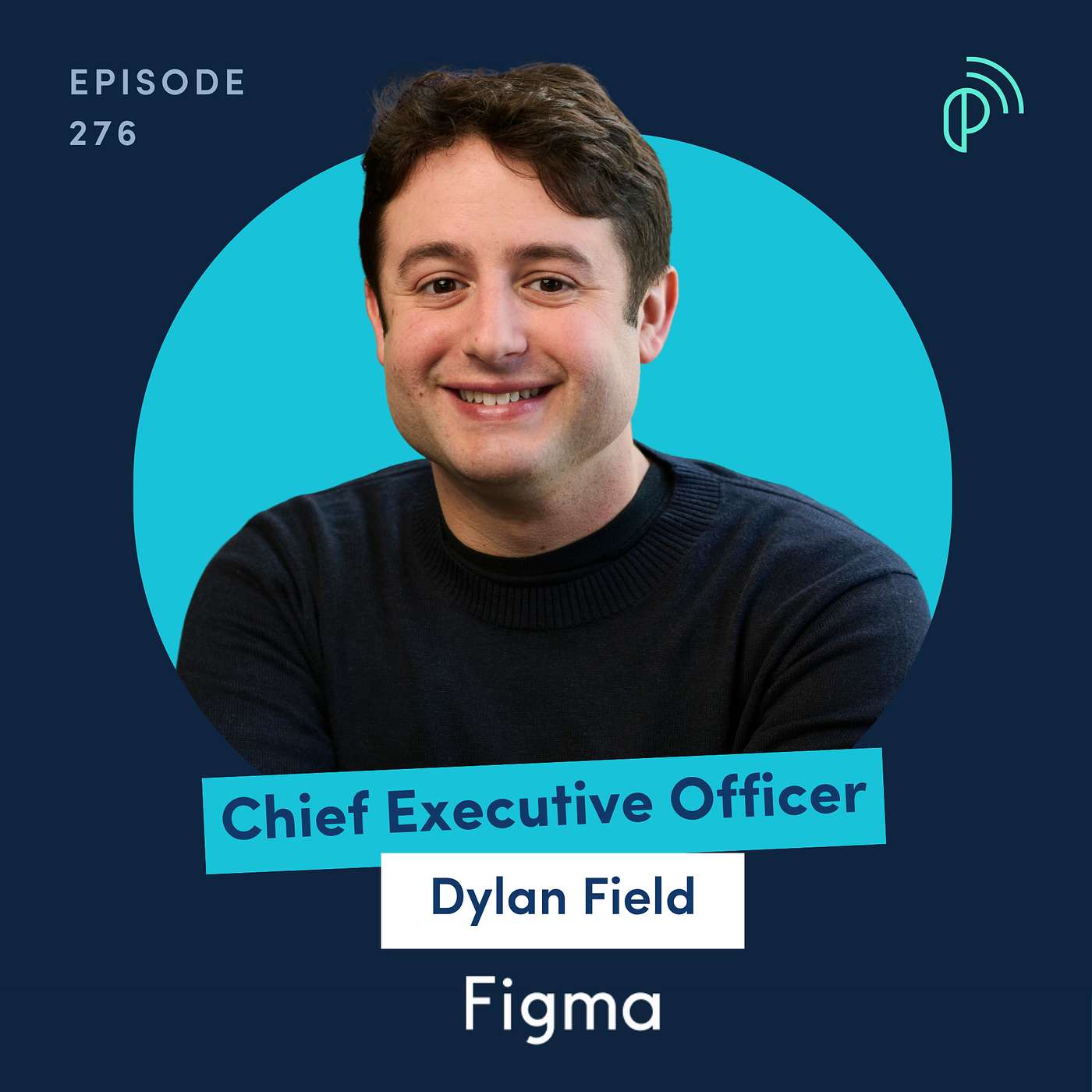
Figma CEO Dylan Field argues that while AI can quickly generate "good enough" results, this baseline is no longer sufficient. As AI floods the market with generic software and designs, true differentiation will come from human-led craft, taste, and pushing beyond the initial AI output.
As AI accelerates software development, basic functionality becomes table stakes. Figma's CEO contends that differentiation and winning now depend entirely on design, craft, and a strong point of view, as 'good enough' products will no longer succeed.
AI tools are dramatically lowering the cost of implementation and "rote building." The value shifts, making the most expensive and critical part of product creation the design phase: deeply understanding the user pain point, exercising good judgment, and having product taste.

By handling repetitive production work, AI gives designers bandwidth to focus on high-impact, creative problems. This includes innovating on previously overlooked details like loading states, which have new importance in AI-driven products for building user trust.

Instead of fearing AI, design engineers should leverage it to automate boilerplate and foundational code. This frees up mental energy and time to focus on what truly matters: crafting the nuanced, high-quality interactions and animations that differentiate a product and require human creativity.

For creative work like design, AI's true value isn't just accelerating tasks. It's enabling designers to explore a much wider option space, test more possibilities, and apply more craft to the final choice. Since design is non-deterministic, AI serves creative exploration more than simple speed.

As AI lowers the barrier to creating functional software, "good enough" products become mediocre. To stand out, companies must differentiate through superior design, craft, brand, and storytelling, moving the competitive battleground "up the stack" to more subjective, human-centric values.
The era of winning with merely functional software is over. As technology, especially AI, makes baseline functionality easier to build, the key differentiator becomes design excellence and superior craft. Mediocre, 'good enough' products will lose to those that are exceptionally well-designed.

With AI empowering anyone to be a '7/10 designer,' professionals must add value at the extremes. They should move 'down the stack' to perfect design systems that elevate everyone's baseline, and 'up the stack' to craft exceptional, rule-breaking experiences for critical user journeys that AI cannot replicate.