Get your free personalized podcast brief
We scan new podcasts and send you the top 5 insights daily.
Pincus looks for an energetic signal in founders he calls 'swagger,' which comes from knowing their product is winning. This authentic confidence, born from undeniable traction, is a more reliable indicator than a specific personality type or a faked persona.

Related Insights
Investors are often more compelled by a founder's palpable confidence and unique understanding of a market than by the product itself. During a pitch, radiating a deep belief in a "secret" insight about your users demonstrates a level of conviction that can be more persuasive than any metric.

Gary Vaynerchuk's investment thesis centers on a founder's character, specifically their resilience. He looks for founders who, when metaphorically "punched in the face," will get back up and fight even harder, seeing this as the key indicator of massive success.

When meeting Cursor's founder, the investor felt an "electric energy" even as the founder was pivoting away from his original idea. This highlights that for elite early-stage investors, the founder's intrinsic drive and potential are the constant to bet on, as ideas will inevitably change.
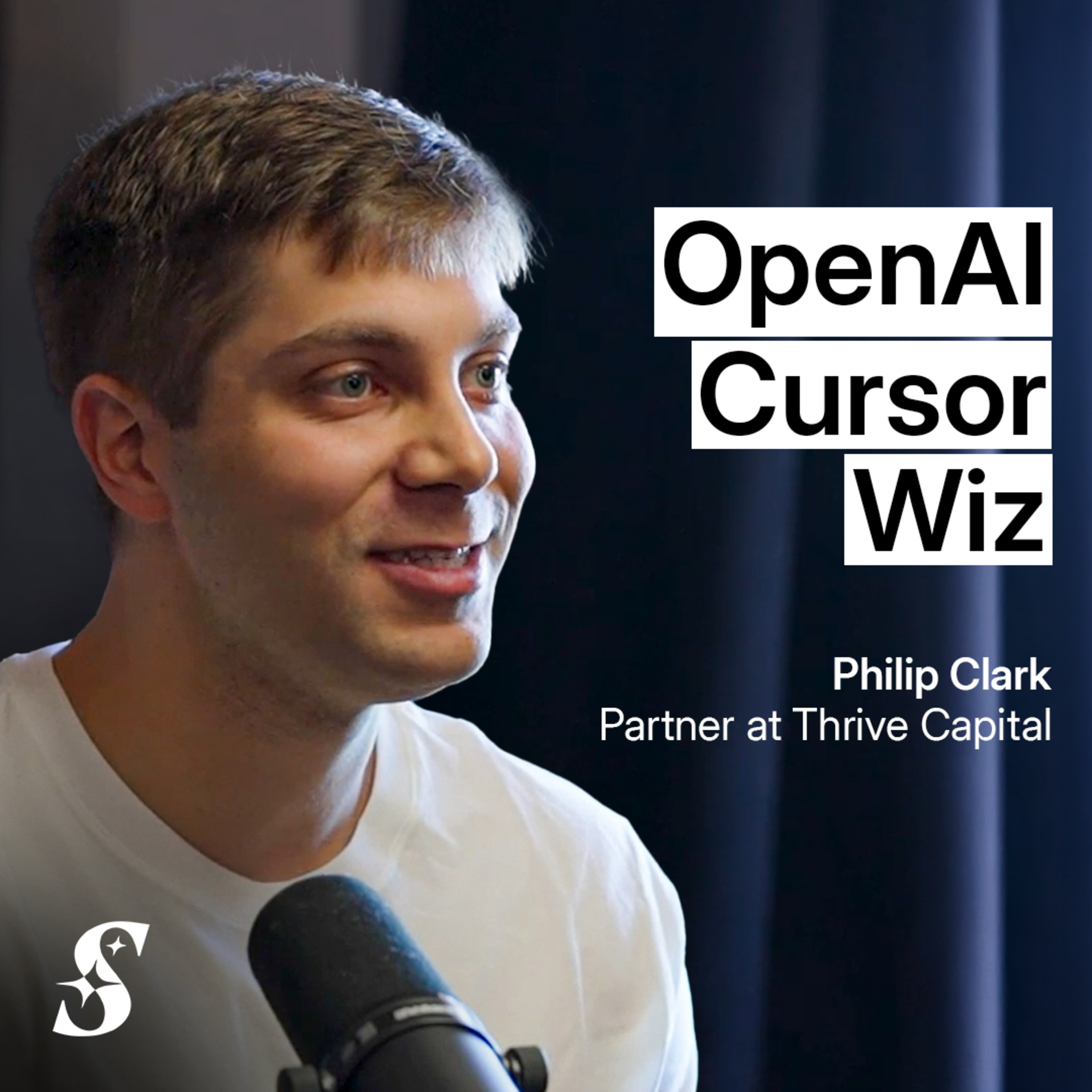
Mark Pincus's central thesis is that founders must differentiate their core, often correct, instinct from their initial, often flawed, product idea. Intellectual honesty about a "B+" idea frees you to find the "A+" execution that unlocks the instinct's potential.

While assessed during diligence, the true caliber of a founder—their passion, authenticity, and ability to "run through walls"—becomes starkly clear after the deal closes. This distinction is not subtle; the impact of a truly exceptional founder versus an average one is immediately evident in the business's trajectory.

While product and market are crucial, the most important factor in an early-stage bet is the founder. This is because most startups pivot significantly. A resilient, adaptable founder who can execute through change is more valuable than a perfect initial idea, leading to the ranking: Founder > Market > Product.

Successful founders learn that their core instincts about a market opportunity are usually right, but their initial product ideas are often wrong. Pincus learned this from his experience with Tribe, where his instinct about social networking was correct but his idea for its execution was flawed.

The most investable founders possess a rare, magnetic ability to conjure essential resources. They can convince top talent to take pay cuts, persuade investors to fund an unproven vision, and acquire their first crucial customers against all odds. This trifecta of materializing labor, capital, and customers is a powerful leading indicator of success.

In early-stage investing, the quality of the founder can be more important than the initial business concept. A strong founder is seen as someone who will eventually find success, even if the first idea requires a pivot.
Beyond the deck, elite VCs assess a founder's core traits. Bill Gurley prioritizes an innate instinct for product in emerging waves, a relentless ability to sell the vision to all stakeholders, and a deterministic drive to succeed against all odds.
