Get your free personalized podcast brief
We scan new podcasts and send you the top 5 insights daily.
While product and market are crucial, the most important factor in an early-stage bet is the founder. This is because most startups pivot significantly. A resilient, adaptable founder who can execute through change is more valuable than a perfect initial idea, leading to the ranking: Founder > Market > Product.

Related Insights
Extensive diligence on a seed-stage company's market or product is often wasted effort. The majority of successful seed investments pivot to a completely different business model, making the founding team's quality and resilience the most crucial factor to evaluate.

Beyond vision, the most exceptional founders can convince top talent to take pay cuts, persuade investors to fund them, and sign initial customers against all odds. This ability to conjure key resources is a primary indicator of success for early-stage investors to identify.

Since startups lack infinite time and money, an investor's key diligence question is whether the team can learn and iterate fast enough to find a valuable solution before resources run out. This 'learning velocity' is more important than initial traction or a perfect starting plan.

When meeting Cursor's founder, the investor felt an "electric energy" even as the founder was pivoting away from his original idea. This highlights that for elite early-stage investors, the founder's intrinsic drive and potential are the constant to bet on, as ideas will inevitably change.
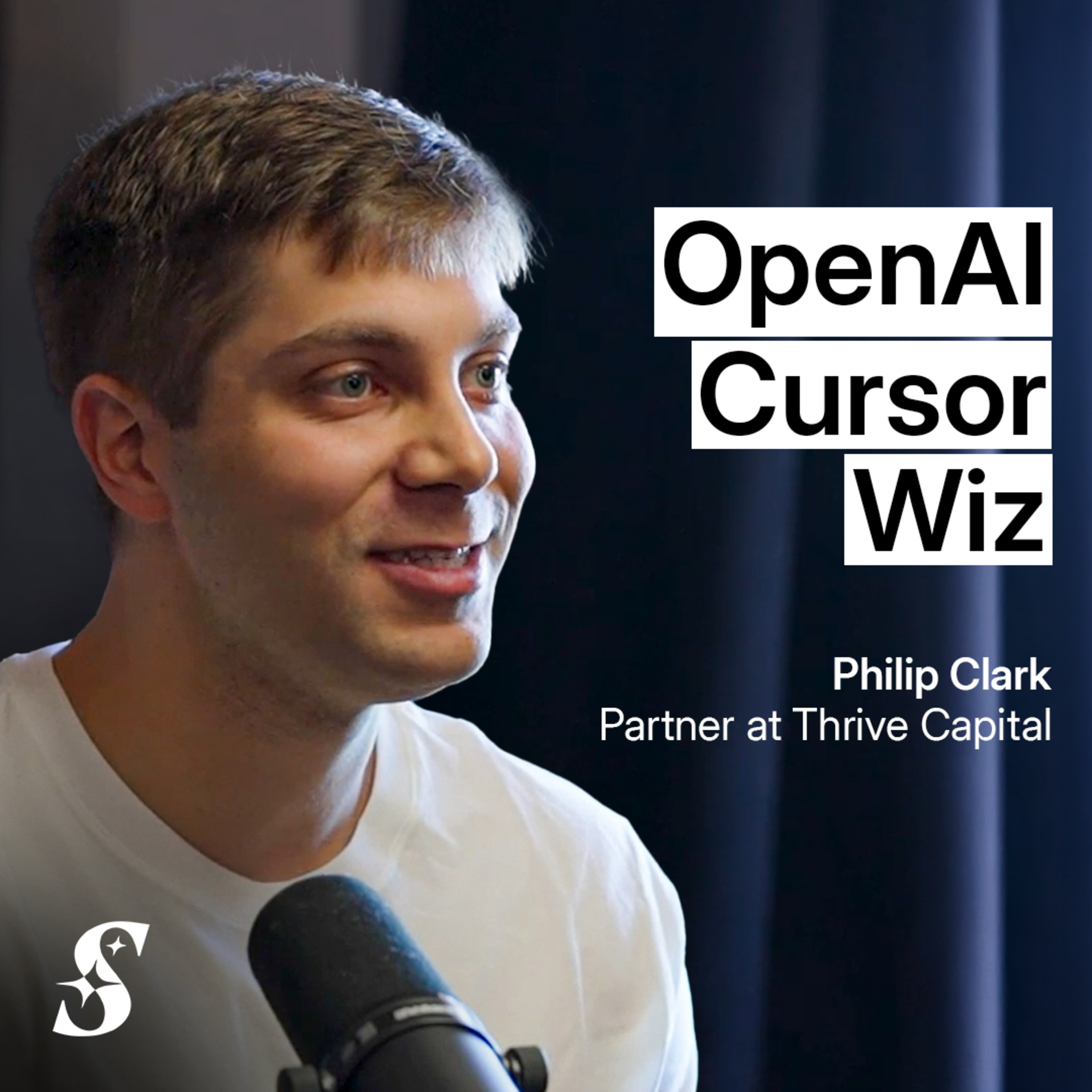
Lip-Bu Tan states that 90% of his portfolio companies change their business plan mid-journey due to market shifts. Because of this inevitability, he prioritizes investing in adaptable, open-minded entrepreneurial *teams* rather than lone visionaries, as a cohesive group is better equipped to navigate pivots.

A primary strategy for early-stage investment is partnering with entrepreneurs with a successful track record, often from previous portfolio companies. VCs will back a person they trust, like a former Chief Scientific Officer or a repeat founder, valuing proven execution experience sometimes even more than a nascent scientific concept.

A truly exceptional founder is a talent magnet who will relentlessly iterate until they find a winning model. Rejecting a partnership based on a weak initial idea is a mistake; the founder's talent is the real asset. They will likely pivot to a much bigger opportunity.

In early-stage investing, the quality of the founder can be more important than the initial business concept. A strong founder is seen as someone who will eventually find success, even if the first idea requires a pivot.
The quality of the founder is the single most important variable. A great founder with a mediocre plan will outperform a mediocre founder with a great plan. The best investment strategy is to back exceptional people and give them leeway, as they will create upside that breaks all precedents.

Spotify's CEO Daniel Ek believes the most important success factor is a founder being destined to solve a specific problem. This 'founder-problem fit,' exemplified by Demis Hassabis at DeepMind, is seen as more fundamental than even finding product-market fit.
