Get your free personalized podcast brief
We scan new podcasts and send you the top 5 insights daily.
Job engagement and 'flow state' are not about working in a 'cool' industry. They arise from four structural factors: autonomy, clear tasks, variety, and feedback. Well-structured administrative work can be more engaging than poorly structured work in your supposed 'dream' industry.

Related Insights
Conventional productivity focuses on minimizing time spent on tasks. A better approach is to find work so fulfilling that the reward for completing it is the opportunity to do even more. The goal should be to maximize time spent on work you would almost pay to do, not just to be efficient.
![Kevin Kelly - Be Generous and Unique - [Invest Like the Best, CLASSICS] thumbnail](https://megaphone.imgix.net/podcasts/9e957b1c-b60e-11f0-8fae-c3720ebd149d/image/fe443cb4b0d58f10dbccb1cf43a6abe2.jpg?ixlib=rails-4.3.1&max-w=3000&max-h=3000&fit=crop&auto=format,compress)
The human brain is wired to enjoy solving challenges. Asking "What puzzles would you like to solve?" sparks passion and ownership. In contrast, asking "What are your goals?" often elicits a feeling of obligation and a list of burdensome tasks, draining the work of its inherent meaning and excitement.

Every job can be broken down into a core, repeatable loop of actions (e.g., a doctor's diagnose-prescribe loop). Instead of focusing on titles or industries, find a career where you are energized by executing its core loop thousands of times, as that is what your daily work actually entails.

The path to professional happiness is not just about passion, but about the structure of the work. It requires two key elements: temporal freedom (autonomy over your schedule to avoid "scheduling asphyxia") and the opportunity to instantiate a creative impulse (building something new from scratch).

Instead of only focusing on the external work-life balance, professionals should analyze their responsibilities internally. By actively seeking a better mix of tasks they love (e.g., patient interaction) versus those that drain them (e.g., admin), they can find fulfillment even during periods of intense work.

People naturally start their jobs motivated and wanting to succeed. A leader's primary role isn't to be a motivational speaker but to remove the environmental and managerial barriers that crush this intrinsic drive. The job is to hire motivated people and get out of their way.

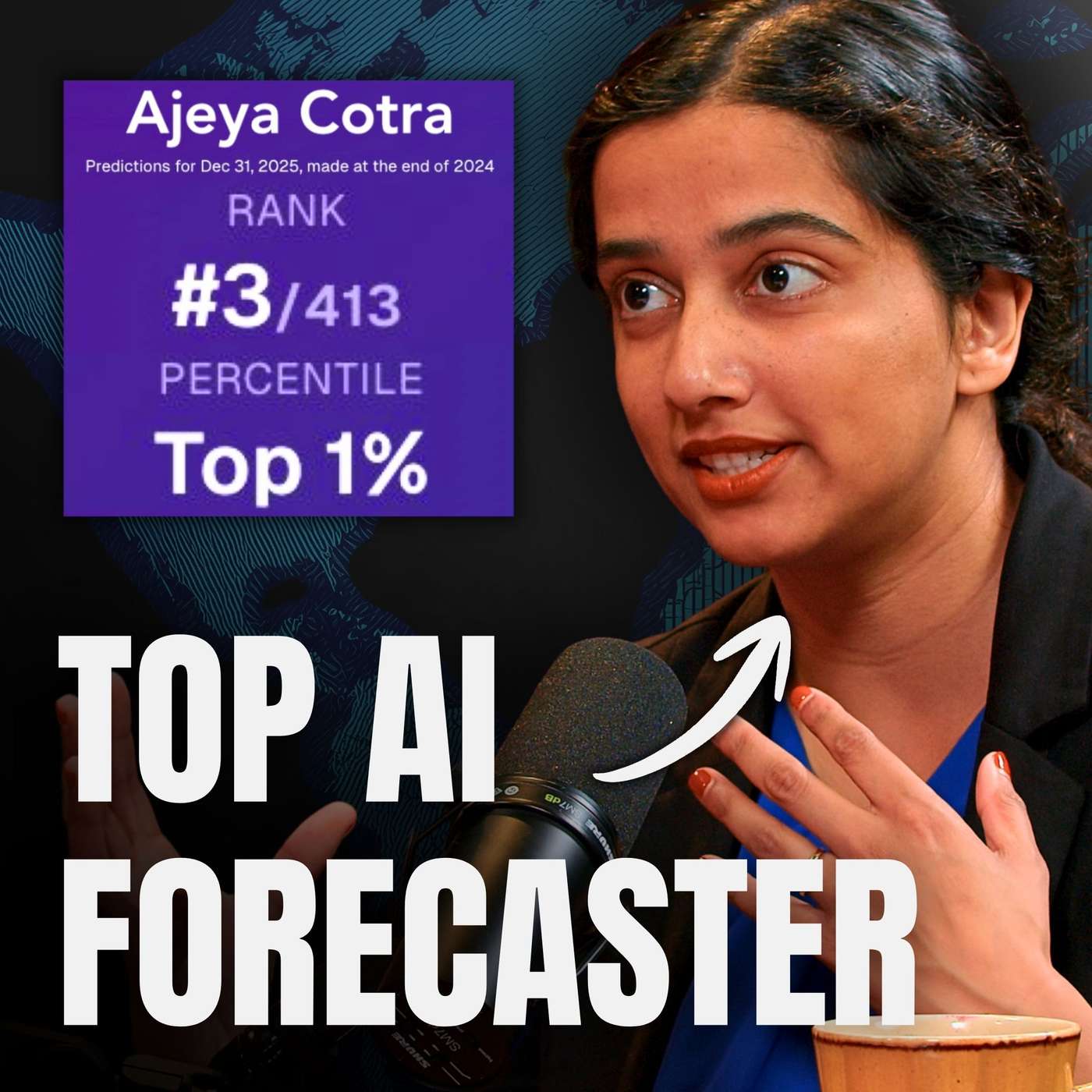
After years in a high-impact role, Ajeya Cotra concluded that day-to-day job satisfaction and effectiveness are shaped more by the micro-environment—like the working relationship with a direct manager—than by alignment with an organization's grand mission. Mundane, local factors have an outsized impact on motivation and burnout.

The micro-environment of a job—specifically your direct manager and the daily rhythm of work—has a greater impact on satisfaction and productivity than high-level alignment with an organization's mission. Under-rating these mundane, local factors in career decisions is a common mistake, as a poor fit can drain motivation regardless of shared goals.
We often mistake skills for strengths. A more powerful definition of a strength is any activity that energizes and motivates you. To boost morale and performance, individuals and leaders should focus on aligning work with these energy-giving tasks, rather than just focusing on competency.

Burnout stems not from long hours, but from a feeling of stagnation and lack of progress. The most effective way to prevent it is to ensure employees feel like they are 'winning.' This involves putting them in the right roles and creating an environment where they can consistently achieve tangible successes, which fuels motivation far more than work-life balance policies alone.
