Get your free personalized podcast brief
We scan new podcasts and send you the top 5 insights daily.
Endra invested heavily in a professional website and brand assets before their product was ready. This unconventional move helped them tell a compelling story, establish a strong identity, and attract an initial user base that believed in their mission from day one.

Related Insights
Working for a founder who understands marketing (e.g., a former CMO) creates a high-trust environment. This empowers marketing teams to invest in long-term brand building and creative initiatives that are notoriously hard to attribute, without being handcuffed by demands to prove the ROI of every dollar spent.

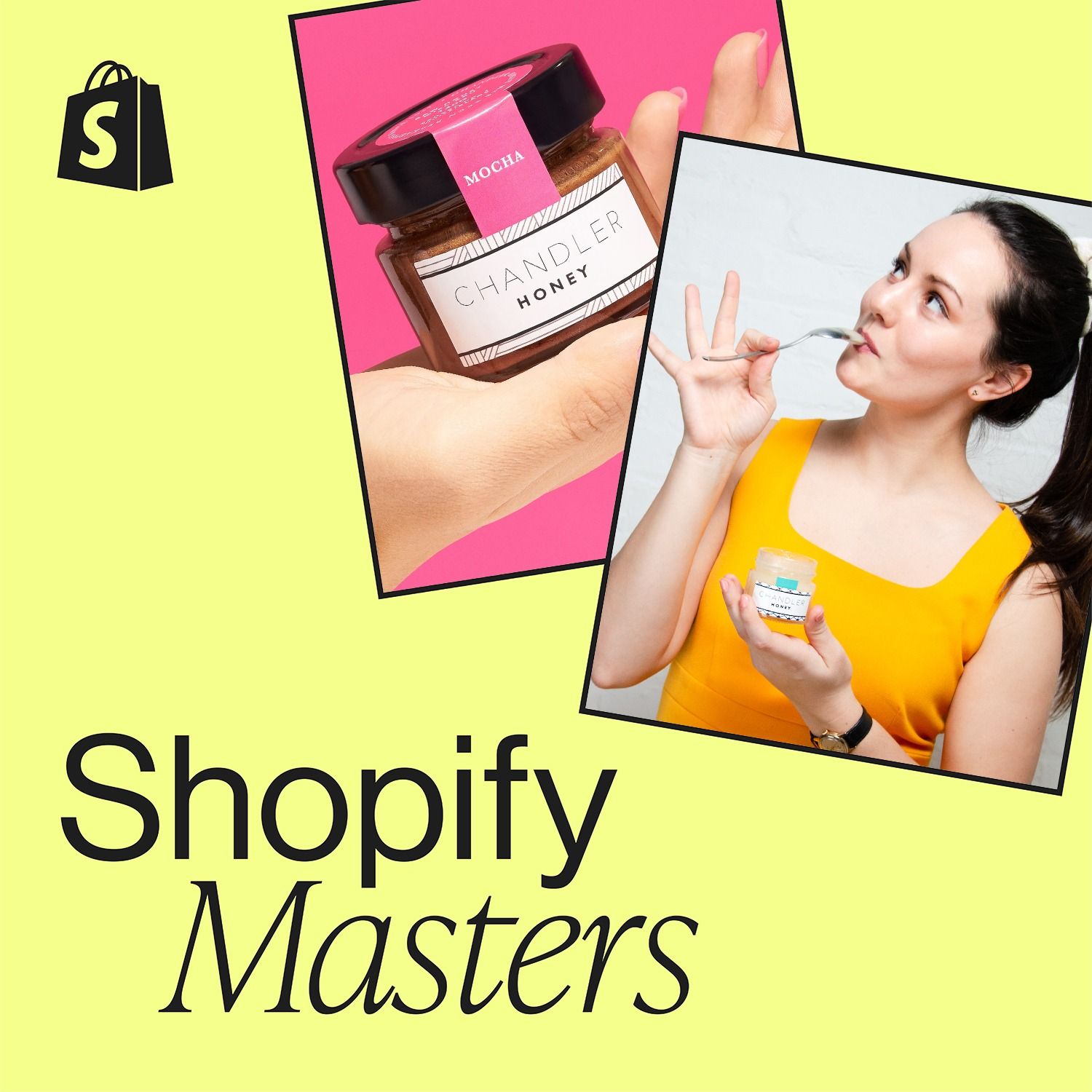
For her online-only launch, the founder invested heavily in professional product photography before making any sales. She reasoned that since customers couldn't taste the honey, visual appeal was paramount and credits this day-one investment for her successful launch.
Before raising significant capital or manufacturing its product, Liquid Death's founder created a fake brand on Facebook. A $1,500 commercial generated millions of views and tens of thousands of followers, proving market demand and de-risking the venture for early investors.

Early on, Ring spent $175,000—out of $187,000 in the bank—as a down payment for the ring.com domain. This seemingly reckless move was a calculated strategy to immediately establish credibility and compete with giants like Google, a necessary risk in the capital-intensive hardware space.

To de-risk their unconventional idea, Liquid Death created a fake ad and a Facebook page to test market reception. They secured millions of views and 80,000 followers, proving demand and generating traction that was crucial for raising capital, turning a concept into an investable business.

Instead of waiting for a working product, the founders invested in a conference booth with just screenshots. This early, public validation test, though risky, attracted two crucial prospects who became their first customers. This demonstrated market demand before the product was fully built, a move many founders would avoid.

While scaling with a corporate brand seems safer, it's less effective for smaller businesses. In the current digital landscape, humans connect with humans. A founder's personal brand is a unique differentiator that will attract clients and build community faster than a generic company logo.

Clay demonstrated a radical commitment to brand from day one. The company purchased the premium domain clay.com and contracted a claymation artist—who charged a recurring "SaaS" fee for his art—all before the business had any meaningful revenue, embedding the brand deep into its DNA.

Sandals founder Butch Stewart didn't wait for profits to reinvest in advertising. He spent millions upfront because he believed the most valuable and difficult real estate to build is the brand's position in a consumer's mind. This 'spend bigger to earn bigger' mindset established the brand's identity early.

LoveSack operated successfully for years based on product instinct alone. However, transformational growth occurred only after the company intentionally defined its core brand philosophy—'Designed for Life'—and then amplified that clear message with advertising. This shows that a well-defined brand story is a powerful, distinct growth lever, separate from initial product-market fit.