Get your free personalized podcast brief
We scan new podcasts and send you the top 5 insights daily.
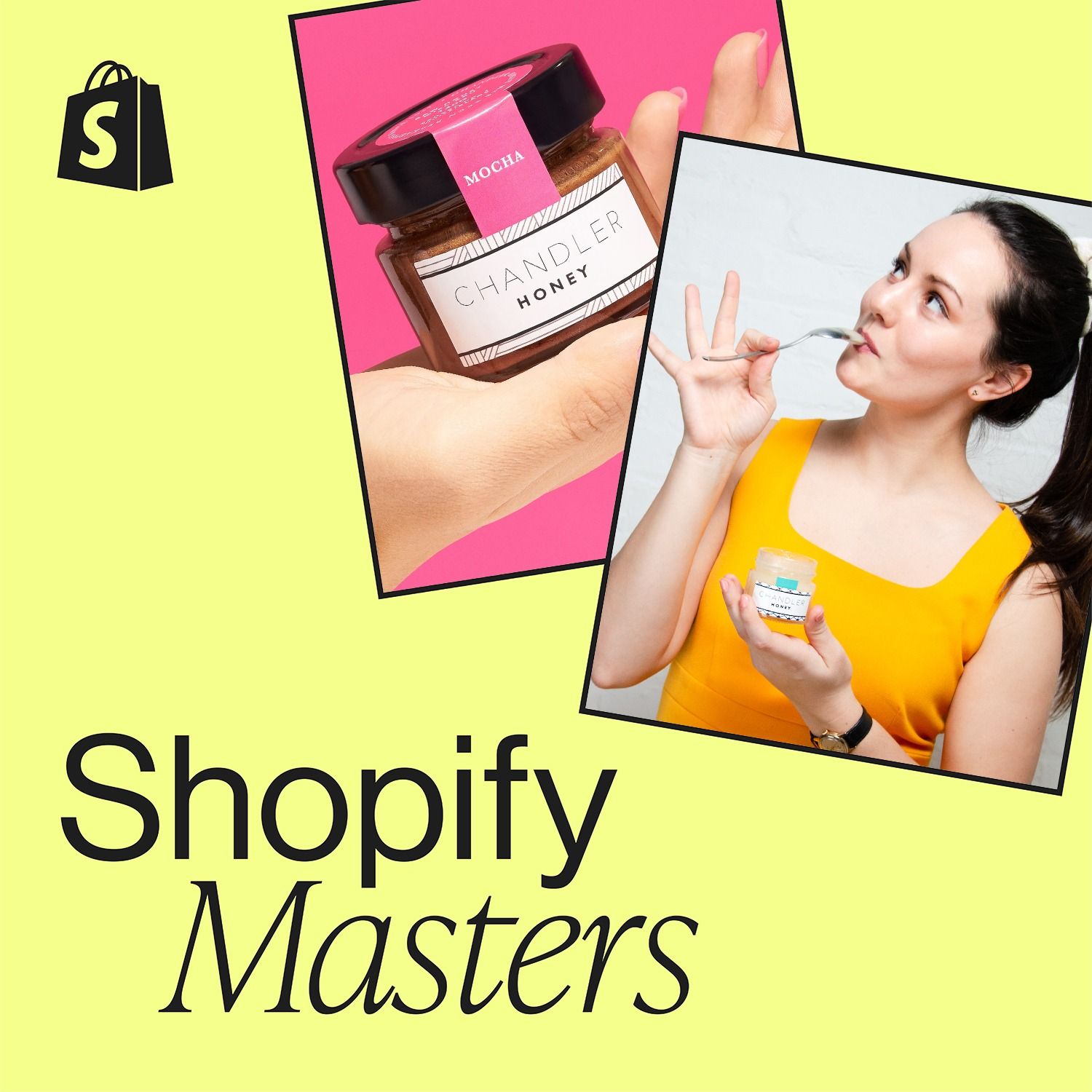
For her online-only launch, the founder invested heavily in professional product photography before making any sales. She reasoned that since customers couldn't taste the honey, visual appeal was paramount and credits this day-one investment for her successful launch.
Related Insights
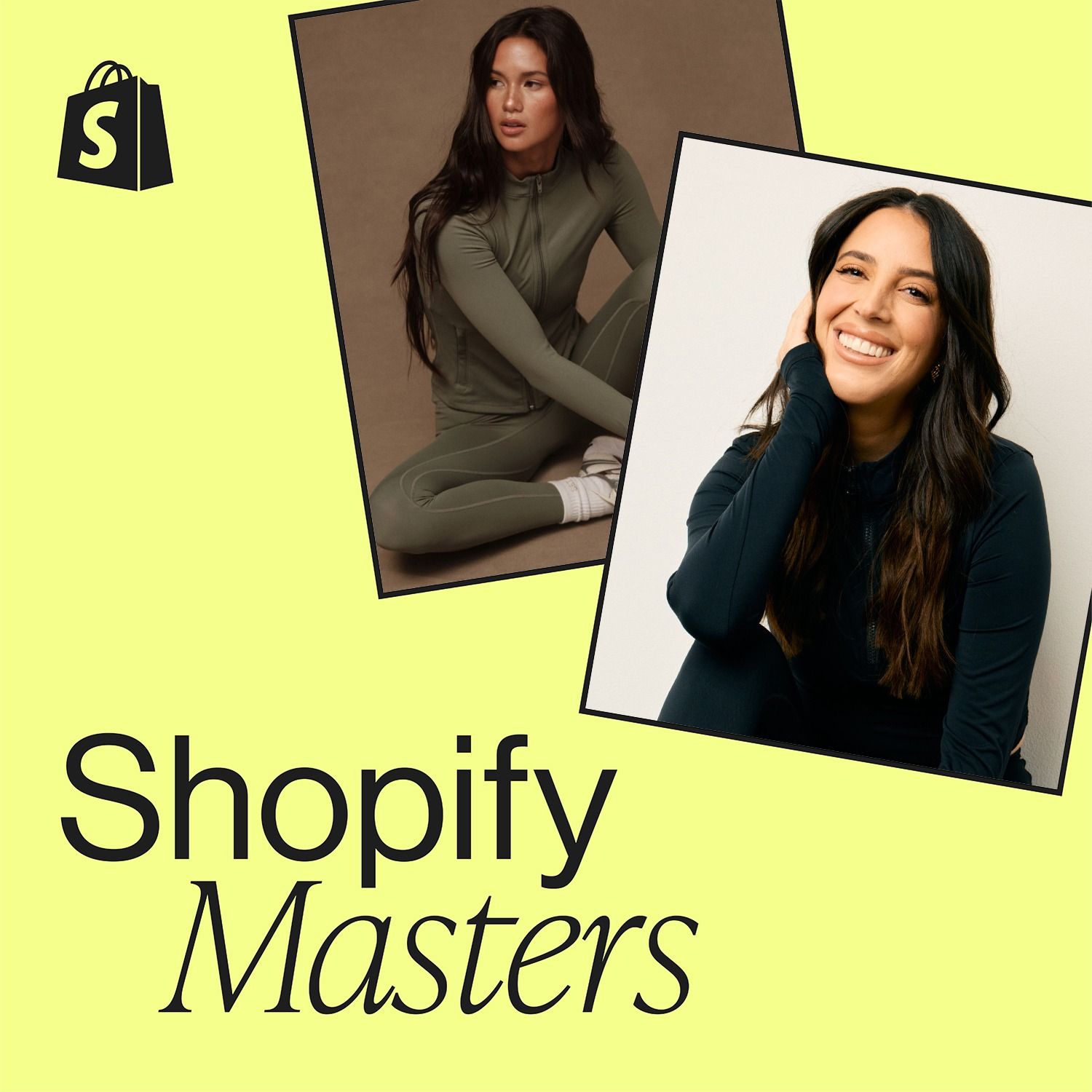
Lindsay Carter's most impactful early decision was placing a second purchase order before knowing if the first would succeed. This high-risk move ensured that once the initial inventory sold out, new product was arriving to keep the momentum going. In a hype-driven market, waiting for sales data can mean losing customer attention.
The "build it and they will come" mindset is a trap. Founders should treat marketing and brand-building not as a later-stage activity to be "turned on," but as a core muscle to be developed in parallel with the product from day one.

The mattress brand defied DTC convention by investing solely in upper-funnel media like out-of-home at launch. The strategy was to create a 'physical adjacency' to other premium brands and build trust for a high-consideration purchase. This approach sidestepped the volatile performance marketing cycle and established a premium brand perception from day one.
Meadow Lane created a line out the door on day one by meticulously documenting its entire 17-month founding journey on social media. This strategy, echoing Disney's playbook for Disneyland, builds a loyal community and peaks demand before the product even exists.

A powerful first move for a new brand is leveraging community-driven affiliate platforms. By getting the product into the hands of engaged creators in relevant communities, a brand can build authentic word-of-mouth and generate multi-million dollar revenue before ever investing in traditional CRM or paid media channels.
Technical founders often mistakenly believe the best product wins. In reality, marketing and sales acumen are more critical for success. Many multi-million dollar companies have succeeded with products considered clunky or complex, purely through superior distribution and sales execution.

Instead of waiting for a working product, the founders invested in a conference booth with just screenshots. This early, public validation test, though risky, attracted two crucial prospects who became their first customers. This demonstrated market demand before the product was fully built, a move many founders would avoid.

In its first six months, Alave's most effective marketing was incredibly simple: screenshotting every positive customer review from texts or DMs and posting them to Instagram Stories. This relentless stream of user-generated testimonials provided powerful, low-cost social proof that drove initial sales and built trust.
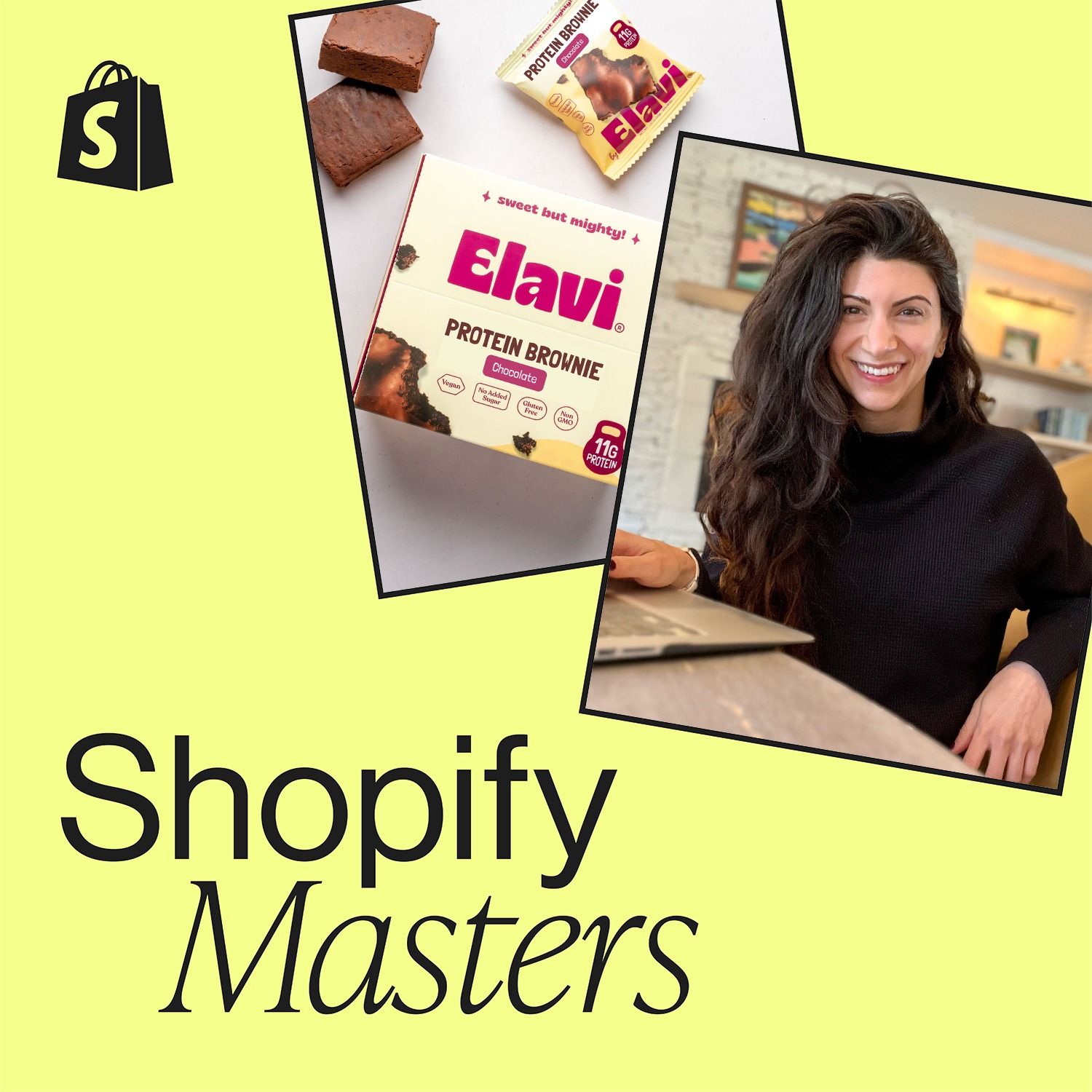
To minimize risk, the founder initially ordered small quantities of custom packaging, resulting in a high cost of $6.31 per box. In hindsight, she advises founders to "bet on themselves" by ordering larger quantities to significantly lower cost of goods, even if it ties up capital longer.
The founder realized her premium honey sold better in gift and souvenir shops where brand story matters more than price. This was more profitable and a better brand fit than traditional grocery stores with their high margins and unfavorable terms.