Get your free personalized podcast brief
We scan new podcasts and send you the top 5 insights daily.
Jenna Hannon says Uber Eats began as a lunchtime experiment to fill drivers' trunks with one item from noon to 2pm. The San Francisco team dismissed Toronto's idea to let people order from chosen restaurants, but that version exploded and led Travis Kalanick to scale it.

Related Insights
Jenna Hannon describes sending someone door to door to sign restaurants, then running job-board and Craigslist campaigns for couriers, then turning on eater marketing. Each market had different dynamics, so the same supply-first sequence had to be repeated week after week. The model required local recruitment before demand.
Uber's competitive advantage over Lyft is reinforced by Uber Eats. By offering both ride-sharing and food delivery, it creates a stickier proposition for drivers who can maximize earnings. This flexibility ensures a more robust and reliable supply for Uber, strengthening its overall network effect.

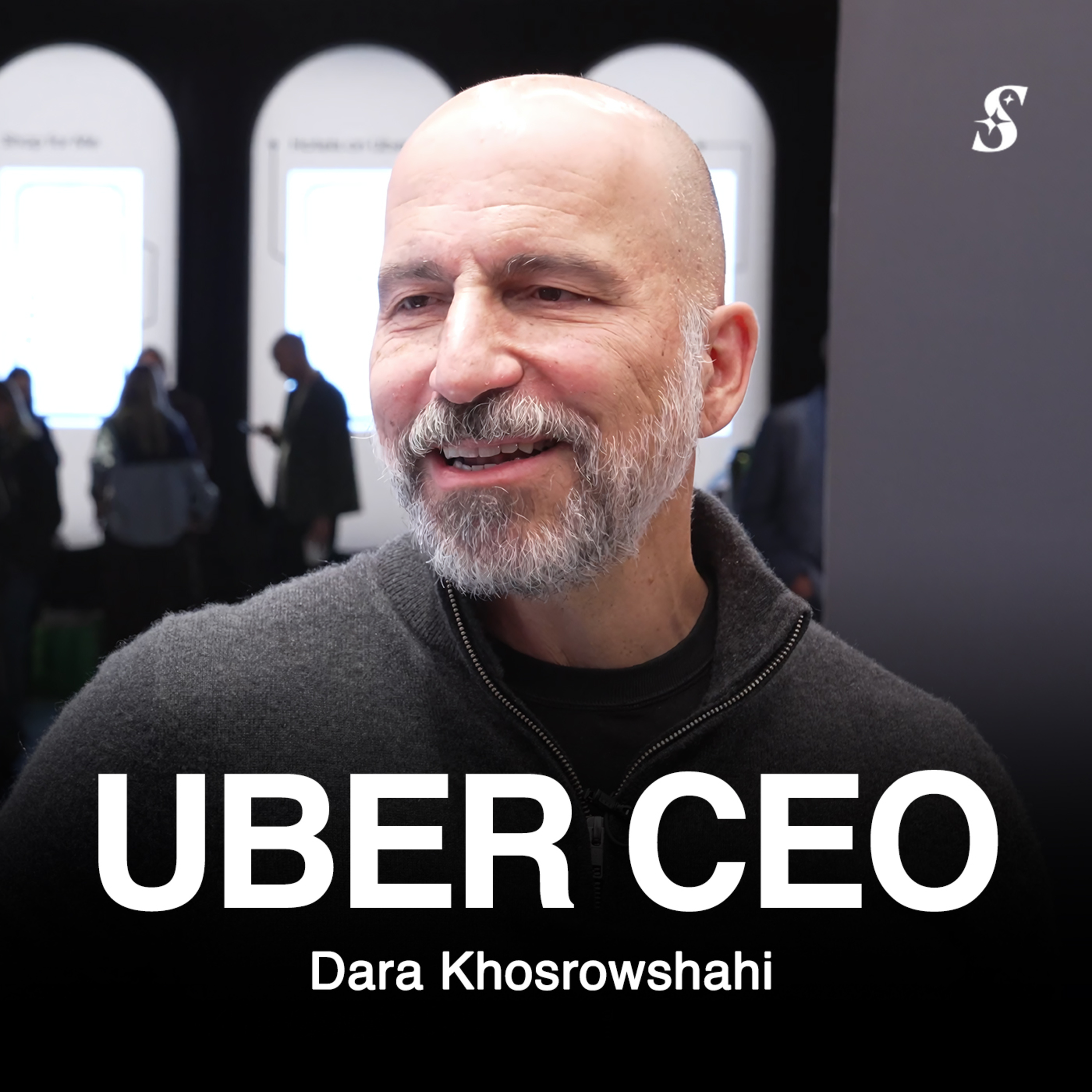
Dara Khosrowshahi learned that unlike travel platforms (demand-led), Uber's growth is fundamentally driven by supply. The primary focus is on recruiting drivers and merchants into new markets. Once sufficient supply is established, latent consumer demand naturally emerges and follows, dictating their entire expansion playbook.
Kalanick compares his focus on food logistics to his early work in taxis, noting that both were seen as "boring" or "weird" ideas. He believes the best markets are often less competitive because they are difficult and unattractive to others, creating huge potential for founders who embrace the challenge.

Uber's success against competitors in ridesharing or food delivery stems from its integrated platform. While rivals operate as monoline businesses (either rides or eats), Uber's ability to cross-leverage its ecosystems allows it to grow faster and achieve greater profitability.
Domino's leverages delivery aggregators like Uber Eats as a marketing channel to acquire customers. However, it fulfills these orders using its own drivers. This hybrid model captures the apps' network effects while maintaining full control over the crucial customer experience and delivery quality.
By partnering with Uber Eats to offer restaurants free delivery, Toast directly attacks the high-fee model of competitors like DoorDash. This forces DoorDash into a dilemma: ignore a major threat or compete by cannibalizing its own high-margin core business.
Don't just ask customers about their business—independently verify it. When launching Uber Eats, the team couldn't get clear answers on restaurant economics. So they ordered food, weighed the ingredients, and built their own model, giving them the "ground truth" needed to confidently propose their pricing structure.
Pizza chains historically dominated food delivery because they had their own drivers. The rise of apps like DoorDash and Uber Eats has given every restaurant access to a delivery fleet, eroding pizza's core moat and contributing to its decline from its peak popularity.

The core mission of Kalanick's company, Adams, is to make the preparation and delivery of a quality meal so efficient that it approaches the cost of going to the grocery store. This would "do to the kitchen what Uber did to the car," making cooking at home a choice rather than a necessity.
