Get your free personalized podcast brief
We scan new podcasts and send you the top 5 insights daily.
By partnering with Uber Eats to offer restaurants free delivery, Toast directly attacks the high-fee model of competitors like DoorDash. This forces DoorDash into a dilemma: ignore a major threat or compete by cannibalizing its own high-margin core business.
![Toast: Sticky SaaS - [Business Breakdowns, EP.247] thumbnail](https://megaphone.imgix.net/podcasts/25197a00-5b76-11f1-9c11-6fcdb710edc5/image/b8f3db4ca7ffd3c5807c493f9f0ad981.jpg?ixlib=rails-4.3.1&max-w=3000&max-h=3000&fit=crop&auto=format,compress)
Related Insights
The narrative that successful tech platforms are simply "rent extractors" overlooks their fundamental value creation. DoorDash, for example, created a new market for at-home restaurant dining, massively increasing the addressable market for restaurants and creating new jobs for drivers, rather than just inserting itself into an existing transaction.

Uber's competitive advantage over Lyft is reinforced by Uber Eats. By offering both ride-sharing and food delivery, it creates a stickier proposition for drivers who can maximize earnings. This flexibility ensures a more robust and reliable supply for Uber, strengthening its overall network effect.

The threat to companies like DoorDash isn't a new AI delivery service. It's an AI agent that optimizes consumer choice between DoorDash, Uber Eats, and direct ordering. The brand that "owns the agent" wins by commoditizing the underlying service providers, even if their operations remain superior.

Success for DoorDash is measured by improving seemingly contradictory inputs for each side of its marketplace. The company's "flywheel" is only considered successful if they simultaneously make the service more affordable for consumers while increasing pay for Dashers and profitability for merchants.

Lacking capital compared to rivals, DoorDash was forced to build a product with superior organic retention. This constraint meant they had to innovate on the core service itself, rather than rely on discounts, creating an "unfair advantage" once they could raise money.
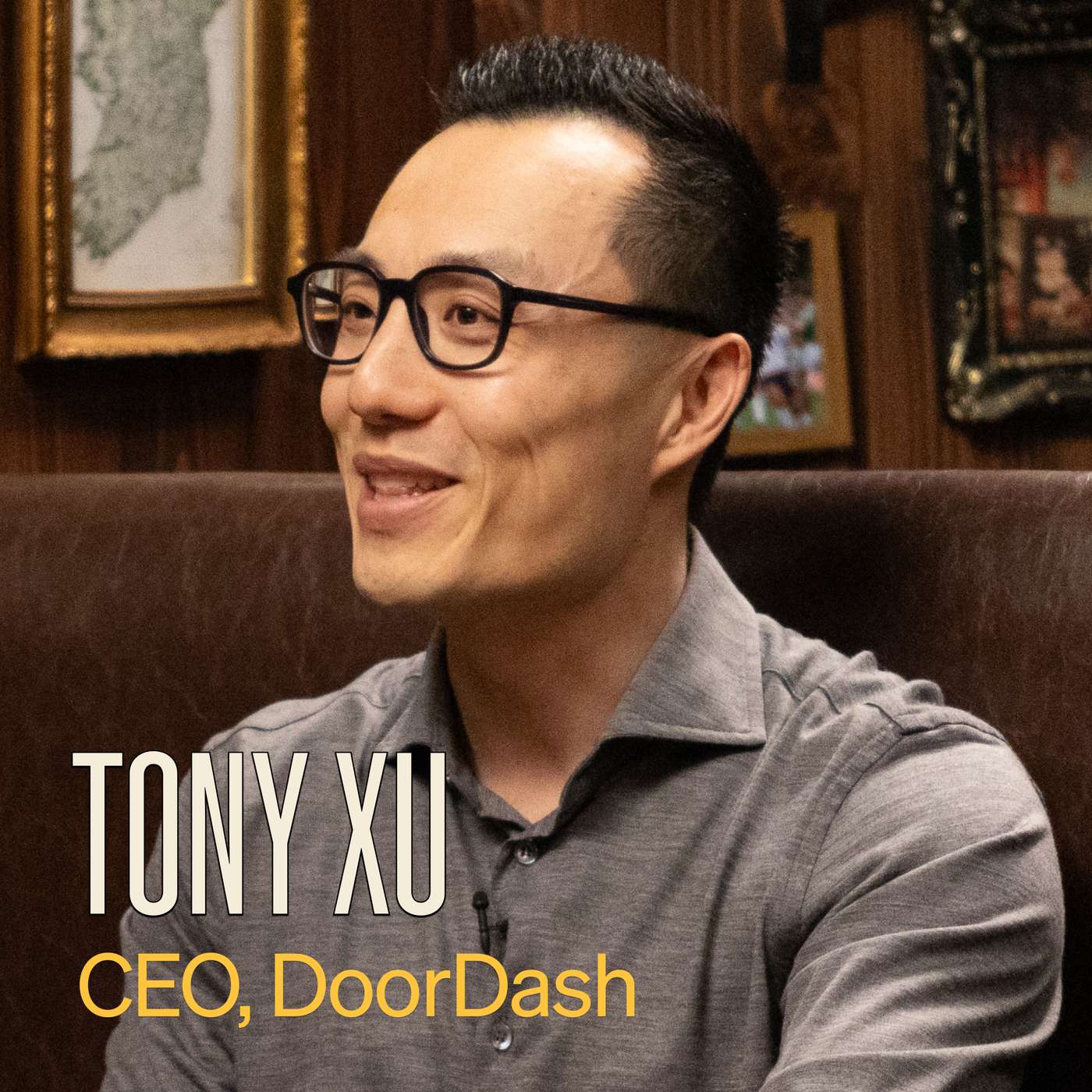
In the competitive food delivery market, service fees frustrate both customers and restaurants. By eliminating this key fee, similar to Robinhood's disruption of trading commissions, DoorDash could become the preferred platform. Shifting to a subscription model like Costco would foster immense goodwill and lock in loyalty.

While seemingly similar to competitors, DoorDash consistently outperforms on key metrics like delivery speed, fees, merchant selection, and customer satisfaction. This comprehensive product superiority, driven by a 'maniacal' management focus, creates a durable moat.
DoorDash's CEO frames the market as two battles: for digital attention (bits) and for facilitating the physical world (atoms). DoorDash focuses on moving atoms (goods) to complement the digital ecosystem, which clearly defines its strategic focus against other tech giants.

Pizza chains historically dominated food delivery because they had their own drivers. The rise of apps like DoorDash and Uber Eats has given every restaurant access to a delivery fleet, eroding pizza's core moat and contributing to its decline from its peak popularity.
While massive "kingmaking" funding rounds can accelerate growth, they don't guarantee victory. A superior product can still triumph over a capital-rich but less-efficient competitor, as seen in the DoorDash vs. Uber Eats battle. Capital can create inefficiency and unforced errors.