Get your free personalized podcast brief
We scan new podcasts and send you the top 5 insights daily.
A CIO adds value not by micromanaging, but by acting as a 'snowplow.' This involves proactively exploring and clearing potential investment paths. This forward-looking reconnaissance enables the team to operate at maximum speed and focus on execution, knowing the strategic direction has been vetted.

Related Insights
An operating partner's real value isn't telling operators what to do but sharing the cognitive and emotional burden of leadership. By helping leaders think through the consequences of tough decisions, they provide the clarity and conviction needed to act, something operators often struggle with alone.

To transition from working 'in the business' to 'on the business,' Snowflake's CRO was told his hands-on, 'deal hound' approach wouldn't work at scale. The solution was to hire other capable 'drivers,' trust them to do their jobs, and hold them accountable. If a leader has to do their team's job, it's a problem with the team member.

As a product leader becomes more senior, their job is not to make more decisions but to make fewer, more critical ones. Their primary role is to create time for deep thinking on large, irreversible bets, which requires having strong lieutenants to handle day-to-day execution and smaller decisions.

GC's CEO Hemant Taneja views his role as an orchestrator, not a dictator. He employs a "servant leadership" model where any partner with conviction can lead an investment. His job is to ensure their thinking is rigorous, not to impose his own views, which he believes would create missed opportunities.
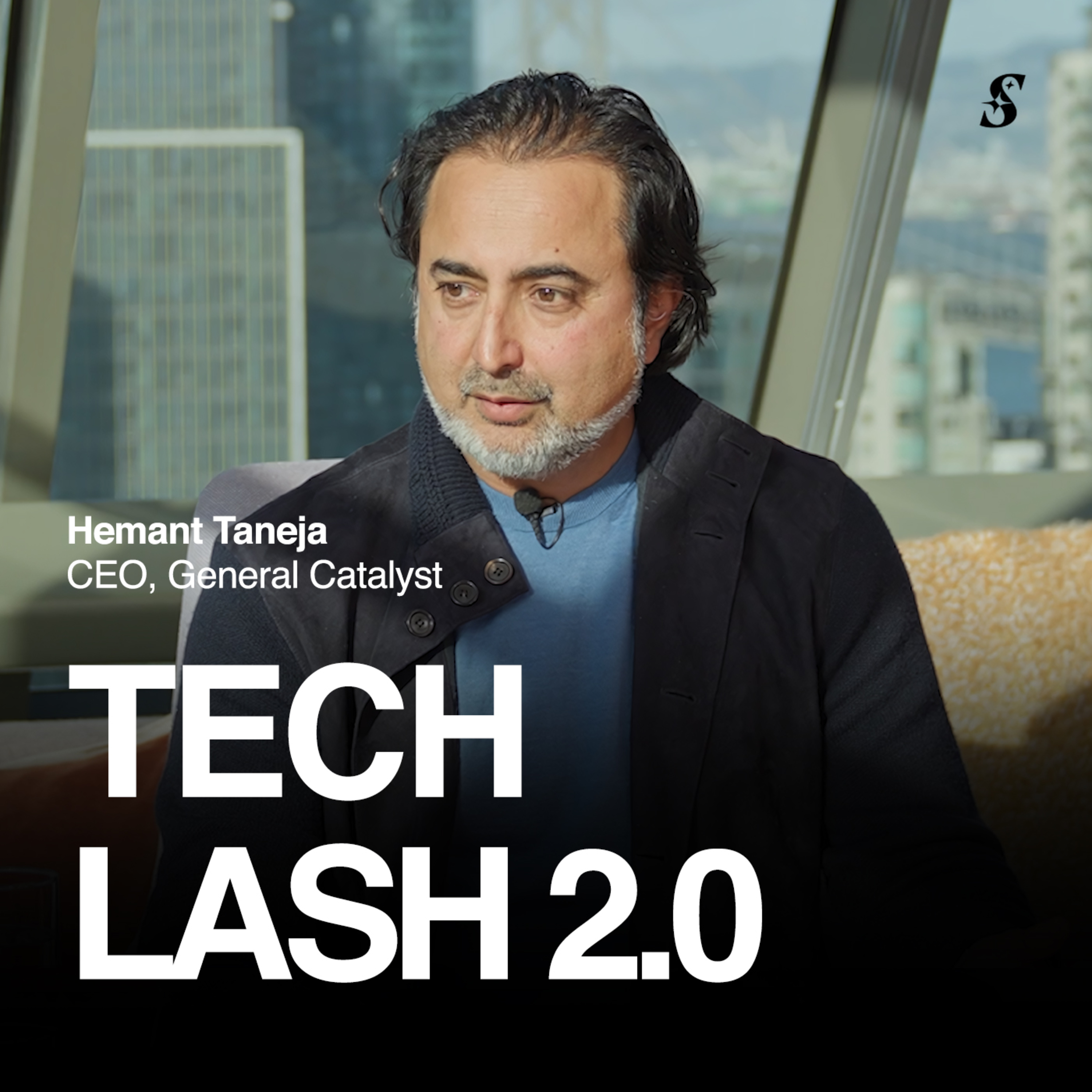
A CEO's main function isn't constant ideation but relentless information consumption to build deep context and intuition. This groundwork enables them to make the one to three truly pivotal decisions each year that shape the company's future, while also creating an environment where the team's best ideas can emerge.
An investment committee's value extends beyond simple gatekeeping. It serves as a vital communication tool between company divisions, a focusing mechanism to prevent chasing distractions, and a mentoring opportunity where junior talent can learn from senior-level analysis and decision-making.

Farallon has managed rare CIO transitions by fostering a culture where leaders view themselves as temporary stewards for LPs, not permanent owners. This "LP-first" philosophy prioritizes long-term returns over individual tenure, making succession a natural part of preserving the firm’s mission.

The CEO's role isn't to be the primary innovator but to enable a high-performing team. This "basketball coach" model focuses on providing the resources, culture, and strategic direction for the experts on the team to succeed, rather than trying to score all the baskets personally.

The CIO's mandate is shifting from maintaining systems to leading change. By using AI to automate discovery, map dependencies, and predict outages, CIOs evolve from managing infrastructure to governing and accelerating the company's most valuable asset: velocity.

In times of strategic ambiguity, teams can become paralyzed. An effective director doesn't wait for perfect clarity from above. They step into the vacuum, interpret available signals, and create a clear line-of-sight connecting their team's work to broader business objectives, even if it's imperfect.
