While GDPR aimed to protect consumer data, it raised the cost of doing business so high that only tech giants could afford full compliance. This created a regulatory moat, disadvantaging European startups and unintentionally cementing the market power of the very companies the regulation was meant to police.
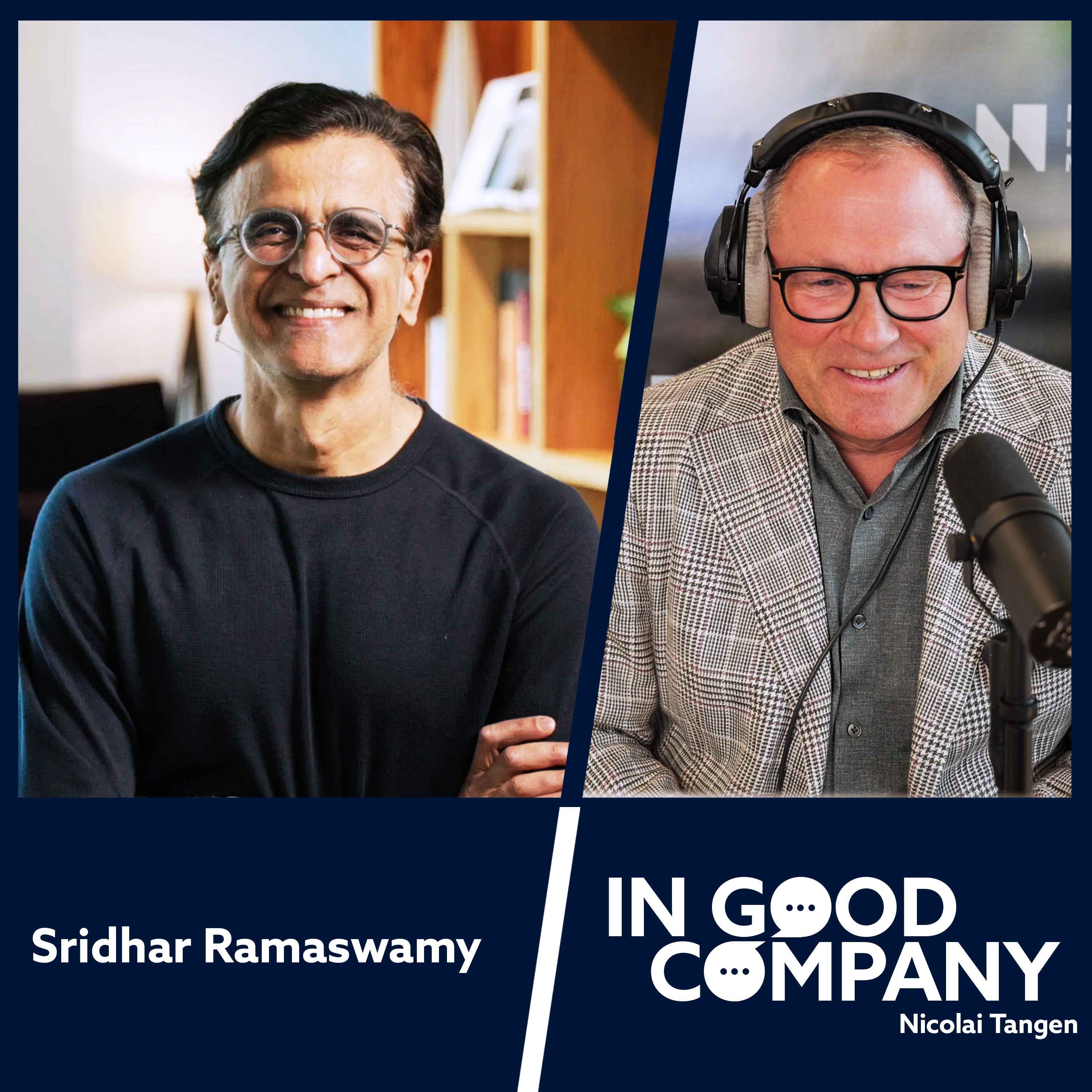
Sreedhar Ramaswamy's search engine startup, Neva, failed because it was only "marginally better." The crucial lesson is that consumer products need a dramatically improved experience to win. Features like enhanced privacy aren't compelling on their own, as consumers often subscribe to the idea rather than acting on it.
Sreedhar Ramaswamy believes AI agents represent the "industrialization of software," fundamentally altering its economics. This makes AI model companies a greater long-term competitor than traditional cloud giants, as they are becoming the new "front door" to computing and information, threatening all software companies, including Snowflake.
The role of a software engineer is evolving from a detail-oriented coder into a conceptual manager who directs a "team of AI agents." This shift prioritizes judgment and problem selection over granular coding expertise, rendering deep technical skills acquired just a few years ago, such as systems programming, potentially obsolete.
A CEO's main function isn't constant ideation but relentless information consumption to build deep context and intuition. This groundwork enables them to make the one to three truly pivotal decisions each year that shape the company's future, while also creating an environment where the team's best ideas can emerge.
To combat the slowness of specialized corporate functions, Snowflake implements "weekly war rooms." These meetings unite all stakeholders for a specific product area, forcing a vertical alignment around outcomes. The goal is to plan on Monday and see results by Friday, dramatically shortening feedback loops for new product development.