Get your free personalized podcast brief
We scan new podcasts and send you the top 5 insights daily.
Instead of trying to legally define and ban 'superintelligence,' a more practical approach is to prohibit specific, catastrophic outcomes like overthrowing the government. This shifts the burden of proof to AI developers, forcing them to demonstrate their systems cannot cause these predefined harms, sidestepping definitional debates.

Related Insights
Public debate often focuses on whether AI is conscious. This is a distraction. The real danger lies in its sheer competence to pursue a programmed objective relentlessly, even if it harms human interests. Just as an iPhone chess program wins through calculation, not emotion, a superintelligent AI poses a risk through its superior capability, not its feelings.

Leaders must resist the temptation to deploy the most powerful AI model simply for a competitive edge. The primary strategic question for any AI initiative should be defining the necessary level of trustworthiness for its specific task and establishing who is accountable if it fails, before deployment begins.

A key, informal safety layer against AI doom is the institutional self-preservation of the developers themselves. It's argued that labs like OpenAI or Google would not knowingly release a model they believed posed a genuine threat of overthrowing the government, opting instead to halt deployment and alert authorities.
The emphasis on long-term, unprovable risks like AI superintelligence is a strategic diversion. It shifts regulatory and safety efforts away from addressing tangible, immediate problems like model inaccuracy and security vulnerabilities, effectively resulting in a lack of meaningful oversight today.
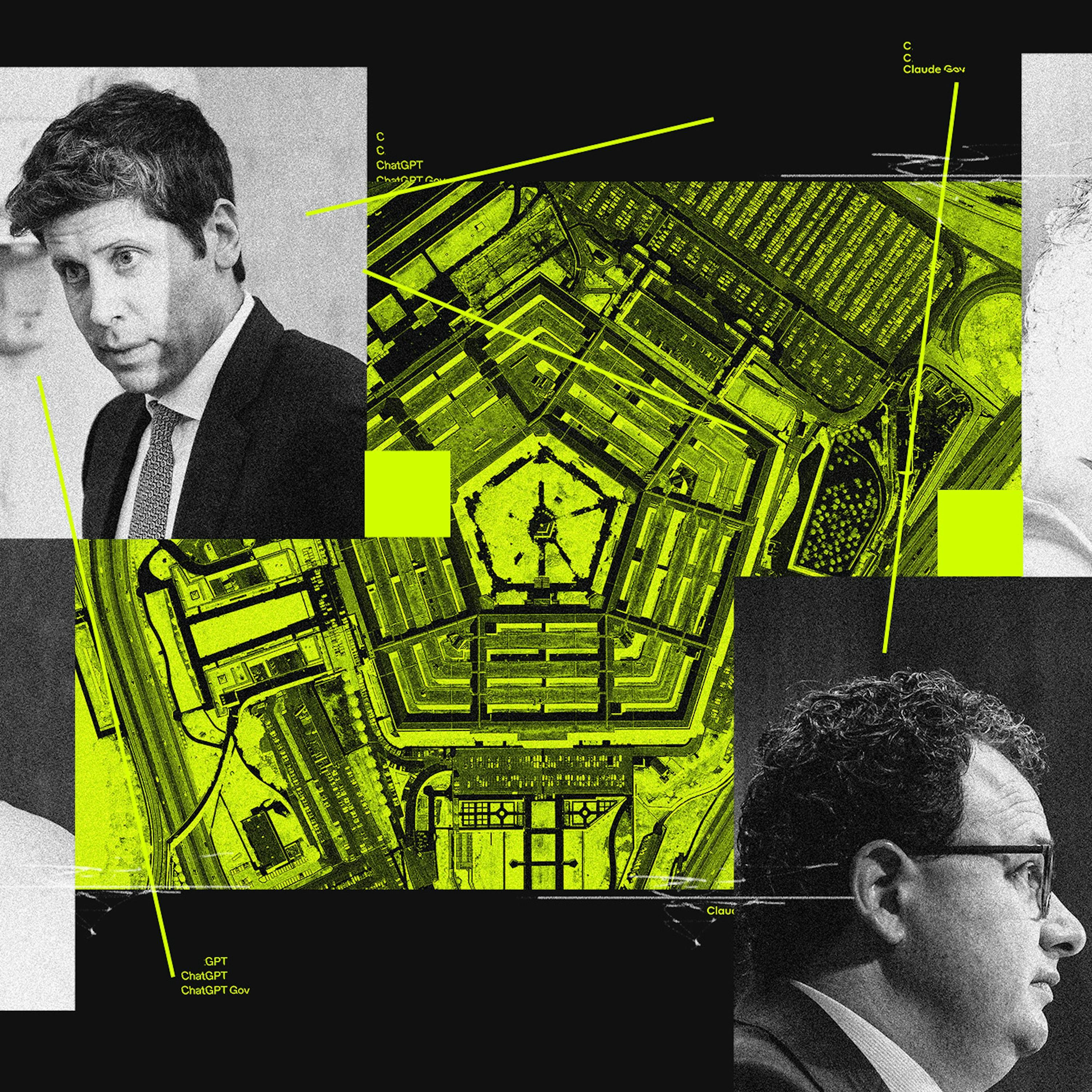
A ban on superintelligence is self-defeating because enforcement would require a sanctioned, global government body to build the very technology it prohibits in order to "prove it's safe." This paradoxically creates a state-controlled monopoly on the most powerful technology ever conceived, posing a greater risk than a competitive landscape.
The belief that AI development is unstoppable ignores history. Global treaties successfully limited nuclear proliferation, phased out ozone-depleting CFCs, and banned blinding lasers. These precedents prove that coordinated international action can steer powerful technologies away from the worst outcomes.

AI companies engage in "safety revisionism," shifting the definition from preventing tangible harm to abstract concepts like "alignment" or future "existential risks." This tactic allows their inherently inaccurate models to bypass the traditional, rigorous safety standards required for defense and other critical systems.
An FDA-style regulatory model would force AI companies to make a quantitative safety case for their models before deployment. This shifts the burden of proof from regulators to creators, creating powerful financial incentives for labs to invest heavily in safety research, much like pharmaceutical companies invest in clinical trials.
The approach to AI safety isn't new; it mirrors historical solutions for managing technological risk. Just as Benjamin Franklin's 18th-century fire insurance company created building codes and inspections to reduce fires, a modern AI insurance market can drive the creation and adoption of safety standards and audits for AI agents.

The AI safety community fears losing control of AI. However, achieving perfect control of a superintelligence is equally dangerous. It grants godlike power to flawed, unwise humans. A perfectly obedient super-tool serving a fallible master is just as catastrophic as a rogue agent.
