Get your free personalized podcast brief
We scan new podcasts and send you the top 5 insights daily.
Your most advanced users are prototyping your future product. An effective product strategy is to observe the cutting-edge workflows they build using your API or MCP. Then, create polished, seamless, 'best in the world' versions of the most valuable use cases, as Granolah did with its pre-meeting briefs.

Related Insights
Figma's expansion into multiple products (FigJam, Slides) wasn't based on abstract strategy but on observing users pushing the main design tool to its limits for unintended use cases. Identifying these 'hacks' revealed validated market needs for dedicated products.
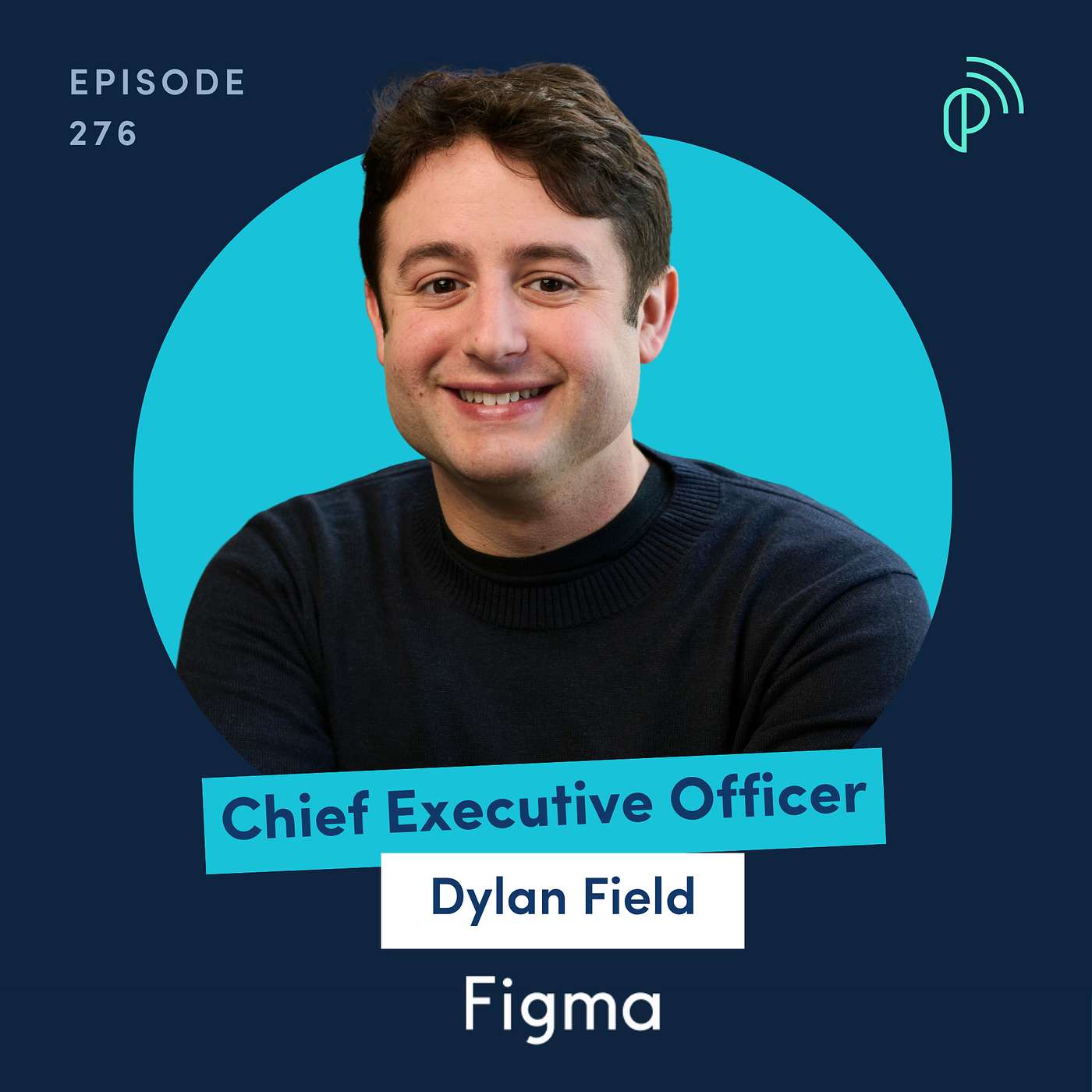
Don't just collect feedback from all users equally. Identify and listen closely to the few "visionary users" who intuitively grasp what's next. Their detailed feedback can serve as a powerful validation and even a blueprint for your long-term product strategy.

Instead of inventing new features, Prepared identified its most lucrative expansion opportunity by seeing users' painful workarounds. They noticed 911 dispatchers manually copy-pasting foreign language texts into Google Translate—a clear signal of a high-value problem they could solve directly.

Intentionally create open-ended, flexible products. Observe how power users "abuse" them for unintended purposes. This "latent demand" reveals valuable, pre-validated opportunities for new features or products, as seen with Facebook's Marketplace and Dating features.

Major product opportunities are revealed by observing how customers use your product in unintended ways or "jump through hoops" to achieve a goal. For example, Anthropic noticed non-engineers struggling to use their coding tool, revealing the latent demand for CoWork, a knowledge-work assistant.

Users often develop multi-product workarounds for issues they don't even recognize as solvable problems. Identifying these subconscious behaviors reveals significant innovation opportunities that users themselves cannot articulate.
Exposing your platform via a Model Consumable Platform (MCP) does more than enable integrations. It acts as a research tool. By observing where developers and LLMs succeed or fail when calling your API, you can discover emergent use cases and find inspiration for new, polished AI-native product features.

Identify how users are already "hacking" your product for unintended purposes (e.g., using Facebook Groups for commerce), then build dedicated features to serve that existing intent. You can't make people do new things, but you can help them do what they already want to do more easily.

Your audience will dictate your product roadmap if you listen. Porterfield's evolution was a direct response to customer feedback. They finished her webinar course and asked what to sell. They finished her product course and asked how to market it. The path to her flagship product was paved with their questions.

Instead of waiting for experience teams to request an API, platform teams should analyze top-level business goals and proactively propose services that unlock new use cases. This shifts the dynamic from a reactive service desk to a strategic partner.
