Get your free personalized podcast brief
We scan new podcasts and send you the top 5 insights daily.
Identify how users are already "hacking" your product for unintended purposes (e.g., using Facebook Groups for commerce), then build dedicated features to serve that existing intent. You can't make people do new things, but you can help them do what they already want to do more easily.

Related Insights
Your happiest, biggest customers are satisfied because your product already works for them. The most valuable insights for innovation and growth come from understanding your non-customers—the people not buying from you. Their unmet needs represent your largest untapped opportunities.

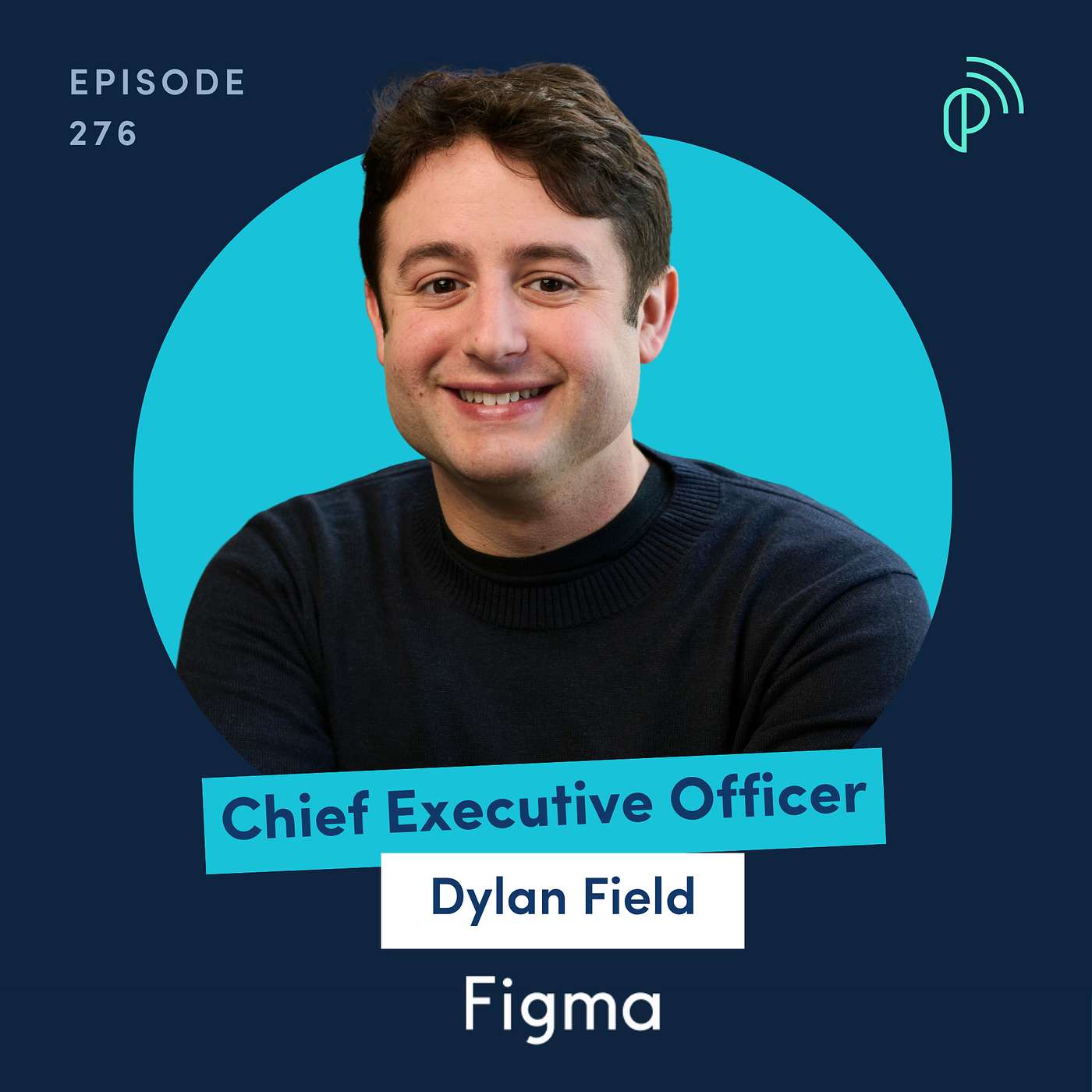
Figma's expansion into multiple products (FigJam, Slides) wasn't based on abstract strategy but on observing users pushing the main design tool to its limits for unintended use cases. Identifying these 'hacks' revealed validated market needs for dedicated products.
Instead of inventing new features, Prepared identified its most lucrative expansion opportunity by seeing users' painful workarounds. They noticed 911 dispatchers manually copy-pasting foreign language texts into Google Translate—a clear signal of a high-value problem they could solve directly.

Intentionally create open-ended, flexible products. Observe how power users "abuse" them for unintended purposes. This "latent demand" reveals valuable, pre-validated opportunities for new features or products, as seen with Facebook's Marketplace and Dating features.

Some of the largest markets address needs customers have completely given up on because no viable solution existed. This powerful latent demand is invisible if you only observe current activities. You must uncover the high-priority goals on their mental "to-do list" that they have quit trying to achieve.

Users often develop multi-product workarounds for issues they don't even recognize as solvable problems. Identifying these subconscious behaviors reveals significant innovation opportunities that users themselves cannot articulate.

Customers request specific features (supply), but this masks the true demand—the underlying problem they're trying to solve. Focusing on the 'why' behind the request leads to simpler, more effective solutions, like building a digest email instead of a complex 'advanced settings' page.
When handed a specific solution to build, don't just execute. Reverse-engineer the intended customer behavior and outcome. This creates an opportunity to define better success metrics, pressure-test the underlying problem, and potentially propose more effective solutions in the future.

Your audience will dictate your product roadmap if you listen. Porterfield's evolution was a direct response to customer feedback. They finished her webinar course and asked what to sell. They finished her product course and asked how to market it. The path to her flagship product was paved with their questions.

Innovation isn't random. Pampers' wetness indicator solves a clear problem: parents need to know if a diaper is wet, but the existing option (taking it off) is inefficient. By identifying this unavoidable task and its bad workaround, the exact shape for a winning new feature becomes clear.