Get your free personalized podcast brief
We scan new podcasts and send you the top 5 insights daily.
The true power of AI agents lies in creating a recursive feedback loop. By ingesting ad performance data, they can autonomously analyze what works, iterate on creative, and launch new versions, far outpacing human-led optimization cycles.

Related Insights
GenAI transforms advertising's core pillars. It enables hyper-personalized creatives at scale, democratizes ad production for smaller businesses, and fundamentally enhances the two most critical functions of any ad platform: predicting user behavior and measuring campaign outcomes.

The true power of AI in marketing is not generating more content, but improving its quality and effectiveness. Marketers should focus on using AI—trained on their own historical performance data—to create content that better persuades consumers and builds the brand, rather than simply adding to the noise.
The next wave of AI isn't just about single-function tools. It's about agents that act like team members, executing complex, multi-step tasks like competitor research, ad creation, and performance analysis based on a single prompt.
Developing a high-quality AI skill, like an "Ad Optimizer," is not as simple as writing a single prompt. It requires a laborious, iterative cycle of instructing, testing, analyzing poor outputs, and refining the instructions—much like training a human employee. This effort will become a key differentiator.
A powerful model for marketing automation involves an agent that not only posts content but also analyzes its performance across the entire funnel—from views down to app conversions. It then identifies successful patterns and generates new content based on those learnings, creating a self-improving engine.
Traditionally, creating variations of creative assets like ads or designs required significant time and cost. With AI, generating countless alternatives is nearly free. This allows marketers and creators to iterate endlessly on a promising idea, moving from "give me 5 options" to "give me 5 more based on this best one" repeatedly.

As AI democratizes ad creation, the key differentiator is no longer production capability. Instead, marketers who excel at creative prompting and use AI to maximize the speed of testing and learning will gain a significant competitive edge.
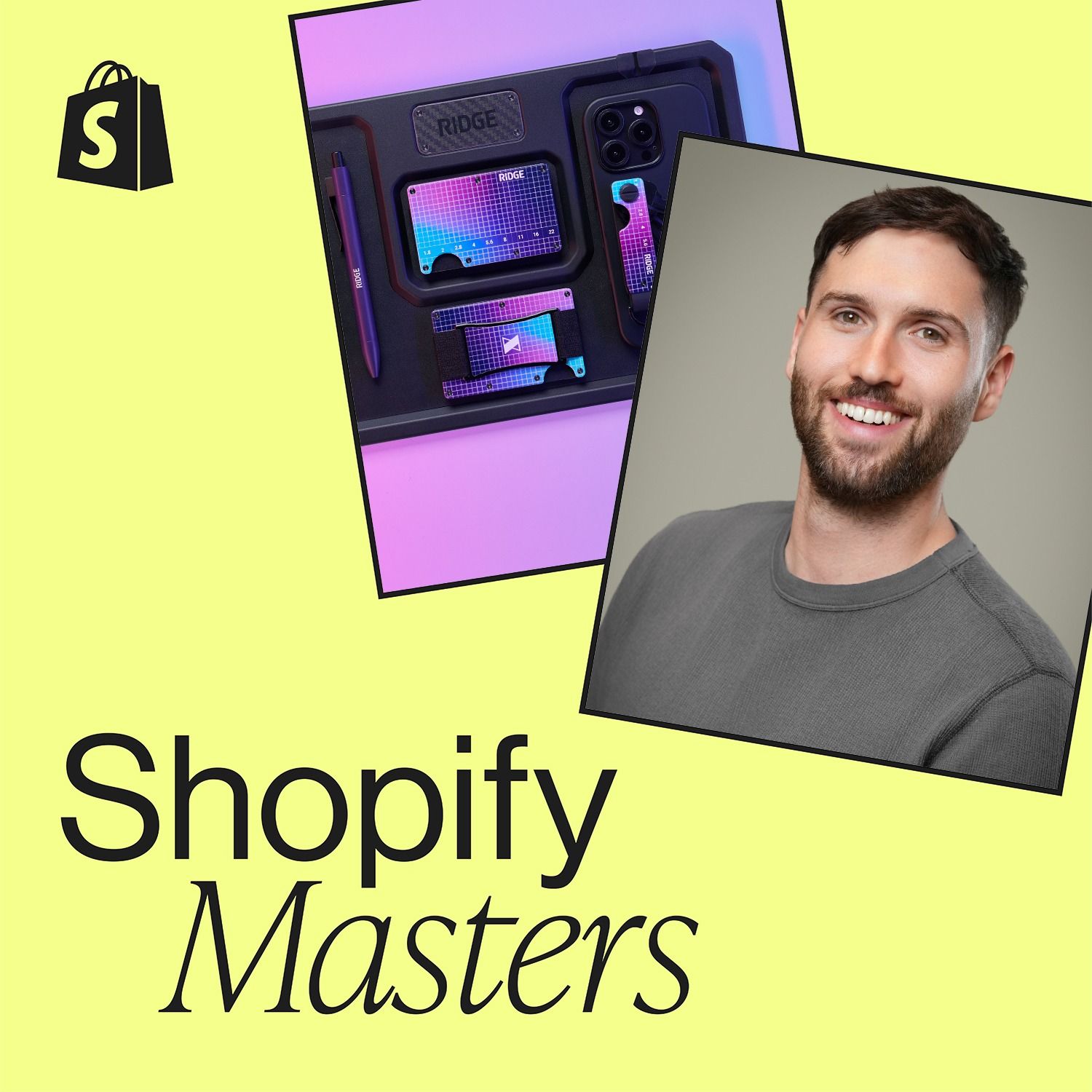
Ridge automates ad creation using a custom GPT and N8N, producing 500 static ads daily. Even if 90% are unusable, the remaining 50 ads provide a constant stream of testable creative, increasing the chances of finding winning variants for personalized campaigns at scale.
AI agents can continuously experiment with variables like subject lines, send times, and offers for each individual user. This level of granular, ongoing A/B testing is impossible to manage manually, unlocking significant performance lifts that compound over time.

Early AI adoption focused on idea generation and copy help. The next wave involves autonomous AI agents that execute tasks like creating webpages, optimizing campaigns, and auto-building reports, moving AI from a thought-partner to an active tool that 'does' the work.
