Get your free personalized podcast brief
We scan new podcasts and send you the top 5 insights daily.
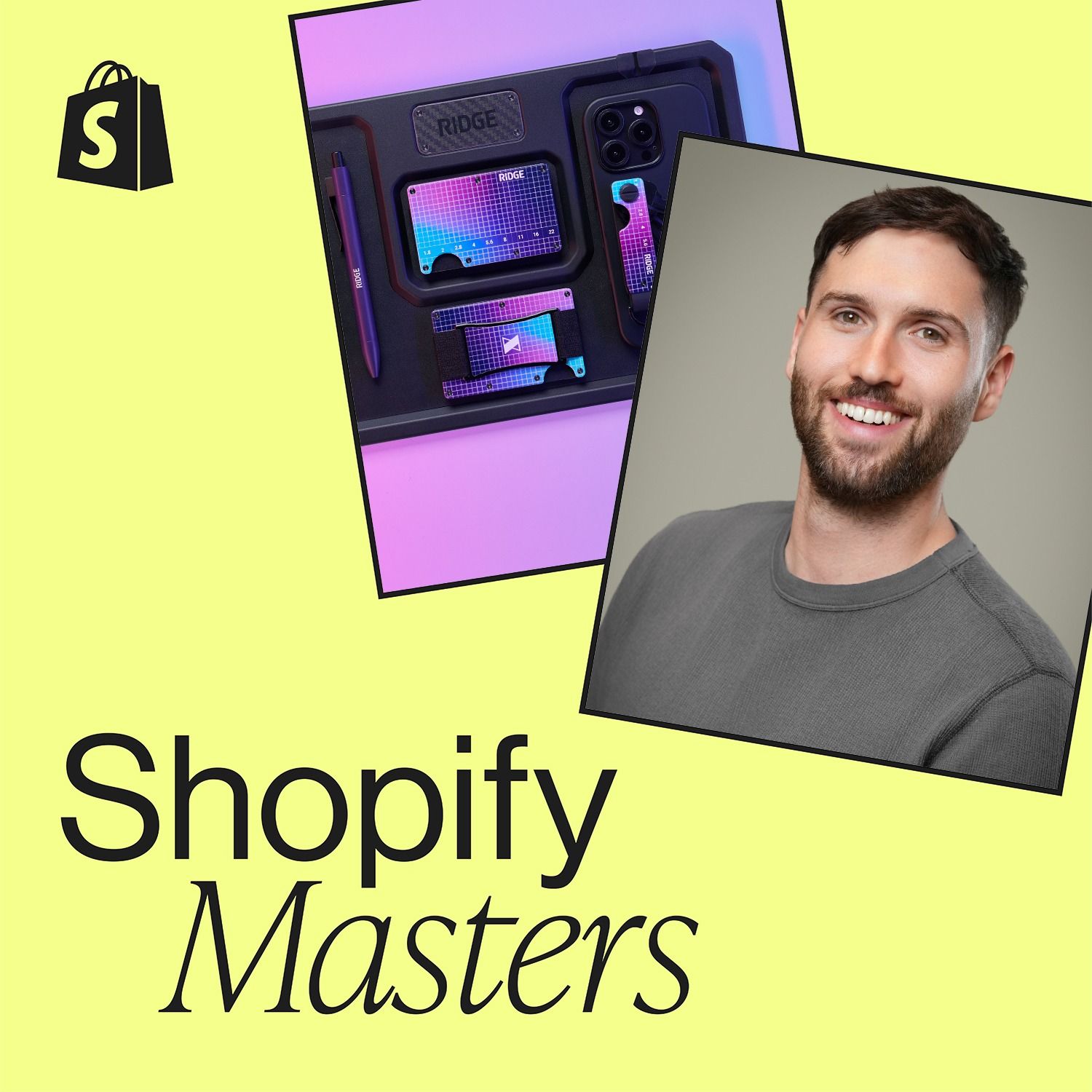
Ridge automates ad creation using a custom GPT and N8N, producing 500 static ads daily. Even if 90% are unusable, the remaining 50 ads provide a constant stream of testable creative, increasing the chances of finding winning variants for personalized campaigns at scale.
Related Insights
GenAI transforms advertising's core pillars. It enables hyper-personalized creatives at scale, democratizes ad production for smaller businesses, and fundamentally enhances the two most critical functions of any ad platform: predicting user behavior and measuring campaign outcomes.

The true power of AI in marketing is not generating more content, but improving its quality and effectiveness. Marketers should focus on using AI—trained on their own historical performance data—to create content that better persuades consumers and builds the brand, rather than simply adding to the noise.

Marketers should use AI-driven insights at the beginning of the creative process to inform campaign strategy, rather than solely at the end for performance analysis. This approach combines human creativity with data to create more resonant campaigns and avoid generic AI-generated content.

Acknowledging that "relevance" is subjective shouldn't lead to creating generic, one-size-fits-all campaigns. Instead, it demands a high-volume creative strategy that produces dozens of distinct assets, each tailored to be hyper-relevant to a specific consumer segment or "demand state."

AI agents can continuously experiment with variables like subject lines, send times, and offers for each individual user. This level of granular, ongoing A/B testing is impossible to manage manually, unlocking significant performance lifts that compound over time.

Instead of asking an AI tool for creative ideas, instruct it to predict how 100,000 people would respond to your copy. This shifts the AI from a creative to a statistical mode, leveraging deeper analysis and resulting in marketing assets (like subject lines and CTAs) that perform significantly better in A/B tests.

At Perplexity, the brand team's strategy is to use AI tools for 'velocity and volume,' according to VP of Design Henry Modiset. This allows a small team to produce a massive amount of creative assets, making the brand feel ubiquitous and loud in the market without a huge budget.

For products where A/B testing lacks signal, Resident uses a robust naming protocol and AI to analyze creative elements in aggregate. They tag attributes like room color, music BPM, and even mattress angle to identify winning trends across all ads, bypassing the need for direct tests.

The best use of pre-testing creative concepts isn't as a negative filter to eliminate poor ideas early. Instead, it should be framed as a positive process to identify the most promising concepts, which can then be developed further, taking good ideas and making them great.
AI tools can drastically increase the volume of initial creative explorations, moving from 3 directions to 10 or more. The designer's role then shifts from pure creation to expert curation, using their taste to edit AI outputs into winning concepts.