Get your free personalized podcast brief
We scan new podcasts and send you the top 5 insights daily.
Camp connects rising youth fragility to hyper-protective parenting that eliminates unsupervised independence. When parents monitor older adolescents via tracking apps and solve institutional hurdles—such as communicating with college professors on their behalf—they infantilize their children. Without opportunities to resolve logistical and social problems alone during adolescence, young adults enter adulthood convinced they are incapable of basic self-reliance.

Related Insights
Extending childhood and constraining teenagers with rigid rules and low expectations stifles their potential. Historically, 14-16 year olds were given significant responsibility. Trusting them with autonomy unlocks their drive and can prevent rebellious behavior that stems from a restrictive environment.
Young employees' perceived lack of resilience isn't a generational flaw but a result of parenting that shielded them from hardship. The decline of teenagers working difficult, blue-collar summer jobs has created adults who are less prepared for the realities of the workplace.

A significant modern problem is parents using tracking apps on their adult children, often enabled by financial dependence. This prevents young adults, particularly men, from achieving true independence. Becoming a self-sufficient adult requires breaking free from this digital and financial tether.
The mere presence of an adult shifts responsibility away from children. They come to expect adults to enforce safety and solve conflicts, which discourages them from developing their own problem-solving skills, risk assessment, and self-reliance.
The ability to navigate the college application process independently is a key indicator of a student's readiness for higher education. While parental help may improve outcomes, it undermines the development of essential confidence and self-reliance.

Parents who endured hardship often over-protect their children to give them the life they never had. This well-intentioned approach can rob children of the safe, necessary struggles required to build resilience, potentially creating their generation's primary challenge.

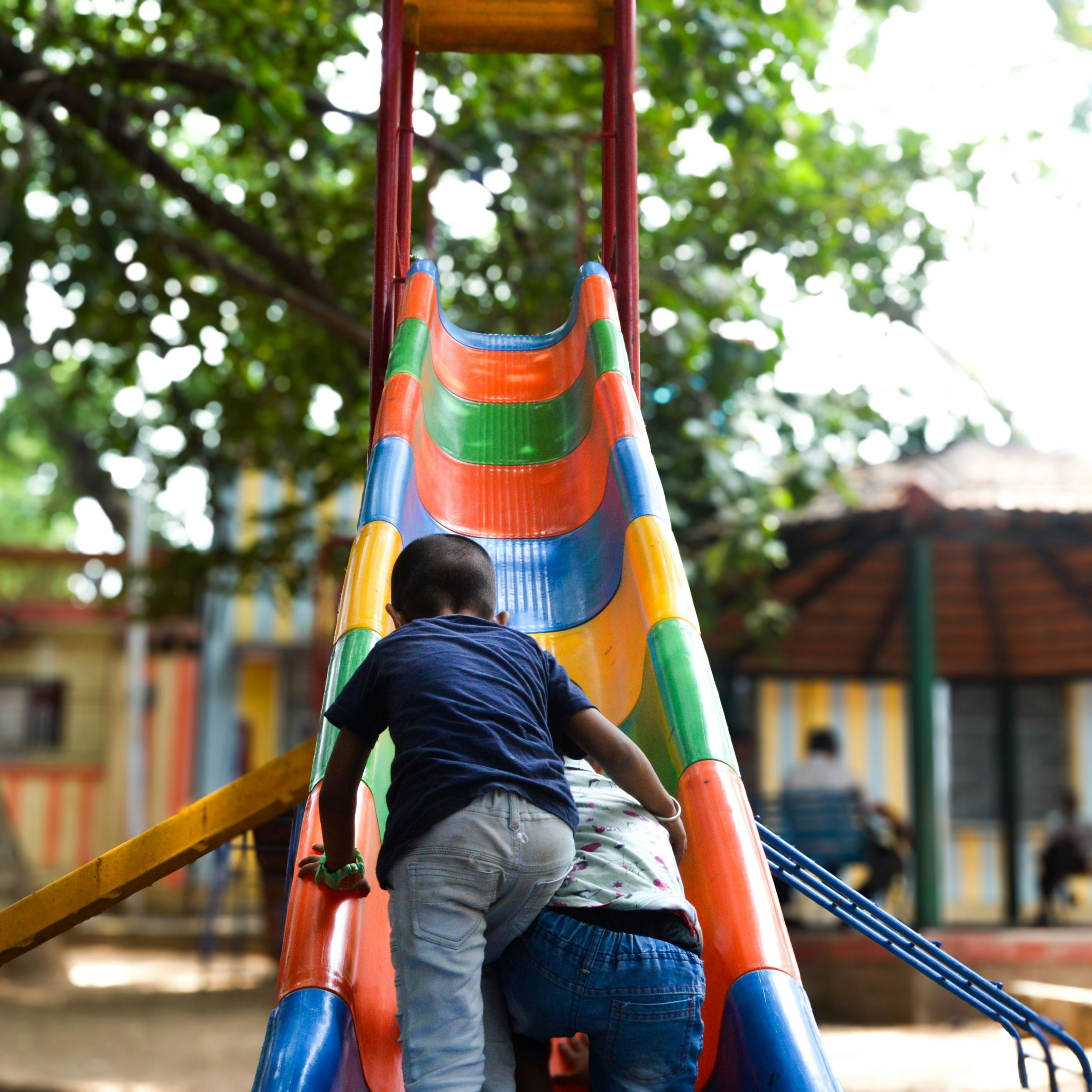
The rise of 'helicopter parenting'—driven by high-profile but statistically rare media stories—has stripped childhood of unstructured, challenging experiences. Without facing minor physical and social risks (like playground fights), younger generations perceive intellectual disagreements as severe threats, leading to higher anxiety and depression.

Well-intentioned parents who intervene in their adult children's careers—such as helping negotiate salaries—actively prevent them from experiencing necessary struggles. This robs them of the chance to develop the mental fortitude and self-reliance required for long-term success.

Much of teenage rebellion is a reaction to being infantilized and trapped in 'fake' school games. When teens are given real responsibilities and trusted like adults—such as starting a company—the conflict often dissipates.

Shaka Senghor introduces the concept of "well-intended prisons"—actions that seem helpful but are actually restrictive. A helicopter parent, for example, thinks they are protecting their child but is actually preventing them from developing resilience and making their own choices.