Get your free personalized podcast brief
We scan new podcasts and send you the top 5 insights daily.
The ability to navigate the college application process independently is a key indicator of a student's readiness for higher education. While parental help may improve outcomes, it undermines the development of essential confidence and self-reliance.

Related Insights
Young employees' perceived lack of resilience isn't a generational flaw but a result of parenting that shielded them from hardship. The decline of teenagers working difficult, blue-collar summer jobs has created adults who are less prepared for the realities of the workplace.

To raise children who thrive outside "the system," parents must shift from preventing failure to encouraging resilience. This means getting kids comfortable with losing through competition, de-emphasizing grades, and prioritizing work ethic and real-world experience over trophies.
A study of graduates from Sudbury Valley School, where students direct their own learning without grades, found they succeed in college. Lacking a traditional academic background was less important than the self-reliance, problem-solving skills, and personal responsibility they had developed.
In the hyper-competitive college admissions "arms race," many parents hire consultants not because they believe it's ideal, but out of fear. They feel they cannot unilaterally disarm when their child is competing against others using every available advantage.
The decision for a child to attend college, especially if it involves taking on debt, should not be dictated by parents who aren't funding it. The person paying for the experience gets to influence the decision. Parents pushing their kids into debt for their own social validation are acting selfishly.
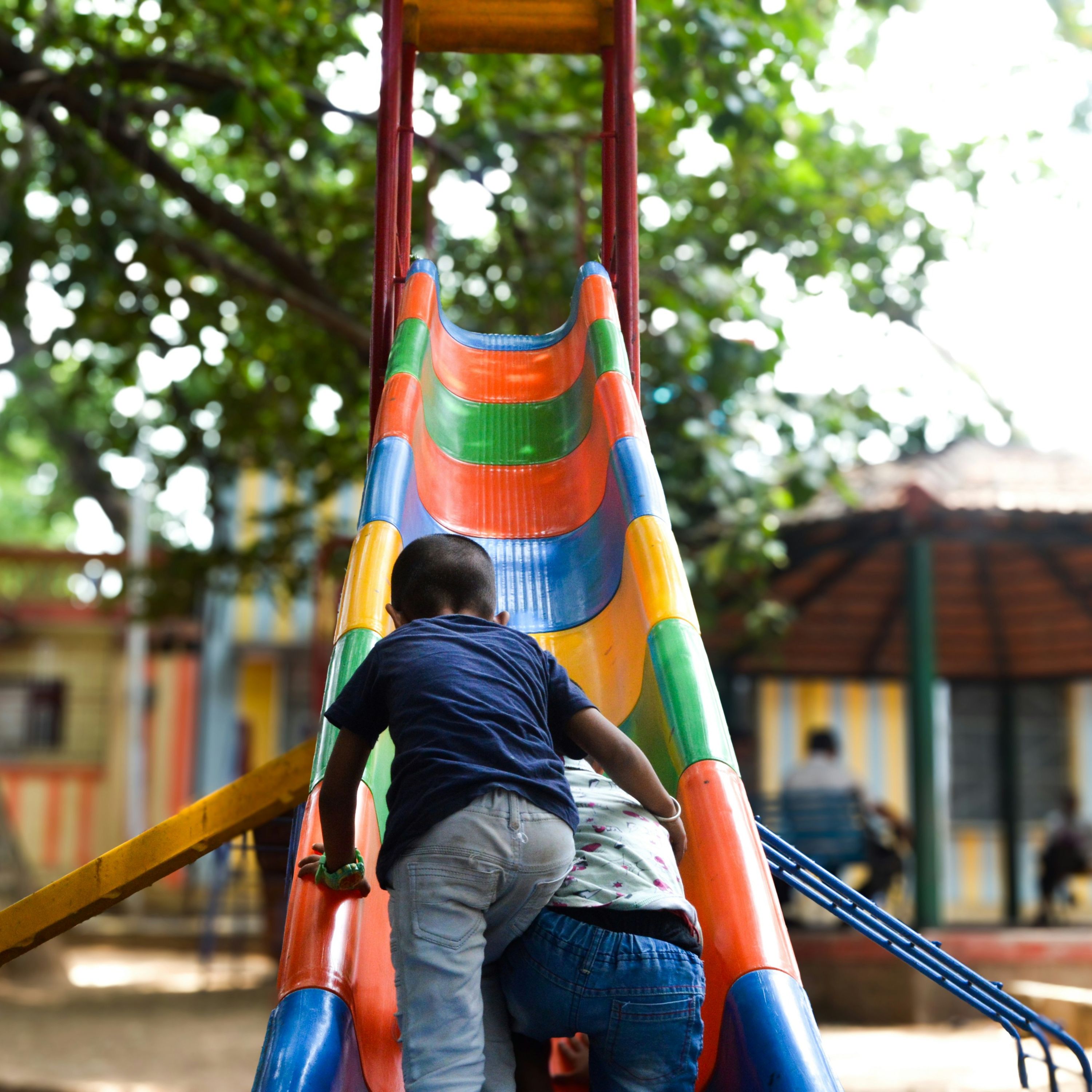
The mere presence of an adult shifts responsibility away from children. They come to expect adults to enforce safety and solve conflicts, which discourages them from developing their own problem-solving skills, risk assessment, and self-reliance.
In an era where any subject can be learned online, the main function of college is providing a structured, semi-independent environment for young adults. It serves as a social transition between living under parental rule and entering the professional world, a role disconnected from its academic purpose.

While well-intentioned, attending every single school recital or sports game can create unrealistic expectations for children. Occasionally missing an event teaches resilience, adaptability, and the reality that life sometimes gets in the way, better preparing them for adulthood.
Housel bypassed traditional high school for competitive skiing, gaining autonomy and real-world skills. He argues this prepared him better for college and life than a standard academic path, as he was more mature and intrinsically motivated when he finally chose to learn.
![[REPLAY] Morgan Housel – The Psychology of Money (Capital Allocators, EP.155) thumbnail](https://static.libsyn.com/p/assets/f/b/7/6/fb76e1c8bfb69e8dd959afa2a1bf1c87/CA_Square_logo_light_background_6.26.24.jpg)
To develop a child's patience and ability to manage expectations, a parent can strategically delay fulfilling their requests. This real-world version of the famous "marshmallow test" trains the skill of delayed gratification, which is linked to long-term success and self-control.
