Get your free personalized podcast brief
We scan new podcasts and send you the top 5 insights daily.
Granolah's design philosophy is for its AI to be a 'handrail.' Like the rail on a staircase, the product should be unobtrusive and nearly invisible during normal use. Its true value is realized only in the critical moment of need—when you 'trip'—by being instantly available and reliable.

Related Insights
Users rarely seek out separate AI functionality. Adoption becomes natural when AI assistance appears contextually within existing workflows, addressing friction points directly where the user is already working. This embedded approach is far more effective than adding AI as a separate, layered-on tool.
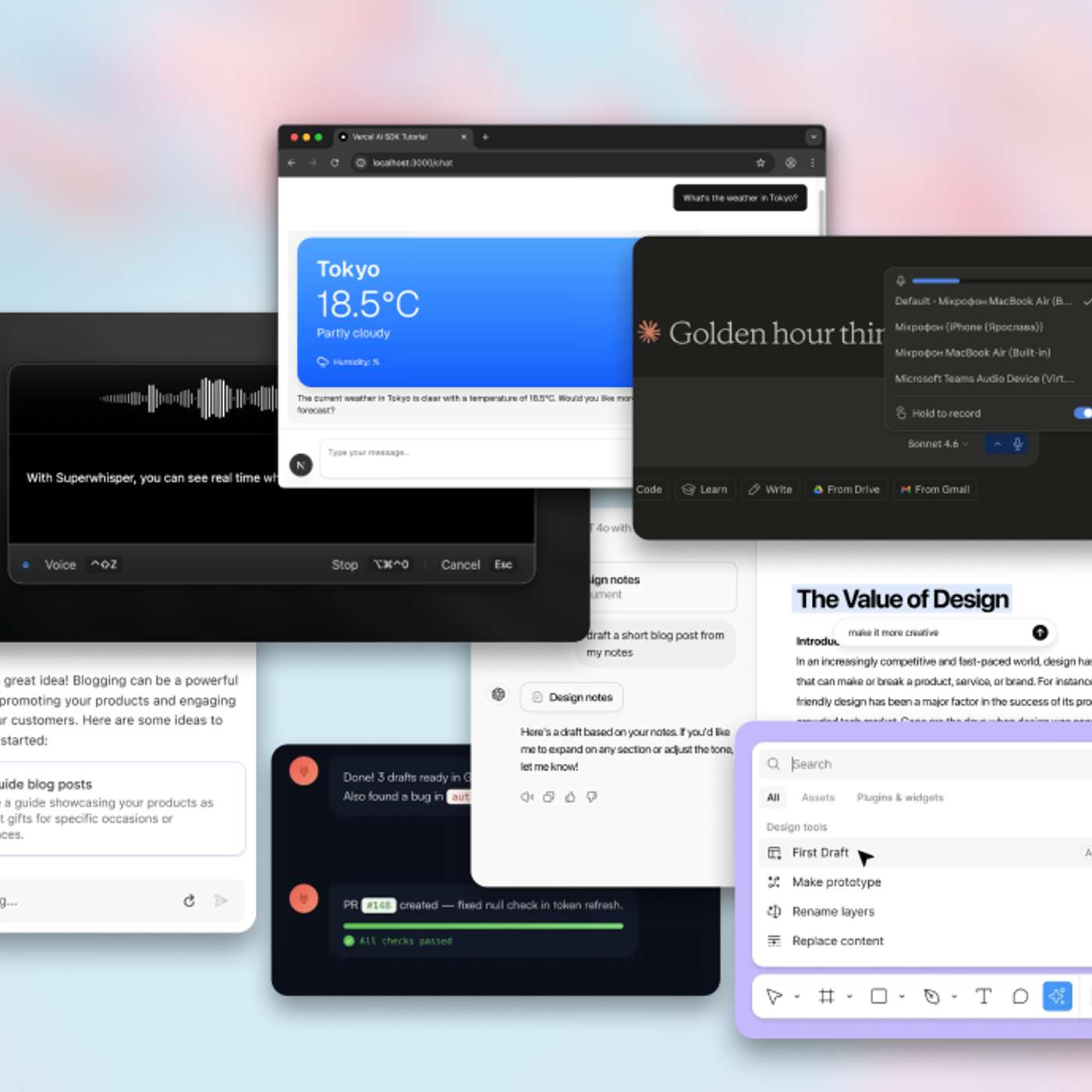
Don't feel pressured to label every AI-powered enhancement as an "AI feature." For example, using AI to generate CSS for a new dark mode is simply a better way to build. The focus should be on the user benefit (dark mode), not the underlying technology, making AI an invisible, powerful tool.

In an agentic world, the core AI model becomes a commodity. The defensible product is the curated experience layer built on top of it—the guardrails, instructions, and personality that define the user interaction and differentiate the offering.

Grammarly's new agent is designed around three attributes: it works everywhere, it proactively offers help, and it's connected to user data across platforms. This trifecta creates a powerful, integrated user experience that feels seamless and intelligent.

Kraftful built a complex system with six AI agents but never exposed this to users. Its success came from hiding the AI and focusing relentlessly on delivering simple insights that solved a specific user problem, proving users care about outcomes, not the underlying tech.

The most effective application of AI isn't a visible chatbot feature. It's an invisible layer that intelligently removes friction from existing user workflows. Instead of creating new work for users (like prompt engineering), AI should simplify experiences, like automatically surfacing a 'pay bill' link without the user ever consciously 'using AI.'

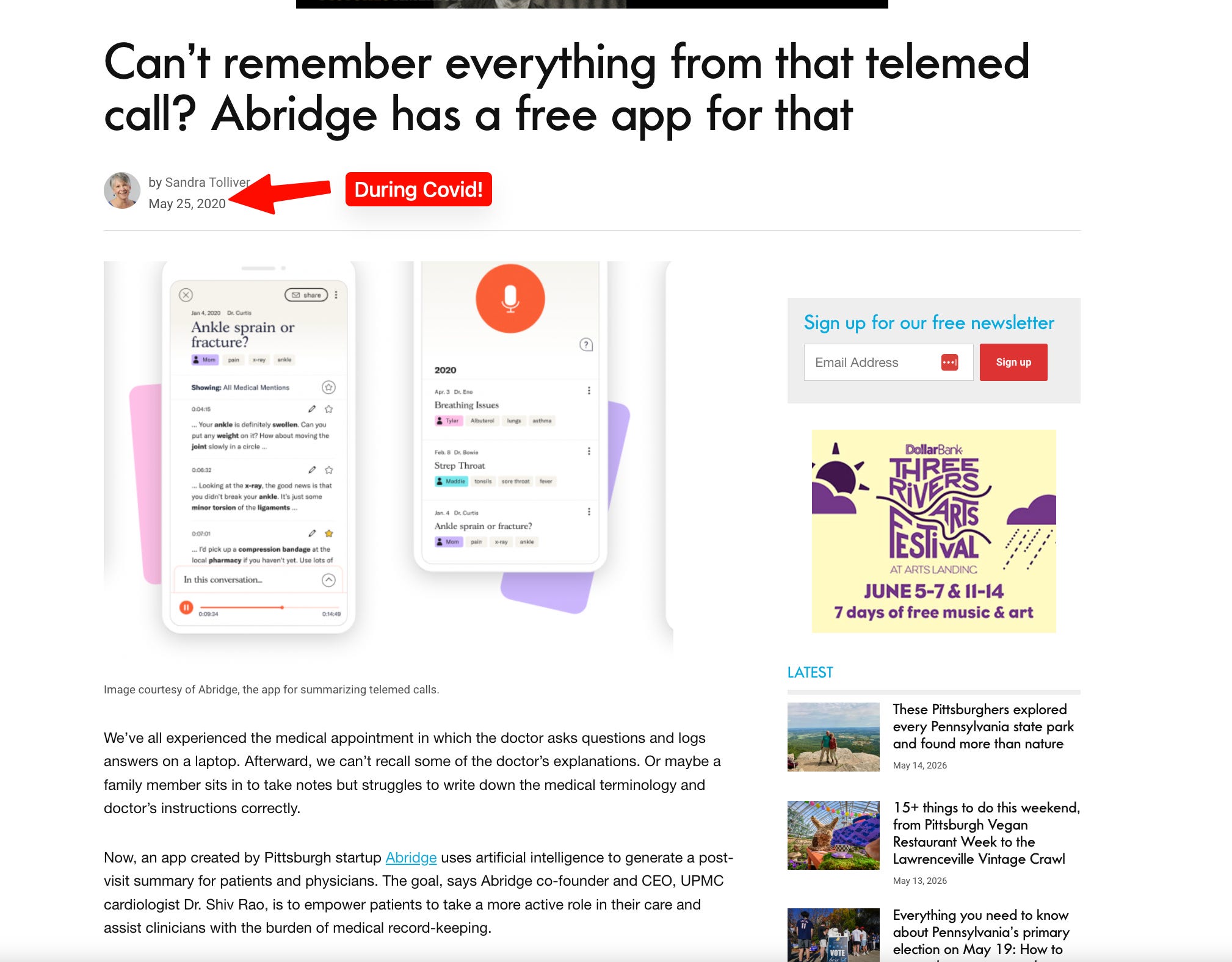
To avoid the "alert fatigue" common in medical software, Abridge's product philosophy is for its AI to be proactive, not reactive. It works seamlessly in the background to prepare clinicians before visits, rather than interrupting them with constant alerts during patient conversations, making the experience helpful but unobtrusive.
Descript's design principle for its AI agent, Underlord, is that it can't do anything a human user can't, and vice versa. This frames the AI as a true collaborator within the existing product interface, not a separate entity with special powers.

Traditional browsers are invisible 'taxis' that get users from A to B. AI browsers can act as proactive 'tour guides.' The core product design challenge is to provide this valuable guidance without becoming an intrusive, annoying intermediary that violates user expectations of a direct interface to the web.

Designing for AI is less about crafting pixel-perfect UIs in Figma and more about creating the underlying system or "harness." This involves enabling the agent to perform long-running tasks, verify its own work, and operate effectively within technical constraints, which is where the real design work lies.