Get your free personalized podcast brief
We scan new podcasts and send you the top 5 insights daily.
Neuroscience research shows that gaining power diminishes activity in mirror neurons, the brain's empathy centers. This is not a metaphor; your boss may become neurologically less capable of understanding your perspective after being promoted.

Related Insights
Neuroscience shows that individuals in high-power positions exhibit reduced motor resonance when observing others. This is a measurable neural change indicating diminished automatic empathy, not just a metaphorical shift in attitude or a conscious choice.
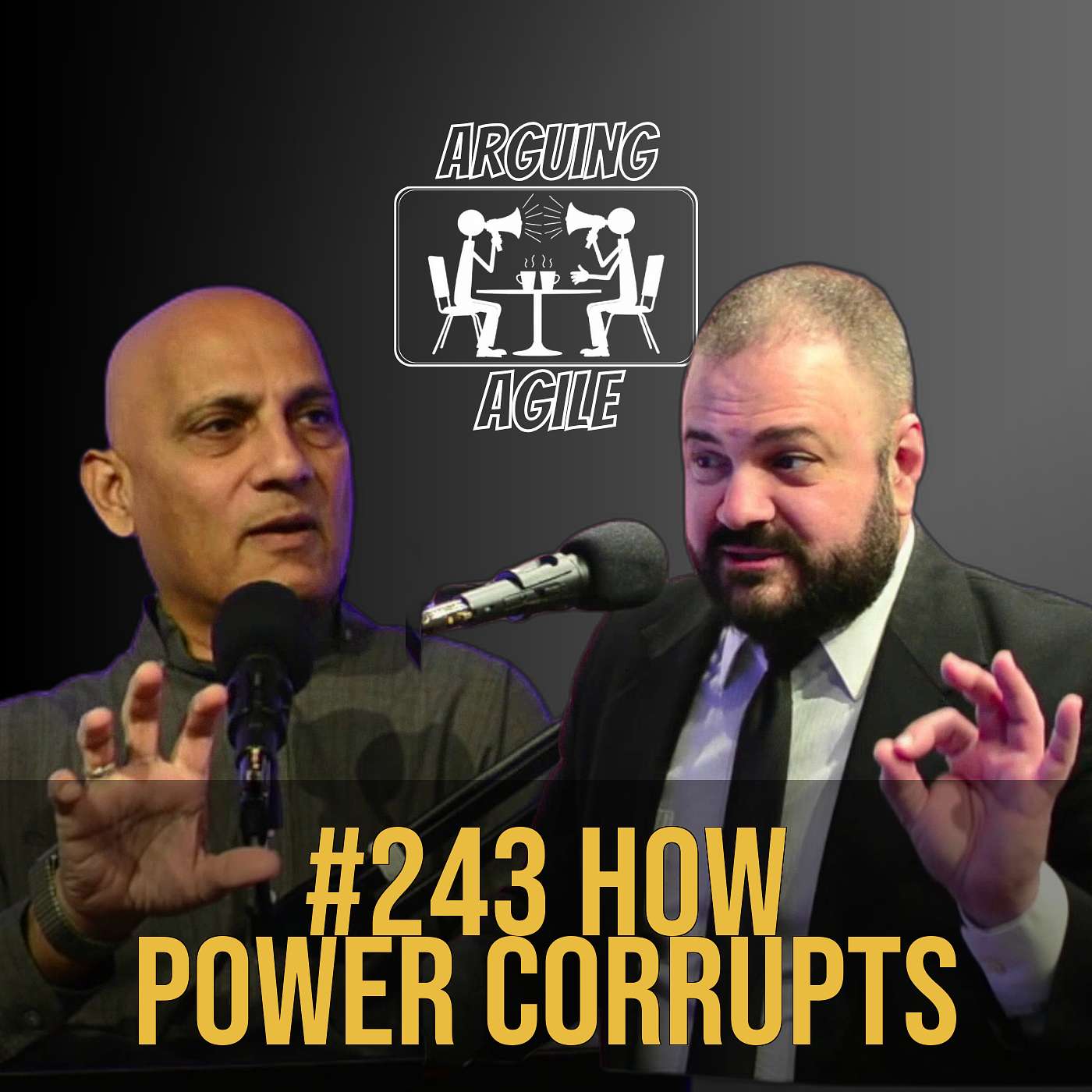
Contrary to the popular belief that power corrupts, research suggests it acts as an amplifier. If a person is already "pro-social"—oriented towards helping others—power can increase their empathy and effectiveness. If they are selfish, power will magnify those negative traits.
Brené Brown distinguishes two types of empathy. Cognitive empathy (understanding and validating feelings) is a core leadership skill. Affective empathy (taking on others' emotions) is counterproductive and leads to burnout. Leaders must practice the former and avoid the latter.

A leader's emotional state isn't just observed; it's physically mirrored by their team's brains. This neurological "energy transference" sets the tone for the entire group, meaning a leader's unmanaged stress can directly infect team dynamics and performance.

Since power naturally diminishes empathy, leaders must create formal systems to stay grounded. These include mandatory perspective checks with trusted truth-tellers and structural check-ins with those most affected by their decisions to maintain calibration with reality.
The U.S. military discovered that leaders with an IQ more than one standard deviation above their team are often ineffective. These leaders lose 'theory of mind,' making it difficult for them to model their team's thinking, which impairs communication and connection.

Research indicates individuals with lower socioeconomic status have higher empathetic accuracy because their survival often depends on reading social cues. As leaders ascend financially and socially, this "empathy muscle" atrophies from disuse, creating an emotional and experiential divide with their teams.
Leaders are often insulated from the daily operational friction their teams face. This creates an illusion that tasks are simple, leading to impatience and unrealistic demands. This dynamic drives away competent employees who understand the true complexity, creating a vicious cycle.

As you gain power, people are less likely to challenge you. This makes it easier to be brutally "honest" but requires conscious effort to remain kind, as you no longer receive the social feedback that moderates behavior.

Leaders with high status often experience "advantage blindness," causing them to misjudge their own approachability and overestimate how comfortable their teams feel speaking up. They project their own ease of communication onto others, creating a dangerous "optimism bubble" where critical feedback is missed.