Get your free personalized podcast brief
We scan new podcasts and send you the top 5 insights daily.
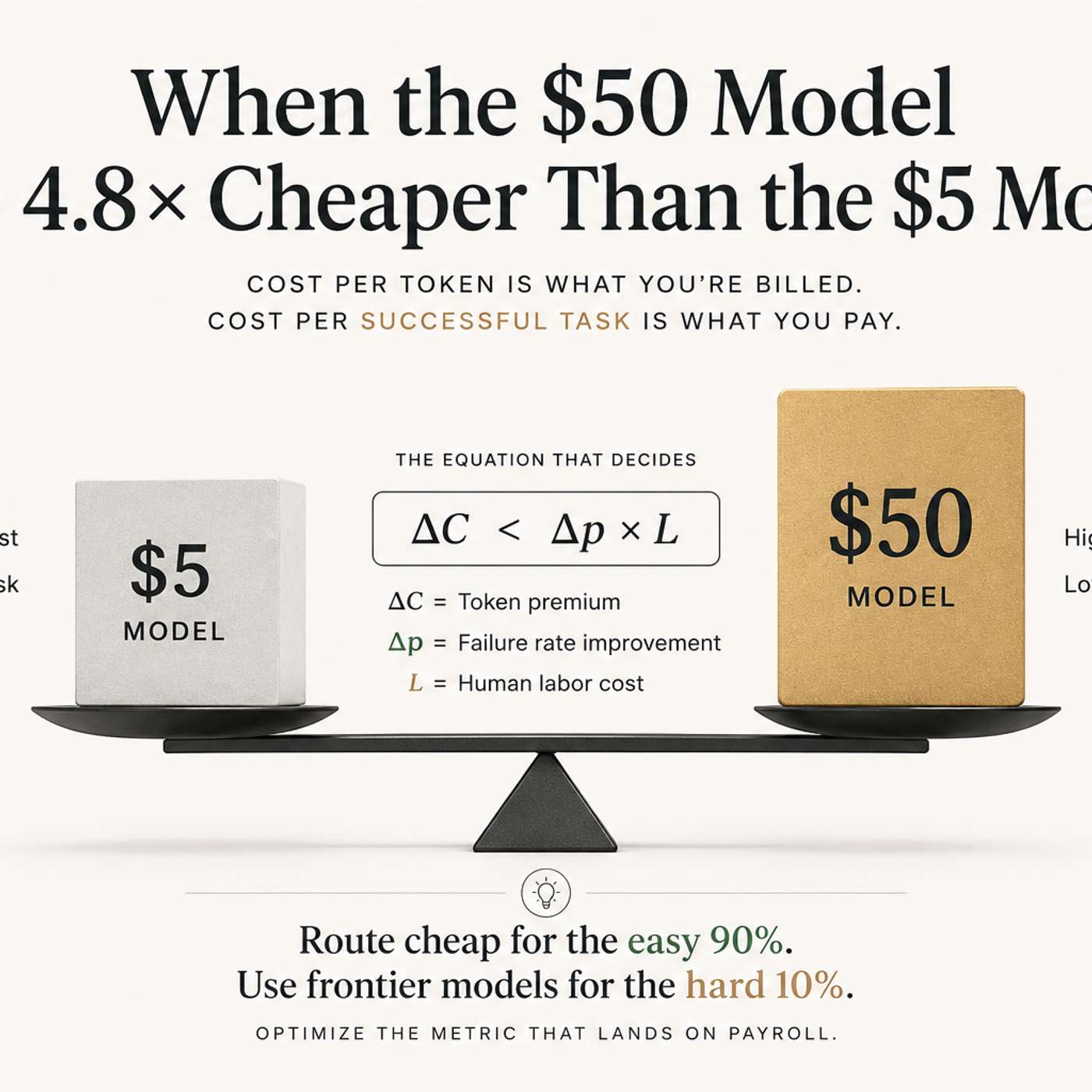
A powerful AI workflow involves using cheap, 24/7 local models for high-volume, initial-pass tasks like finding potential security issues. These 'qualified leads' are then batched and sent to a powerful frontier model like Claude for the final, high-quality analysis.

Related Insights
Don't use your most powerful and expensive AI model for every task. A crucial skill is model triage: using cheaper models for simple, routine tasks like monitoring and scheduling, while saving premium models for complex reasoning, judgment, and creative work.

To provide high-quality AI insights in real-time without prohibitive costs, Abridge employs a "fast and slow" thinking approach. It uses a constellation of models, where a cheaper, faster model first triages a situation and then hands off complex tasks to a more powerful, expensive model only when necessary.
Advanced AI architectures will use small, fast, and cheap local models to act as intelligent routers. These models will first analyze a complex request, formulate a plan, and then delegate different sub-tasks to a fleet of more powerful or specialized models, optimizing for cost and performance.
Relying solely on premium models like Claude Opus can lead to unsustainable API costs ($1M/year projected). The solution is a hybrid approach: use powerful cloud models for complex tasks and cheaper, locally-hosted open-source models for routine operations.
Instead of relying on a single large AI model, companies are adopting "model orchestration" to control costs. This involves using a router to send prompts to the most appropriate model based on the task, often cascading from cheap, small models to more expensive ones only when necessary.

Companies are building intelligent systems that analyze a user's prompt and automatically route it to the most cost-effective model that can handle the task. This avoids using expensive frontier models for simple requests, with some companies like Coinbase successfully keeping costs flat despite exponential usage growth.

To optimize costs, users configure powerful models like Claude Opus as the 'brain' to strategize and delegate execution tasks (e.g. coding) to cheaper, specialized models like ChatGPT's Codec, treating them as muscles.
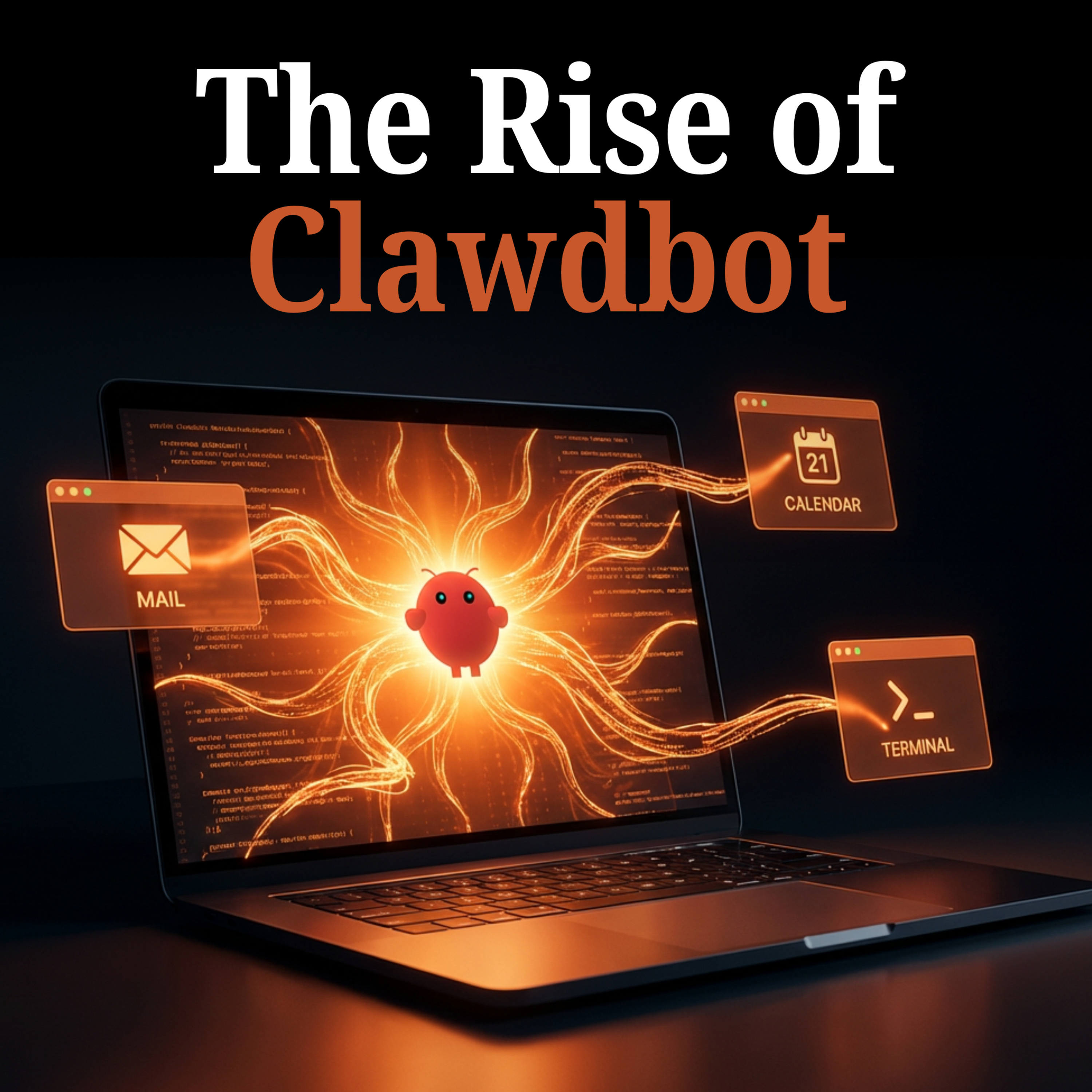
A hybrid approach to AI agent architecture is emerging. Use the most powerful, expensive cloud models like Claude for high-level reasoning and planning (the "CEO"). Then, delegate repetitive, high-volume execution tasks to cheaper, locally-run models (the "line workers").
Instead of costly, constant monitoring by a large AI, an effective security model uses small, specialized 'intuition' models. These models' sole job is to flag suspicious actions for review by a more powerful AI, optimizing for cost, latency, and performance.

An optimal AI architecture routes tasks to different models based on complexity and risk. Simple, low-stakes work like data extraction should go to the cheapest models. Ambiguous, high-stakes work like system design warrants expensive frontier models, where preventing one engineering mistake justifies the premium token cost.