Get your free personalized podcast brief
We scan new podcasts and send you the top 5 insights daily.
Frustrated by the $1,200 cost of sous vide machines, Scott Heimendinger created a $75 DIY version. Sharing the instructions online went viral, proving a massive market demand and leading directly to him co-founding his first startup, Sansaire.

Related Insights
Michael Dubin didn't conduct market research; he found his business opportunity in his personal annoyance with the high cost and inconvenient process of buying razors from a locked case. This shows that powerful business ideas often hide in plain sight as everyday frustrations.

Frustrated by subjective chef's knife reviews, Scott Heimendinger built a robotic test rig with force sensors to gather objective performance data. He then open-sourced the data, creating a new benchmark and powerful marketing asset for his own product.
Elix founder Lulu Ge launched a beta test called "#periodpainfree" with basic packaging. This allowed her to gauge real-world demand from strangers online before committing resources to a full brand launch, proving the concept's viability cheaply and effectively.
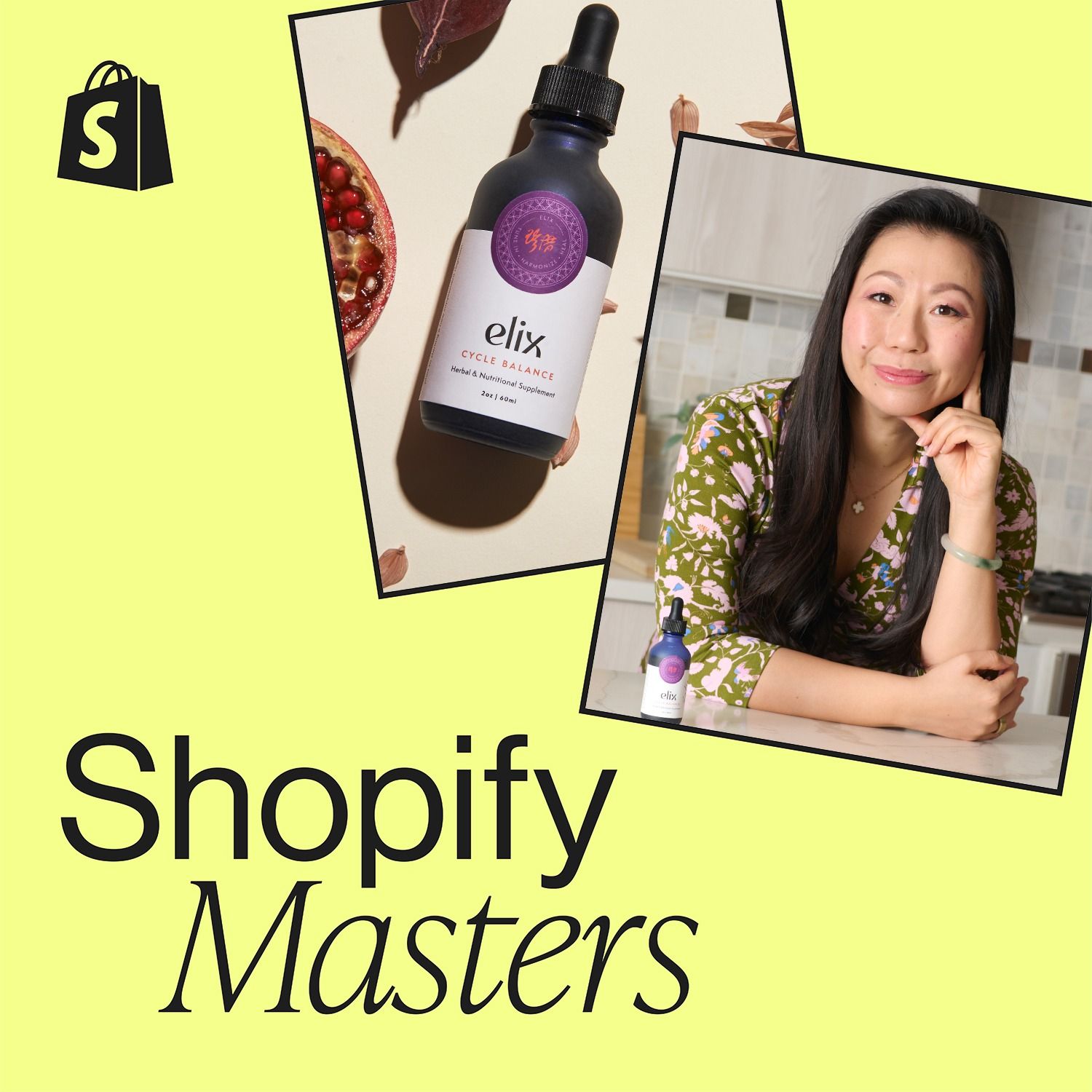
Instead of searching for a market to serve, founders should solve a problem they personally experience. This "bottom-up" approach guarantees product-market fit for at least one person—the founder—providing a solid foundation to build upon and avoiding the common failure of abstract, top-down market analysis.

Before raising significant capital or manufacturing its product, Liquid Death's founder created a fake brand on Facebook. A $1,500 commercial generated millions of views and tens of thousands of followers, proving market demand and de-risking the venture for early investors.

Validate startup ideas by building the simplest possible front end—what the customer sees—while handling all back-end logistics manually. This allows founders to prove customers will pay for a concept before over-investing in expensive technology, operations, or infrastructure.

Replace speculative feedback from discovery calls with a process that would be "weird if it didn't work." First, get strangers to pre-pay for a solution. Then, deliver it manually. This confirms real demand (payment) and validates the solution's value (retention) before writing code.

Crisp.ai's founder advocates for selling a product before it's built. His team secured over $100,000 from 30 customers using only a Figma sketch. This approach provides the strongest form of market validation, proving customer demand and significantly strengthening a startup's position when fundraising with VCs.
Validate market demand by securing payment from customers before investing significant resources in building anything. This applies to software, hardware, and services, completely eliminating the risk of creating something nobody wants to buy.

A powerful, low-cost way to validate demand is to cold message thousands of potential users on platforms like Facebook groups. Crucially, ask for a small payment upfront (e.g., $20). This filters out polite but non-committal interest, providing a strong signal of genuine need and willingness to pay.
