Get your free personalized podcast brief
We scan new podcasts and send you the top 5 insights daily.
While sharing testimonials on your own profile is standard practice, asking a satisfied client to write a post about their experience working with you is far more powerful. This provides authentic, third-party validation and leverages their network for credibility.

Related Insights
In a noisy, low-trust market, referrals are the fastest way to build credibility. Don't just ask passively; actively build a tight-knit circle of customers and peers where you mutually act as 'Yelp reviews' for each other to generate business.

We are most influenced by people like ourselves. Instead of general popularity claims like '10,000 users,' specify how many customers are in the user's specific state or city. This tailored social proof creates a much stronger connection and is more persuasive.

To overcome the high trust barrier of accessing user emails, Fixer identified early customers with large LinkedIn followings. They invested heavily in supporting these users, then asked them to post about their experience, effectively borrowing their credibility to acquire new customers.

Instead of only featuring top-tier testimonials, conduct daily interviews with current members at various stages of success. Showcasing people who have just reached 50 or 100 subscribers—not just those who made millions—makes success feel more achievable and allows a wider range of prospects to see themselves in your program.

Eddie Schleiner grew his newsletter by offering backlinks in exchange for testimonials. This created an overwhelming wall of social proof on his homepage, establishing instant credibility and attracting subscribers and clients, much like a product with thousands of five-star reviews on Amazon.
Generic social proof like "1 million customers" is minimally effective. The key is to tailor the message to the user's identity. We are most influenced by people like ourselves, so messages like "other doctors in Sydney" or "your neighbors" have a much stronger impact.

In its first six months, Alave's most effective marketing was incredibly simple: screenshotting every positive customer review from texts or DMs and posting them to Instagram Stories. This relentless stream of user-generated testimonials provided powerful, low-cost social proof that drove initial sales and built trust.
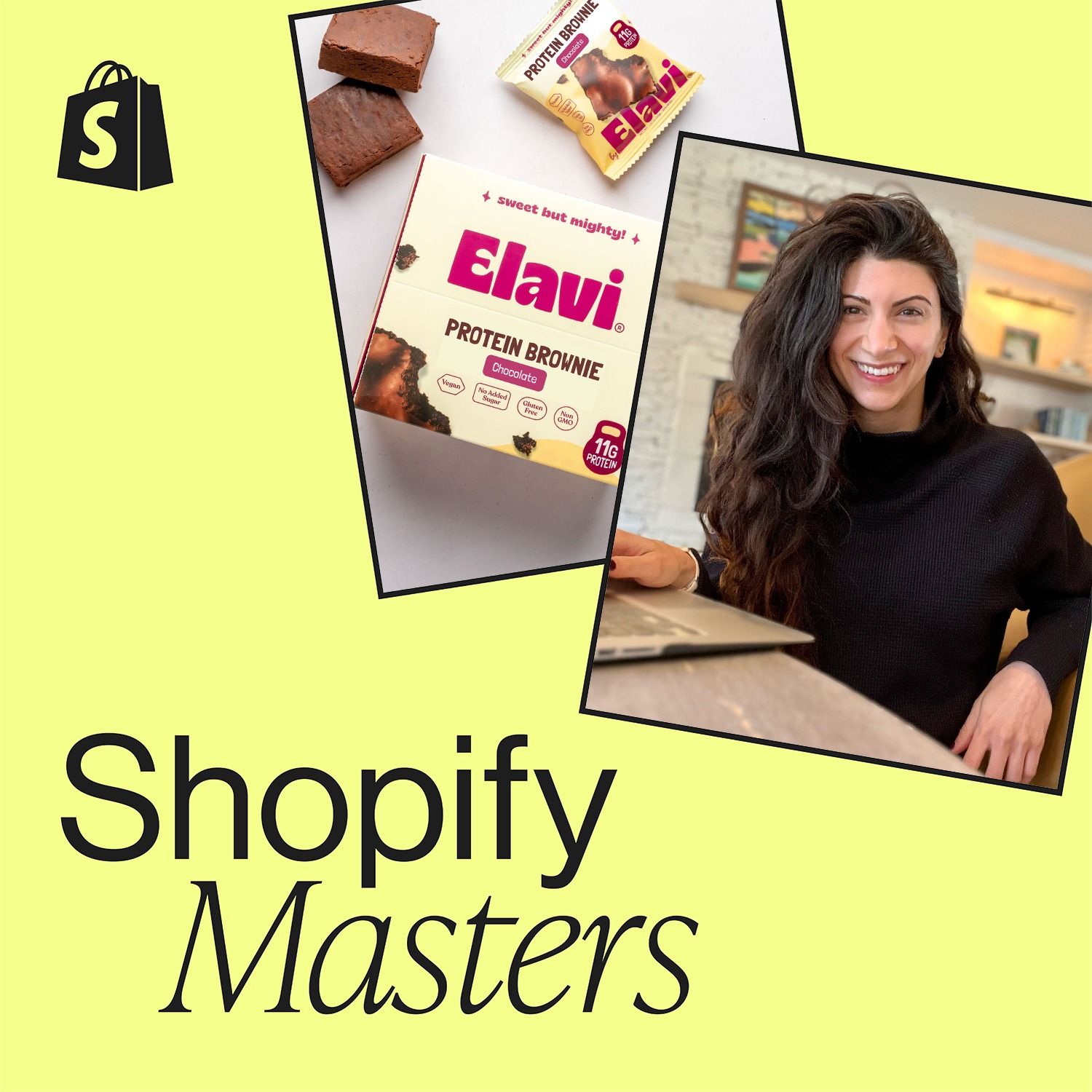
B2B marketers default to polished case studies, underestimating the power of raw, authentic customer reviews. Reviews provide an emotional connection and a sense of "realness" that resonates with buyers who are still people, not just faceless stakeholders.

The primary barrier for new businesses is a lack of proof. It's more efficient to offer your service for free to 10 clients in exchange for testimonials. This social proof dramatically shortens the sales cycle and builds momentum for acquiring the first real paying customers.

The most credible salesperson is a former client who successfully used your service to grow their own business in your target industry. Their story becomes an authentic, built-in testimonial during the sales pitch, creating instant trust and rapport with prospects.
