Get your free personalized podcast brief
We scan new podcasts and send you the top 5 insights daily.
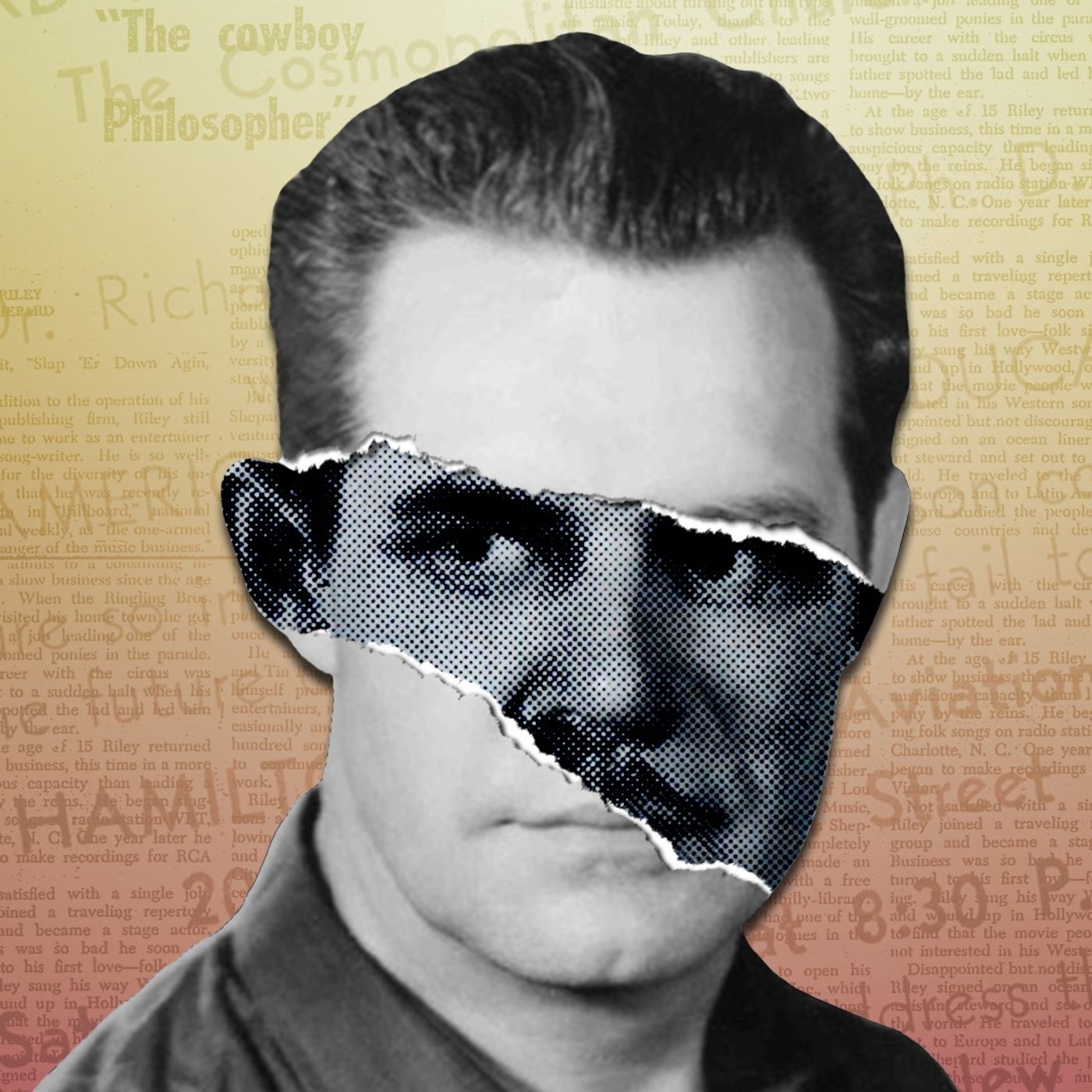
Riley Shepherd falsely claimed to have written "Blue Christmas," a famous song. This lie made his daughter, Stasha, jaded and skeptical of his true life's work, the folk encyclopedia. This shows how fabricating minor successes can cast doubt on and devalue one's legitimate, monumental achievements.
Related Insights
Lying is a cognitive distortion, not just a moral failing. Insights from Dostoevsky's time in a gulag suggest that habitual lying degrades your ability to discern truth in yourself and others, erodes self-respect, and ultimately blocks your ability to give and receive love.

When evaluating a self-help figure, the key differentiator isn't a perfect life. In fact, a "broken past" can be a source of deep expertise from overcoming adversity. The ultimate dealbreaker is dishonesty—lying about one's history or accomplishments to build a false persona.

Truthful people are at peace with the truth, even if you don't believe them. Liars, however, often have a disproportionate, indignant response when their lie isn't accepted. They cannot stand that you don't believe them because their narrative is fragile.
Small lies can snowball into major fraud because the brain habituates to the act of lying. With each lie, the emotional centers of the brain that signal negative feelings respond less strongly. This reduction in guilt or discomfort removes the natural barrier to escalating dishonesty.

The author argues against sanitizing personal stories. Including painful truths about his family made the book more powerful because readers can sense dishonesty. Portraying people with complexity is essential for authentic storytelling.

The power of Sacks' stories was rooted in the belief that these bizarre neurological cases were real. Discovering they were invented collapses the entire premise. The core appeal wasn't just good writing; it was the wonder that "you couldn't make this stuff up," which turned out to be false.

Oliver Sacks confessed in private journals to inventing details in his famous books. The motivation wasn't fame, but a misguided way to project his own struggles (loneliness, sexuality) and interests onto his patients, essentially "working out his own shit through them."
When someone tells a pro-social lie to protect feelings, the recipient may trust their intentions more (benevolence-based trust) but trust the literal truth of their statements less (integrity-based trust), creating a complex dynamic in the relationship.

Riley Shepherd's encyclopedia was seen as a con by his daughter, who experienced the financial fallout, but as genius by a folklorist. This shows a creator's internal motivation is often detached from a project's external perception or success, which is judged based on its collateral impact.
Artist David Choe's mother brainwashed him into believing he was the world's greatest artist, despite his own low self-opinion. This unwavering, almost blind faith, acted as a powerful psychological foundation that he later consciously adopted, fueling his ambition and resilience against constant rejection.
