Get your free personalized podcast brief
We scan new podcasts and send you the top 5 insights daily.
Twain took full responsibility for his writing but consistently blamed external partners for his frequent business failures, even those he personally selected and praised. This highlights a common psychological split where creators hold different standards of accountability for their art versus their commercial ventures.

Related Insights
Author Mike Perry, from a blue-collar family, feels a persistent tension valuing his creative work. He identifies as a "writer with a small w," contrasting his intangible output with the physical labor of his family, a common psychological hurdle for artists from practical backgrounds.
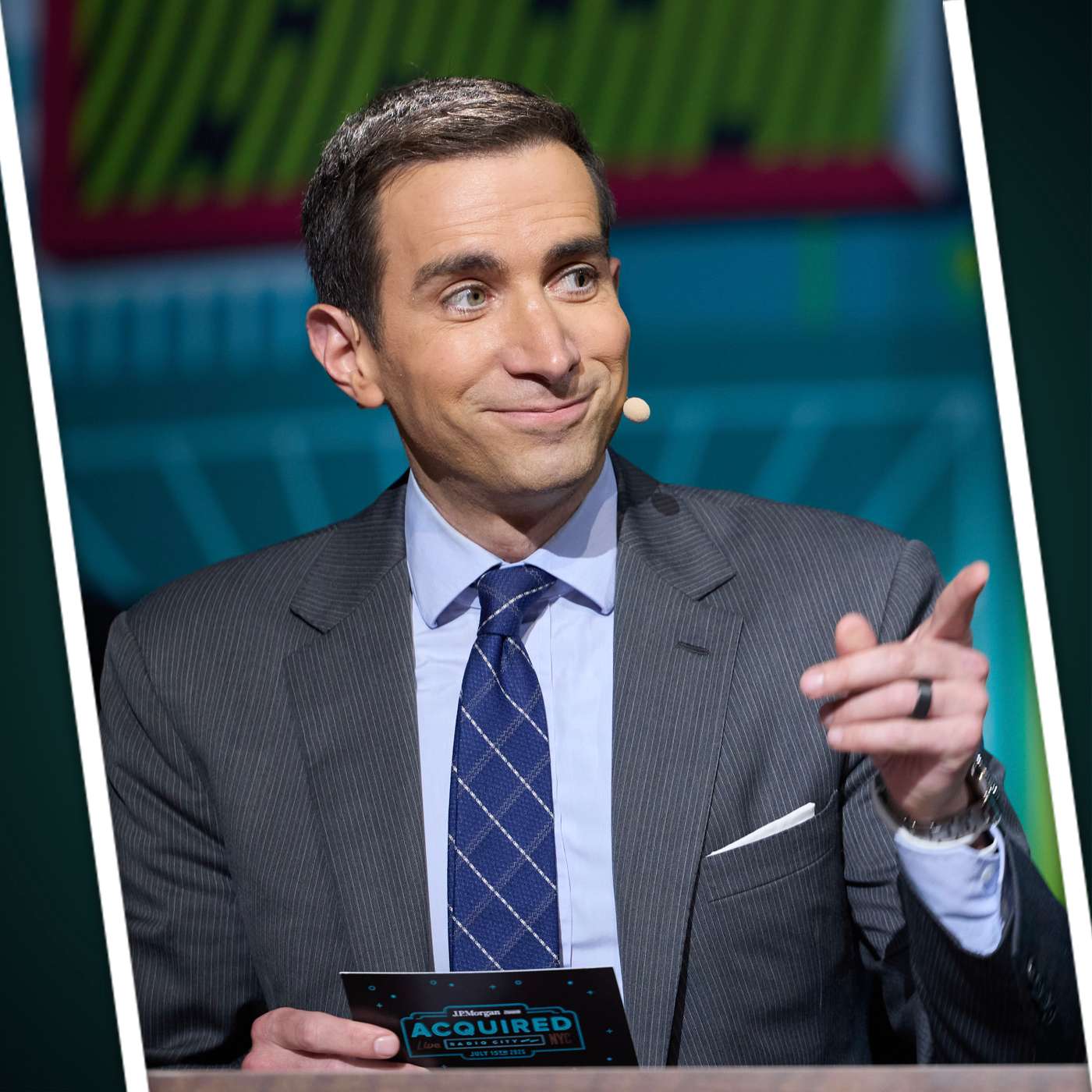
Andrew Ross Sorkin argues against the conventional wisdom of professional detachment. He observes that the most successful people take everything personally because they care immensely about the quality of their work. This personal stake, while sometimes painful, is what drives them to achieve greatness.
Contrary to stereotypes, the best creative leaders possess a strong understanding of business mechanics. They use this knowledge not just for operational success, but as a crucial tool to protect their creative vision and build a robust, defensible enterprise.

The ambition to land big-name clients can be fueled by a subconscious need to prove doubters wrong. This reveals a deeper motivation: an ambition driven by a "wound of wanting to feel enough" rather than pure business strategy, which can lead to misaligned partnerships.

While psychology warns against tying your identity to your work to avoid pain from failure, high performers do exactly that. They embrace identities like "I am a writer" because this personal attachment makes excellence non-negotiable and prevents them from simply "going through the motions."

Despite his immense success and wit, Mark Twain's life serves as a warning. The core lesson from his struggles, according to his biographer, is the importance of emotional regulation and forgiveness. The simple, powerful takeaway is: "When you're hurt, let it go."

Tying your identity to professional achievements makes you vulnerable and risk-averse. By treating business as a "game" you are passionate about, but not as the core of your self-worth, you can navigate high-stakes challenges and failures with greater objectivity and emotional resilience.

Unlike other historical figures with single-minded purpose, Mark Twain was disorganized and called himself lazy. His immense creativity was not driven by a clear goal but by a "manic" energy and a love for what he called "notoriety and notice." This challenges the stereotype that great achievement requires rigid discipline.
Beyond the desire for success, the intense fear of embarrassment and public failure can be an incredibly potent motivator. For high-profile individuals, the social cost of failure is so high that it creates a forcing function to succeed at all costs.

Despite 50+ consecutive number one bestsellers, Grisham fears his next book will fail. He views this self-doubt as a healthy, essential part of the creative process that prevents complacency. This mindset is crucial for sustained high performance in any field, reminding creators that fear can be a productive force.