Get your free personalized podcast brief
We scan new podcasts and send you the top 5 insights daily.
An anecdote about the Beastie Boys reveals that prolific creators eventually stop chasing external validation (like a "platinum record") for every project. They accept some work won't be a smash hit and find satisfaction in the craft itself, guided by their own taste.

Related Insights
By achieving financial independence, creators can treat passion projects as pure art, free from the pressure of immediate ROI. This artistic integrity often becomes its own best marketing, attracting bigger opportunities and paradoxically leading to greater commercial success down the line.

For any creative work shared publicly, you will receive diametrically opposed feedback. One person will love a feature that another hates. Realizing that all feedback is subjective and contradictory frees you from the futile search for external validation and allows you to focus on your own vision.

Companies like Nintendo and bands like Radiohead achieved longevity by pursuing their own vision, even when it contradicted what their fans wanted. This willingness to alienate the current audience is a key, albeit risky, path to true innovation and creating cult classics.

Technical talent is not the primary driver of resonant creative work. The key ingredient is 'taste'—an unteachable ability to discern what will be emotionally pleasing and impactful to an audience. This intuitive sense separates good creators from great ones.
Citing composer Stephen Sondheim, Bierut suggests a creative's legacy shifts from personal creation to mentorship. Sondheim's impact in his final years came not from new musicals, but from writing encouraging letters that gave the next generation courage, modeling a shift from creator to cultivator.
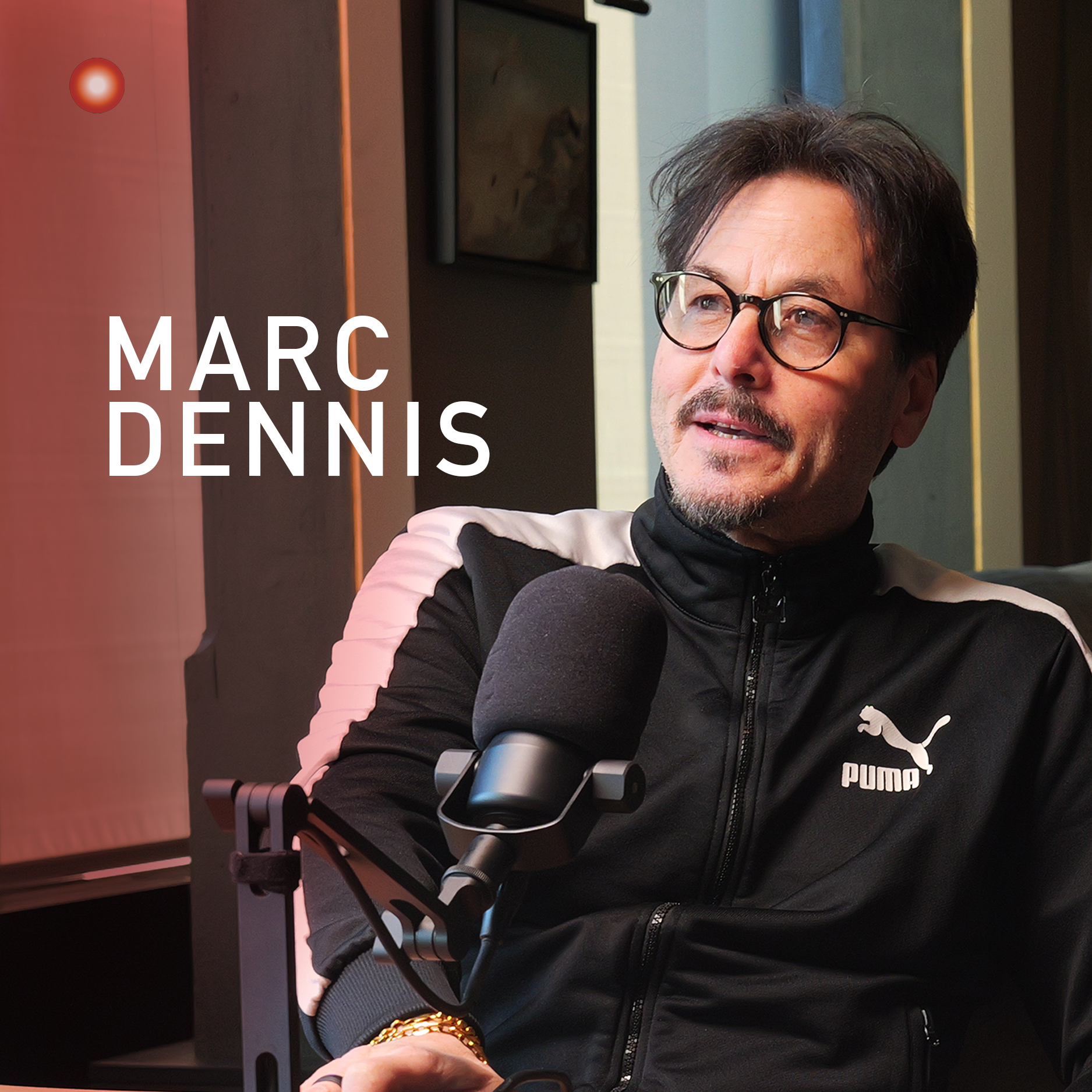
Instead of offering a formula for success, artist Marc Dennis tells aspiring creatives that the key to failure is trying to please everyone. True artistic success requires finding and staying true to a unique voice, even if it disappoints others' expectations or preconceived notions.
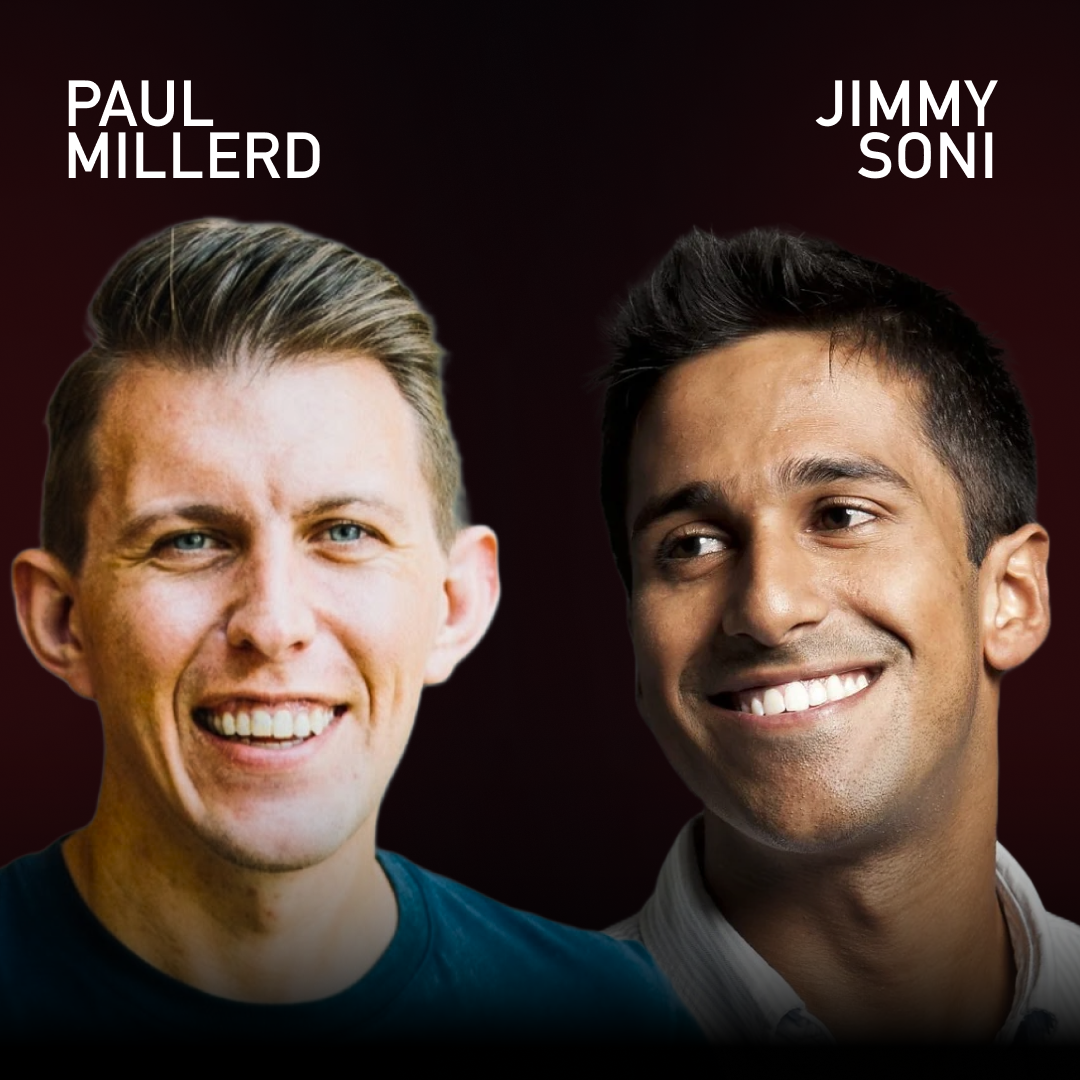
Once a creator achieves significant success, the guiding metric for their career should shift from financial ROI to personal happiness. Engaging in activities you genuinely enjoy, even if they seem less profitable on paper, will fuel your energy and compound your success across all ventures in the long run.

The most enduring and interesting creations are those that are an extension of the creator's personality, values, and identity. This alignment makes the work feel less like a job and more like self-expression, providing a source of "abiding joy" that doesn't deplete.
![Patrick O’Shaughnessy - Creating on Principle - [Invest Like the Best, EP.455] thumbnail](https://megaphone.imgix.net/podcasts/816fce6a-f5b6-11f0-9c9c-33831009577b/image/1f5ec11a816e37bc484e46cbf9b3421d.jpg?ixlib=rails-4.3.1&max-w=3000&max-h=3000&fit=crop&auto=format,compress)
The ultimate goal for a creative should not be maximizing short-term reach, but protecting their energy to ensure they can continue creating for years. Unlike business spreadsheets, your personal desire and capacity to 'keep playing the game' is your most valuable, non-negotiable asset.
To build a sustainable career, creatives can't rely solely on external validation like sales or praise. Motivation must come from the intrinsic value found in the act of "making the thing." This internal focus is the only way to avoid an insatiable and unfulfilling need for approval.
