Get your free personalized podcast brief
We scan new podcasts and send you the top 5 insights daily.
Certain personalities become iconic by representing a powerful idea that's bigger than their specific field. Athletes like Steve Prefontaine ('guts'), Muhammad Ali ('poetry'), or Conor McGregor ('showmanship') resonate with people who don't even follow their sports because they embody a universal concept.

Related Insights
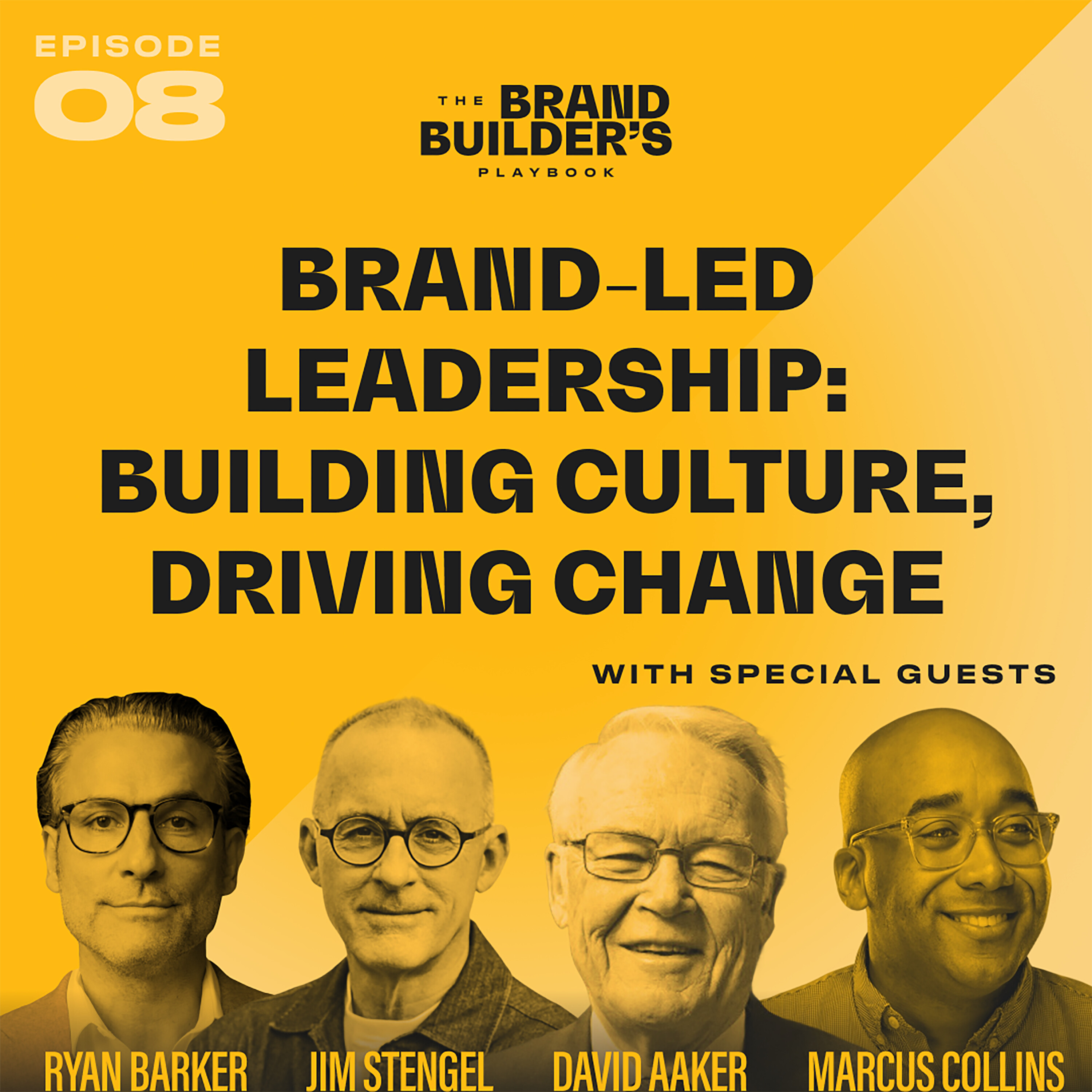
Marcus Collins explains that brands limited to their product (e.g., toothpaste) have little to talk about. However, a brand with a broader ideology (like Nike's belief that "Every human body is an athlete") gains entry and authority to engage in wider cultural discourse, creating significant energy and relevance.
Nike's marketing genius is that their ads are never about the shoes. Instead, they focus on storytelling and celebrating greatness, associating the brand with the aspirational feeling of athletic achievement. This emotional connection makes the brand a default choice for anyone striving to be great.
A brand's identity can be modeled after a single person's ethos. Nike's co-founder Phil Knight admits that the brand's core identity—fierce independence and competitiveness—was taken directly from its first sponsored athlete, Steve Prefontaine. He wasn't just an endorser; he was the soul of the company.
Contrary to the 'niche down' mantra, discussing diverse personal interests (like sports or hobbies) creates more attachment points for your audience. This broad appeal can indirectly strengthen your core business by building a multi-faceted personal brand that people connect with on different levels.

A personal brand has limitations in reach and appeal. Creating a universe of characters (IP) allows for the teaching of core values like patience or kindness to a broader audience, similar to how Jim Henson used the Muppets for social good.
Ryan Holiday found it difficult to build an audience solely around himself as a person. Instead, he created "The Daily Stoic," a brand centered on a concept. This allowed him to scale his message across email, podcasts, and social media by serving a specific interest, which proved far more effective than just promoting a personality.

The quest for a completely new idea is futile because they've all been done. Instead, focus on expressing your unique self—your vibe, energy, and perspective. That is the only true originality and what ultimately attracts an audience.
Conventional advice to 'niche down' forces entrepreneurs to hide parts of themselves. True brand differentiation and connection come from embracing the intersections of your varied interests (e.g., marketing + motherhood). Your range doesn't dilute your brand; it defines your unique positioning and attracts a loyal audience.

Your personal brand should transcend your current job title. Identify recurring themes in your career and articulate them as core "I am" statements (e.g., "I love to build things from the ground up"). These statements should be true for you across different companies and roles, forming an authentic and enduring brand.

Your brand's core promise to your audience doesn't have to be about a specific subject. It can be a consistent personality trait, like enthusiasm or curiosity. This allows for more flexibility and authenticity as your interests evolve over time, preventing you from being pigeonholed into a narrow niche.
