Get your free personalized podcast brief
We scan new podcasts and send you the top 5 insights daily.
Nike's marketing genius is that their ads are never about the shoes. Instead, they focus on storytelling and celebrating greatness, associating the brand with the aspirational feeling of athletic achievement. This emotional connection makes the brand a default choice for anyone striving to be great.

Related Insights
Marcus Collins explains that brands limited to their product (e.g., toothpaste) have little to talk about. However, a brand with a broader ideology (like Nike's belief that "Every human body is an athlete") gains entry and authority to engage in wider cultural discourse, creating significant energy and relevance.
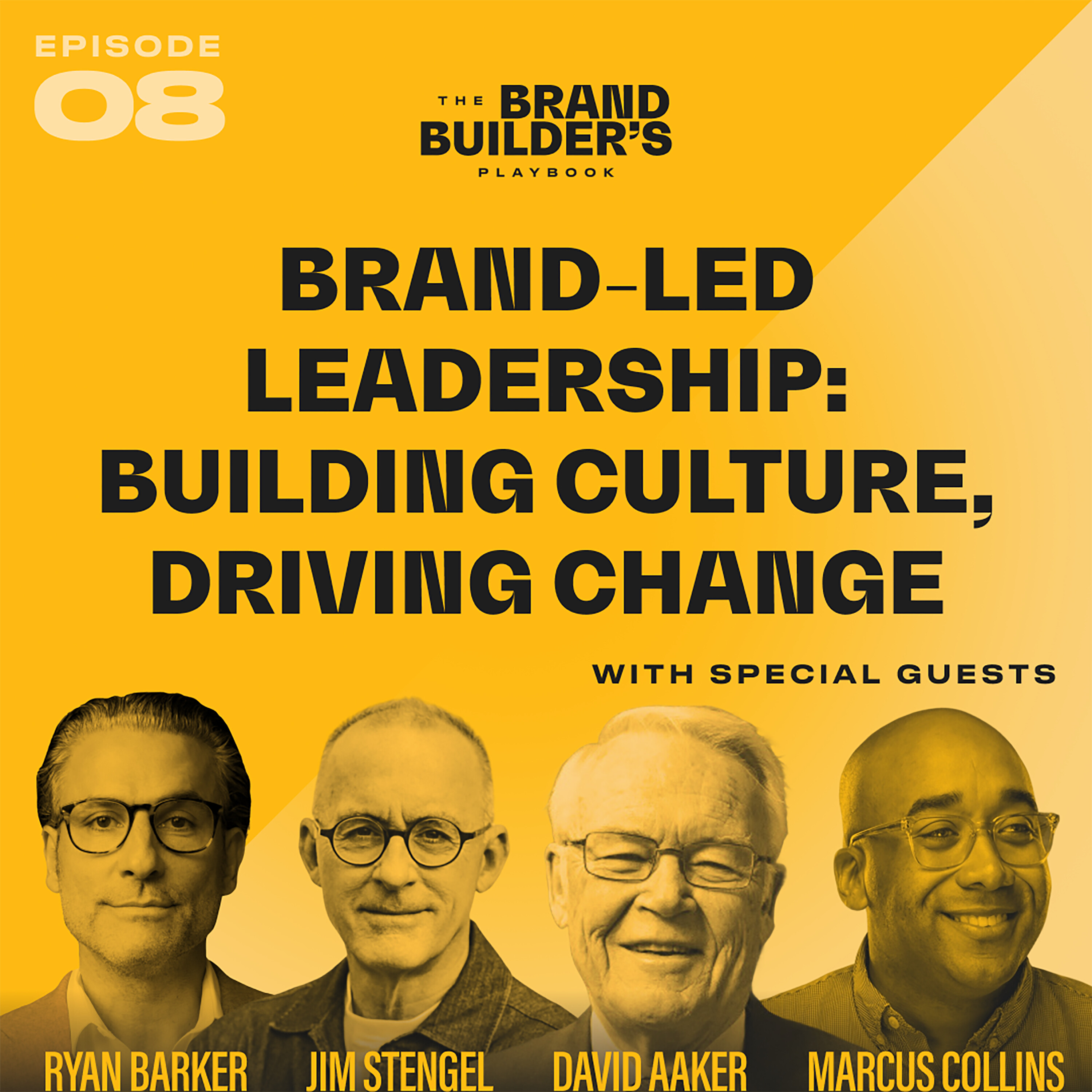
A brand's identity can be modeled after a single person's ethos. Nike's co-founder Phil Knight admits that the brand's core identity—fierce independence and competitiveness—was taken directly from its first sponsored athlete, Steve Prefontaine. He wasn't just an endorser; he was the soul of the company.
Unlike product marketing, sports marketing cannot control the core product’s performance (wins/losses). The primary job is to build deep, personal connections between fans and athletes. This creates emotional "insulation" where fan loyalty is tied to the people and the brand, not just unpredictable on-court results.

For Nike's innovators, the ultimate measure of success isn't market performance but the user's genuine joy upon experiencing the product. This "athlete's smile" confirms that a meaningful problem has been solved, serving as a leading indicator that commercial success will naturally follow.

Brand love is often less about the product and more about what it symbolizes about the consumer. In an era of 'hyper-identity,' brands become signals people use to communicate their personal values and nuances. Marketing should focus on what the brand says about its user.
Product inspiration can come from unexpected places. On Running's CPO points to the perfume industry's ability to sell an intangible feeling through packaging and branding as a key lesson in creating an emotional connection with consumers, even for highly functional products like running shoes.
A brand's marketing narrative should focus on the underlying emotional experience it provides, such as "family time" for a puzzle company. This single, powerful theme can unite a diverse portfolio of products under one compelling story, creating a stronger brand identity than marketing individual product features.

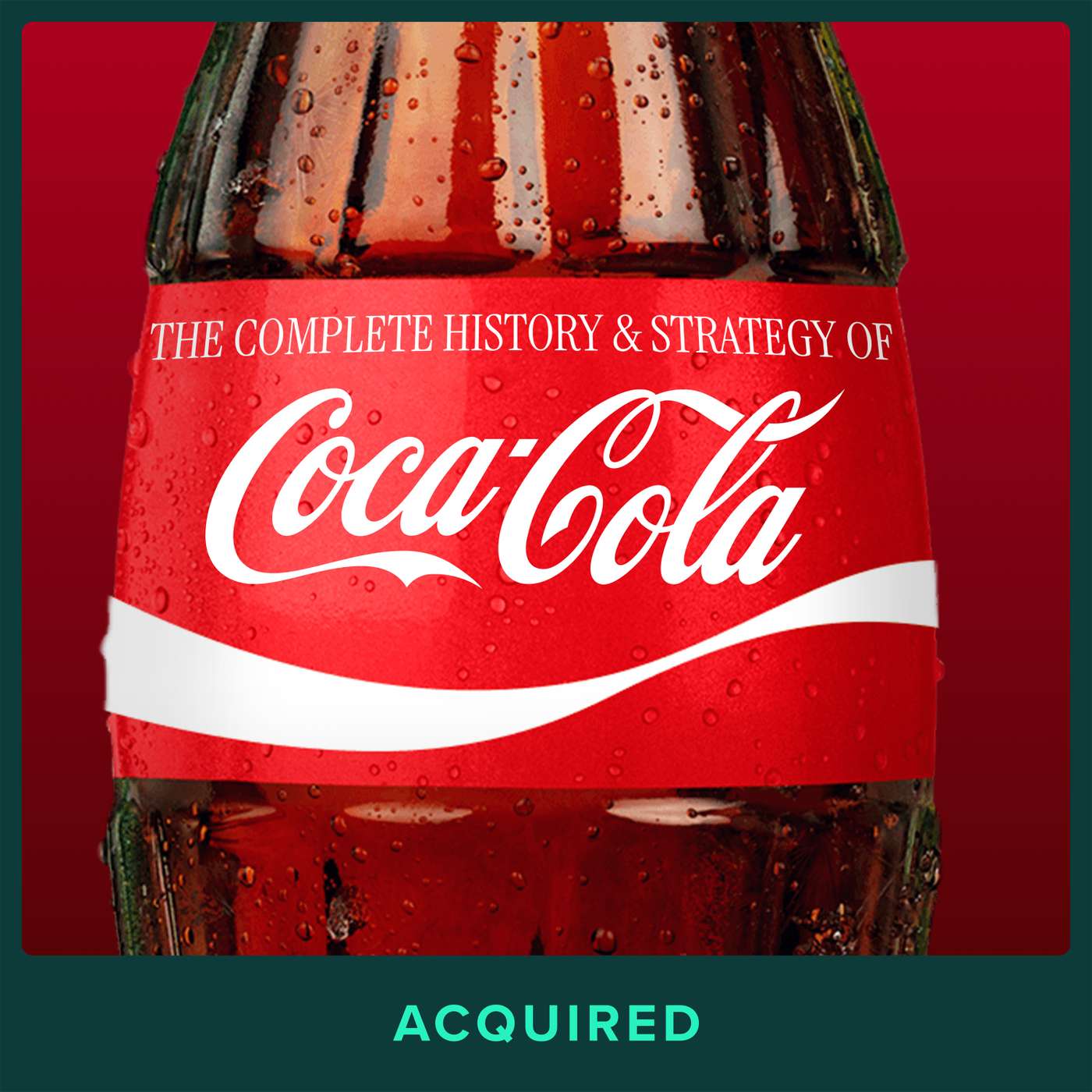
Coca-Cola pioneered lifestyle advertising by shifting from promoting intrinsic product qualities (a "brain tonic") to extrinsic associations. They linked the brand to universal positive emotions like happiness, friendship, and Christmas, making the product a symbol rather than just a beverage.
Gymshark's key product differentiator wasn't just performance, but aesthetics. They obsessed over creating 'physique accentuating' fits that made customers look and feel better. This tapped into the core emotional motivation of their gym-going audience, creating a stronger brand connection than purely functional apparel.
Move beyond listing features and benefits. The most powerful brands connect with customers by selling the emotional result of using the product. For example, Swishables sells 'confidence' for a meeting after coffee, not just 'liquid mouthwash.' This emotional connection is the ultimate brand moat.
