Get your free personalized podcast brief
We scan new podcasts and send you the top 5 insights daily.
Ryan Holiday found it difficult to build an audience solely around himself as a person. Instead, he created "The Daily Stoic," a brand centered on a concept. This allowed him to scale his message across email, podcasts, and social media by serving a specific interest, which proved far more effective than just promoting a personality.

Related Insights
True scaling isn't about increasing tactical output like more content or funnels. It's about elevating your perceived authority and value. Your audience mirrors your truth and worth, so authentic messaging that subtracts "noise" is more effective than "performing productivity."

The term "personal brand" is modern slang for the timeless concept of reputation. Social media's power is that it acts as a lever, scaling that reputation to a much wider audience than ever before. A larger, more positive reputation directly translates to a higher volume of inbound personal and professional opportunities.

Instead of spending big on trendy mega-influencers, Gamma found success by scaling relationships with thousands of micro-influencers in niche, high-trust "echo chambers" like education. These smaller, authentic voices spread like wildfire within their communities, driving more effective growth.
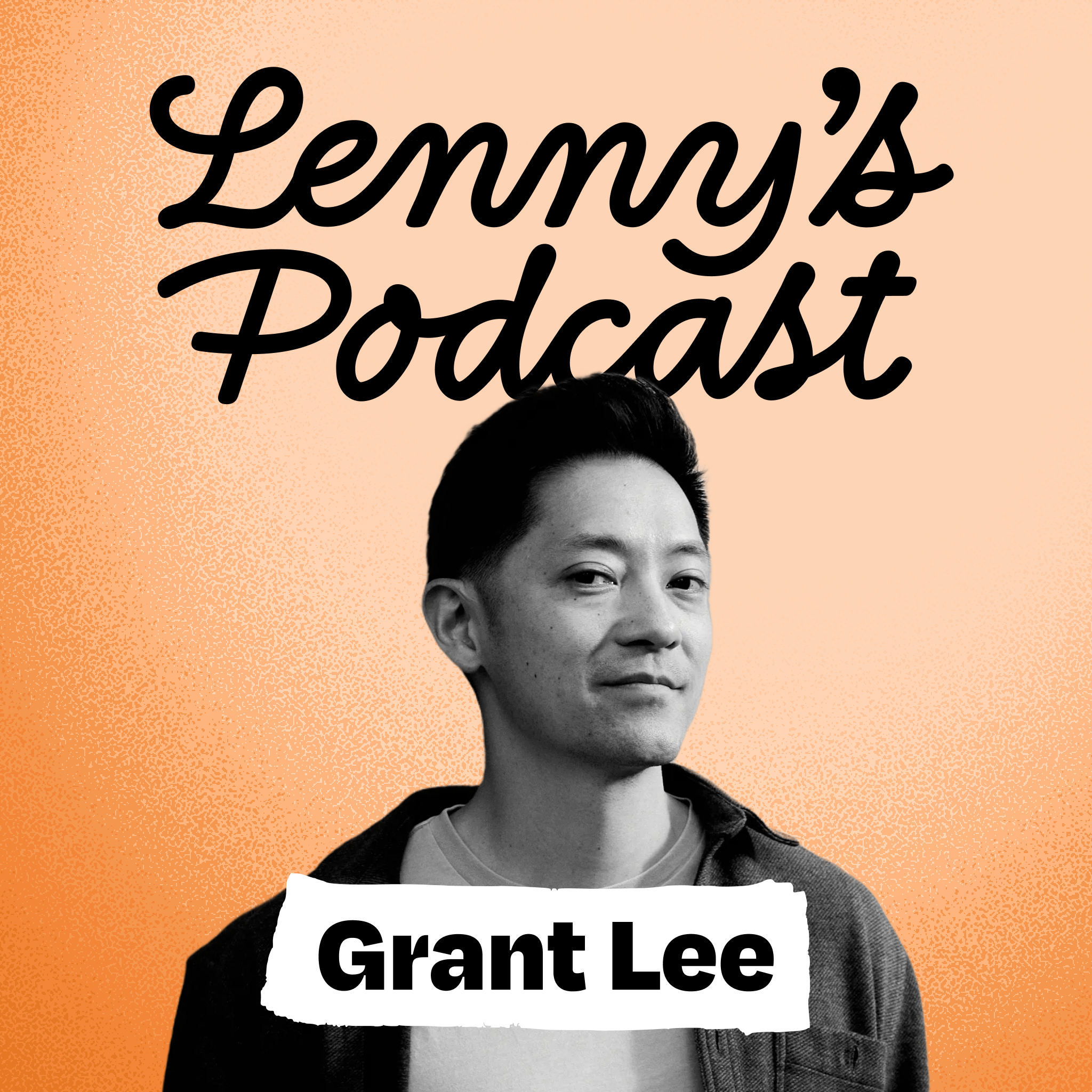
To achieve massive reach, start with a hyper-specific target audience. By writing "The 4-Hour Workweek" for just two friends and marketing it to a narrow demographic in one city, Tim Ferriss created a concentrated ripple effect that naturally expanded to millions. A broad approach dilutes your message.
Most communicators mistakenly focus on the medium (podcasts, TV, blogs). The most leveraged approach is to first craft an irresistible hook and a compelling story. True distribution power is achieved when an idea becomes so interesting that people cannot help but share it themselves.

High achievers operate with a discipline of consistently getting their thoughts and experiences out of their head and into a shareable format. Whether an internal email, a LinkedIn post, or a video, they are constantly asking, "What do I know that needs to get out?" This practice scales their influence and solidifies their status as an expert.

Don't dismiss the success of celebrity brands as unattainable. Instead, analyze the core mechanism: massive 'free reach' and 'memory generation.' The takeaway isn't to hire a celebrity, but to find your own creative ways to generate a similar level of organic attention and build a tribe around your brand.
A sole creator, no matter how brilliant, will always have a limited impact. The key to exponential influence is to build an organization staffed with talented, well-compensated people. The true superpower is not just communication, but the ability to attract and retain talent that can scale the message far beyond what one person could ever achieve alone.
A podcast isn't just content; it's a tool for building parasocial relationships. This creates a "tuning fork" effect, attracting high-caliber listeners and guests who feel they already know you, leading to valuable real-world connections and opportunities.

A successful entrepreneur who built her business on her personal brand now cautions against it being the only viable strategy. She admits she was wrong and now advocates for building businesses not tied to one's name and likeness, stressing the need to separate the human from the brand.
