Get your free personalized podcast brief
We scan new podcasts and send you the top 5 insights daily.
Elite computational bio companies like Isomorphic Labs succeed by avoiding siloes and maintaining equal excellence in AI engineering and wet-lab chemistry. They hire tier-one talent from both worlds and create a culture with crosstalk where both disciplines solve problems together.

Related Insights
Alloy Therapeutics' CEO describes a key industry dynamic: new AI-driven "tech bio" firms lack deep biological expertise, while established "biotech" firms need to improve their tech capabilities. The biggest breakthroughs will come from companies that successfully merge these two domains.

Most organizations specialize in either frontier AI or frontier biology. CZI's Biohub integrates both to create a tight feedback loop. The AI models identify knowledge gaps, which in turn directs the biology team on what specific data sets to generate next. This flywheel of building bespoke data for model training accelerates discovery much faster than using pre-existing public data.

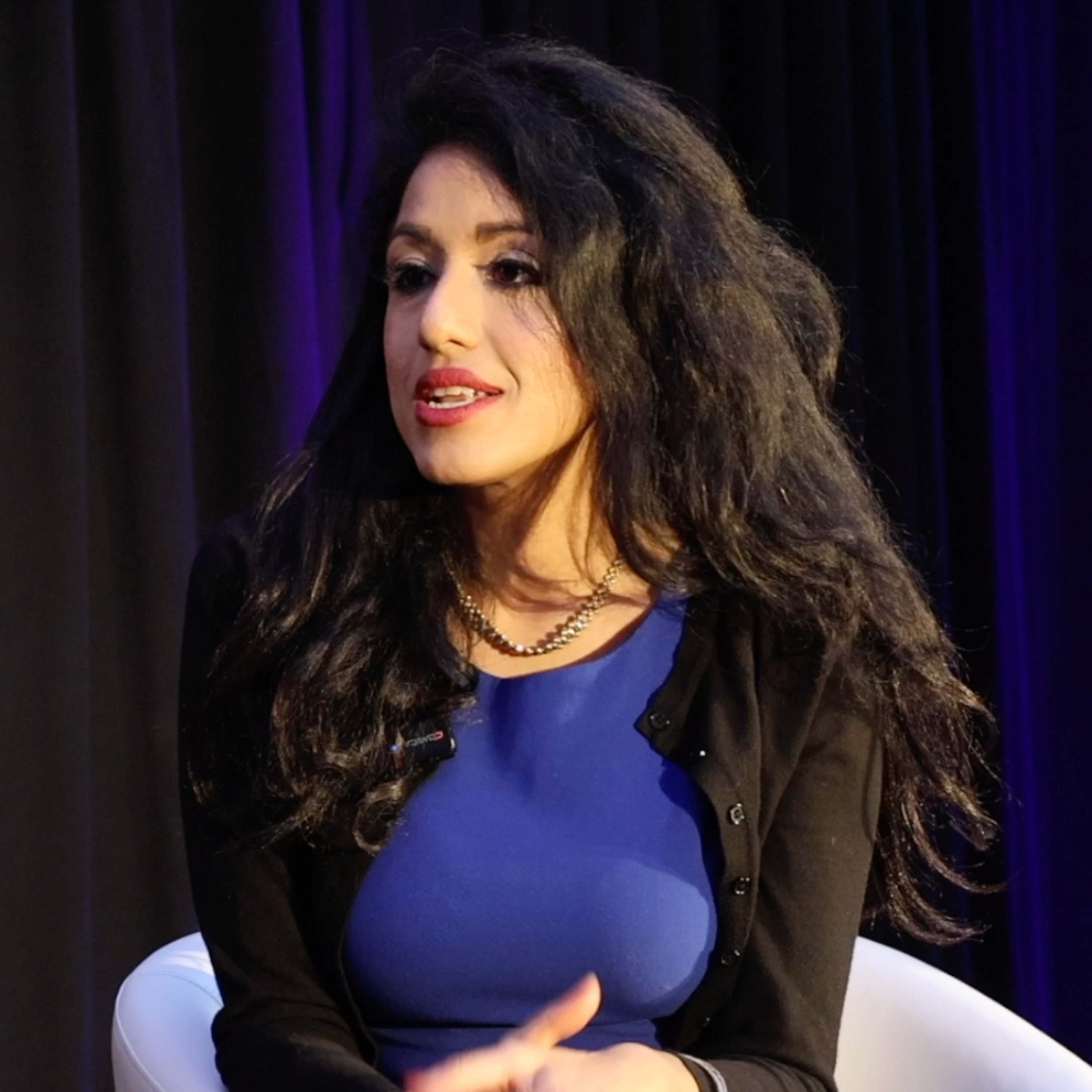
Recursion CEO Najat Khan argues the most valuable biotech professionals are "systems thinkers" who are fluent in both science and technology. She advises against narrow specialization, stating that the ability to connect the dots across complex disciplines is what drives innovation in drug discovery.
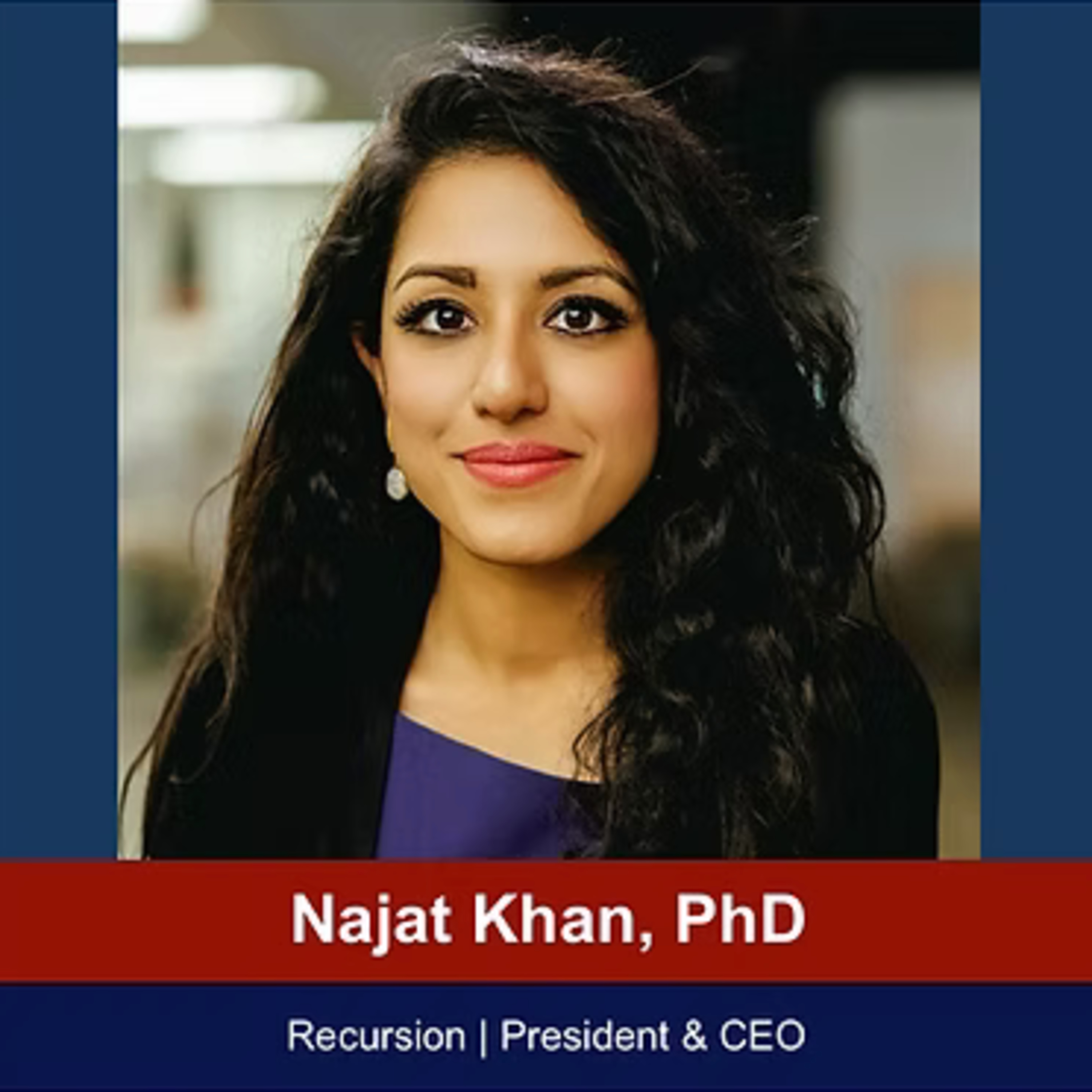
Recursion's CEO Najat Khan argues that the key to success in tech-bio is not just hiring scientists and engineers, but cultivating a 'bilingual' culture. This requires scientists who understand AI's limitations and AI experts who appreciate the humility needed for science. This integrated talent and culture is a core competitive advantage that is difficult for larger, more siloed organizations to replicate.
Today's AI-first drug companies must bridge the gap between separate AI and biology experts. The future competitive advantage will belong to a new generation of scientists who are trained from the start to be fluent in both disciplines, eliminating the "accent" of learning one as a second language.
Turbine's pharma partners consistently praised the deep biological competence of its science team. This ability to engage as scientific peers, not just data scientists, built essential trust for early deals when the AI platform was still largely unvalidated.
Xaira is building two parallel organizations: an AI product team and an R&D team. A key operational struggle is merging tech's rapid, months-long development cycles with biotech's methodical, decade-plus timelines. This cultural integration is a major hurdle for next-generation biopharma companies.
CZI operates at the intersection of two cultures: biologists who saw their goals as "crazy ambitious" and AI experts who saw them as "boring" and inevitable. Their strategy is to actively merge these fields to create breakthroughs that neither could achieve alone.

Resolution Therapeutics' CEO builds his team with leaders from varied backgrounds across different diseases and drug modalities. He believes this diversity creates more robust problem-solving, as challenges that are novel in one area may have been solved in another, enabling faster and more informed decisions.

The future biotech landscape is not US vs. China, but a "multipolar" world where savvy companies operate as "hybrid biotechs." They will selectively build bridges, cherry-picking talent, capabilities, and operational models across the US, Europe, and China to accelerate development.
