Get your free personalized podcast brief
We scan new podcasts and send you the top 5 insights daily.
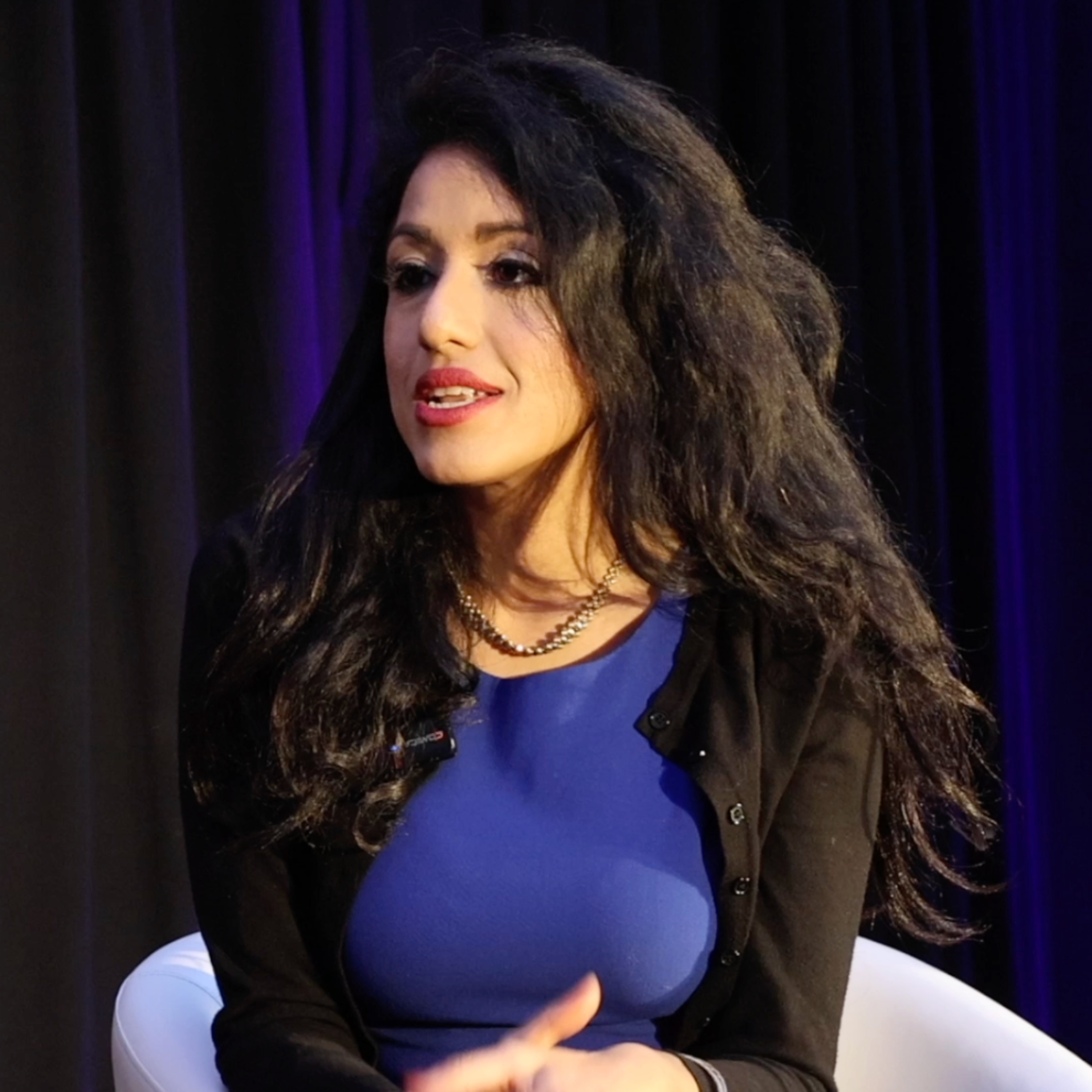
Recursion's CEO Najat Khan argues that the key to success in tech-bio is not just hiring scientists and engineers, but cultivating a 'bilingual' culture. This requires scientists who understand AI's limitations and AI experts who appreciate the humility needed for science. This integrated talent and culture is a core competitive advantage that is difficult for larger, more siloed organizations to replicate.
Related Insights
Top AI labs struggle to find people skilled in both ML research and systems engineering. Progress is often bottlenecked by one or the other, requiring individuals who can seamlessly switch between optimizing algorithms and building the underlying infrastructure, a hybrid skillset rarely taught in academia.
![[State of Post-Training] From GPT-4.1 to 5.1: RLVR, Agent & Token Efficiency — Josh McGrath, OpenAI thumbnail](https://assets.flightcast.com/V2Uploads/nvaja2542wefzb8rjg5f519m/01K4D8FB4MNA071BM5ZDSMH34N/square.jpg)
Building the next generation of industrial technology requires a specific cultural and talent synthesis. Success demands combining Silicon Valley’s software-first culture and talent with the deep, domain-specific knowledge of industrial veterans who understand real-world constraints and past failures.

In a field as complex as AI for science, even top experts know only a fraction of what's needed. Periodic Labs prioritizes intense curiosity and mission alignment over advanced degrees, recognizing that everyone, regardless of background, faces a steep learning curve to grasp the full picture.

As AI handles technical tasks, the value of hard skills diminishes. The most crucial employee traits become "human" qualities: buying into the company vision, emotional intelligence, and self-awareness. These are the new competitive advantages in talent acquisition.
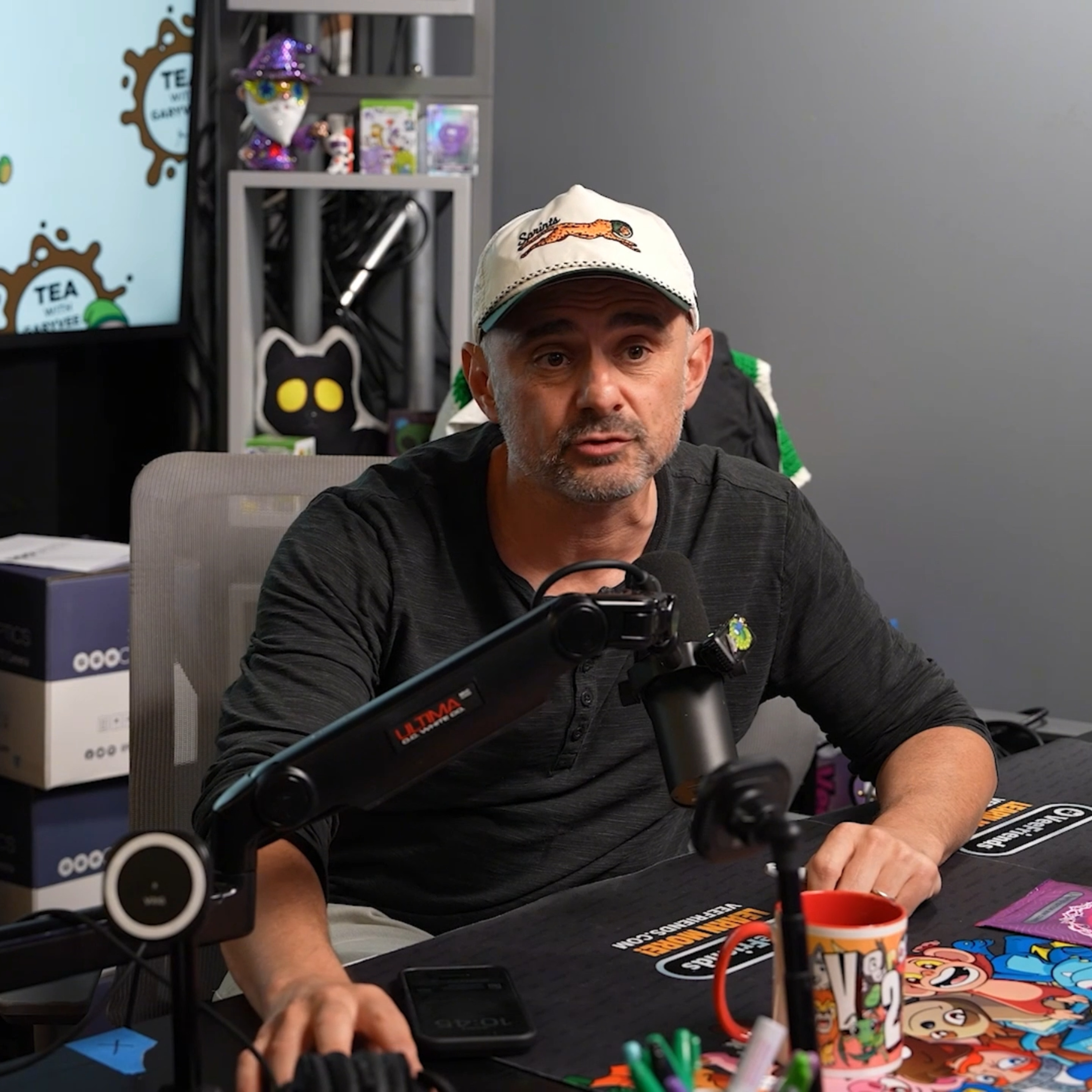
Competing in the AI era requires a fundamental cultural shift towards experimentation and scientific rigor. According to Intercom's CEO, older companies can't just decide to build an AI feature; they need a complete operational reset to match the speed and learning cycles of AI-native disruptors.

The traditional tech team structure of separate product, engineering, and design roles is becoming obsolete. AI startups favor small teams of 'polymaths'—T-shaped builders who can contribute across disciplines. This shift values broad, hands-on capability over deep specialization for most early-stage roles.
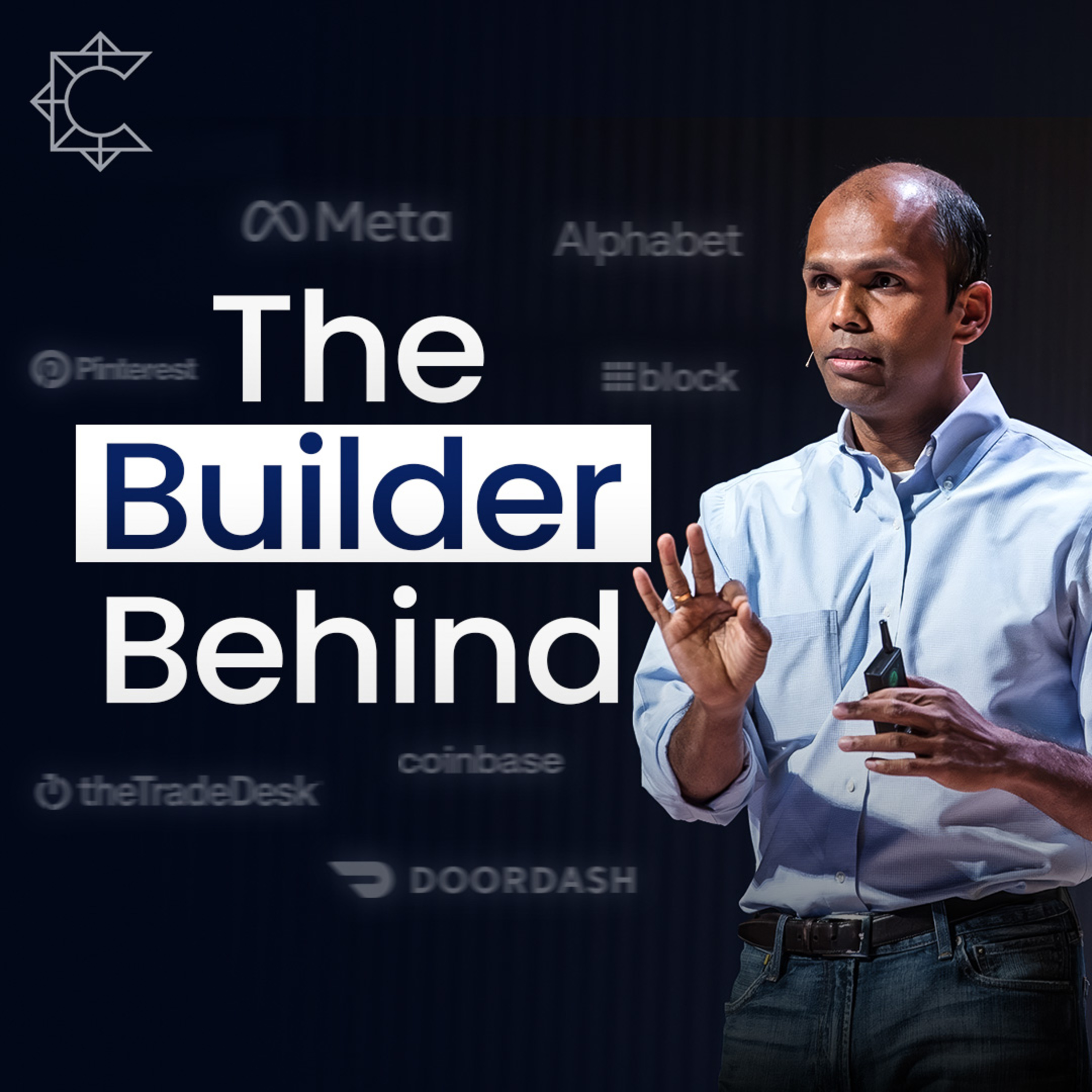
By selecting AI researcher Alex Reeves to head its science program, CZI is signaling a fundamental belief: AI is no longer just a tool for biology but is now the primary driver of discovery. Leadership must reflect this shift from a biology-first to an AI-led approach.

CZI operates at the intersection of two cultures: biologists who saw their goals as "crazy ambitious" and AI experts who saw them as "boring" and inevitable. Their strategy is to actively merge these fields to create breakthroughs that neither could achieve alone.
According to Immunocore's CEO, the biggest imminent shift in drug development is AI. The critical need is not for AI to replace scientists, but for a new breed of professionals fluent in both their scientific domain and artificial intelligence. Those who fail to adapt will be left behind.

The key differentiator for companies succeeding with AI isn't technical prowess but mastery of core behaviors: flexibility, targeted incremental delivery, being data-led, and cross-functional teams. Strong fundamentals are the prerequisite for benefiting from advanced technology.
