Get your free personalized podcast brief
We scan new podcasts and send you the top 5 insights daily.
Instead of raising venture capital, the company used its profitable B2B channel selling to boutiques as a financial engine. The consistent cash flow from wholesale partners funded their early, more speculative investments in direct-to-consumer digital advertising.

Related Insights
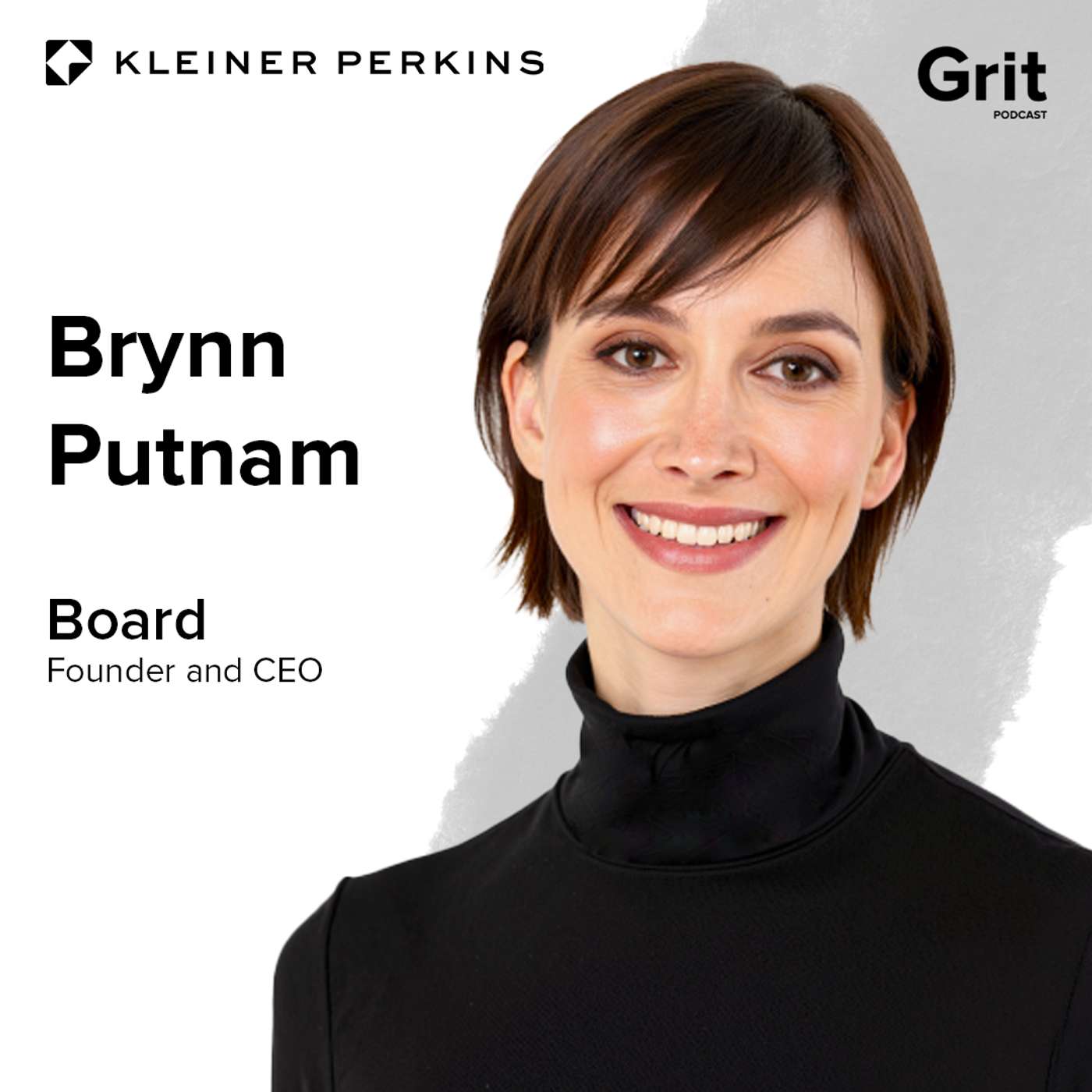
Before raising venture capital for Mirror, founder Bryn Putnam bootstrapped the initial year of R&D using profits from her four successful fitness studios. This provided non-dilutive capital and a safety net, allowing her to explore the high-risk hardware concept without immediate investor pressure.
While VCs pushed direct-to-consumer, Faherty's founders blended wholesale, retail, and online sales. This diversified revenue, managed cash flow via wholesale factoring, and built brand presence in a way a pure-play DTC model couldn't.

A purely direct-to-consumer model is challenging for a single, niche product. Instead of broad performance marketing, Tick Socks was advised to pursue B2B2C partnerships with summer camps. This highly targeted channel directly reaches the ideal customer (parents) at the point of need, offering a more capital-efficient growth path.
When direct-to-consumer growth flattens and acquisition costs rise, B2B channels offer a scalable alternative. Betterment's founder notes their B2B expansion not only provided scale but also fed more users back into their retail product, creating a powerful growth flywheel.
Facing limited capital, Faherty leaned on wholesale. They used factoring—getting advances on purchase orders from established retailers like Nordstrom—to manage cash flow and fund production, a capital-efficient alternative to dilutive venture rounds.
T3 successfully launched in Sephora without VC funding by first building a profitable business in the salon channel. They generated $4 million in sales, creating the cash flow necessary to meet Sephora's inventory demands and payment terms. This allowed them to scale into major retail by spending what they had already earned.

The founders delayed institutional funding to protect their long-term brand strategy. This freedom allowed them to avoid paid ads, which a VC might have demanded for quick growth, and instead focus on building a more powerful and sustainable word-of-mouth engine first.

For a startup with both B2B (venues) and DTC (sleep) channels, Tim Ferriss advised using the guaranteed eyeballs and reliable income from the B2B partnerships to build a war chest. This stable capital can then be used to fund experiments with more volatile DTC acquisition strategies.
B2C companies operate in a fiercely competitive marketing landscape, forcing constant innovation. B2B companies are often slow to adopt these proven tactics. A significant opportunity exists for B2B firms willing to borrow and apply aggressive B2C growth strategies to their own markets.

Instead of a traditional big-bang retail launch, Magic Mind first sold direct-to-consumer (D2C). This allowed for 150+ product iterations based on direct customer feedback, ensuring product-market fit *before* scaling into high-stakes retail channels, a strategy borrowed from software development.
