Get your free personalized podcast brief
We scan new podcasts and send you the top 5 insights daily.
When direct-to-consumer growth flattens and acquisition costs rise, B2B channels offer a scalable alternative. Betterment's founder notes their B2B expansion not only provided scale but also fed more users back into their retail product, creating a powerful growth flywheel.

Related Insights
For a food business with a successful B2B wholesale or catering model, the immediate growth path is expanding that existing channel (e.g., from 45 to 90 partners). A brick-and-mortar location is a different business with high costs that can distract from the core strength.
Baby2Baby chose a B2B-like model, supplying partner organizations rather than individual families. This avoided the complex logistics of direct service, enabling them to reach vastly more people and scale their operations efficiently by leveraging existing community infrastructure.

For EdTech startups, pivoting from D2C to B2B school sales is challenging, with long sales cycles. However, it creates a stickier business not subject to seasonal dips and, more importantly, provides equitable access to students in underserved communities, not just affluent families.

Rensprey, a rental software company, grew from $2M to $40M in revenue not through direct sales but through an innovative partnership strategy. Founder Michael Liccarelli created win-win situations for distribution partners, cracking a go-to-market motion that competitors couldn't figure out.
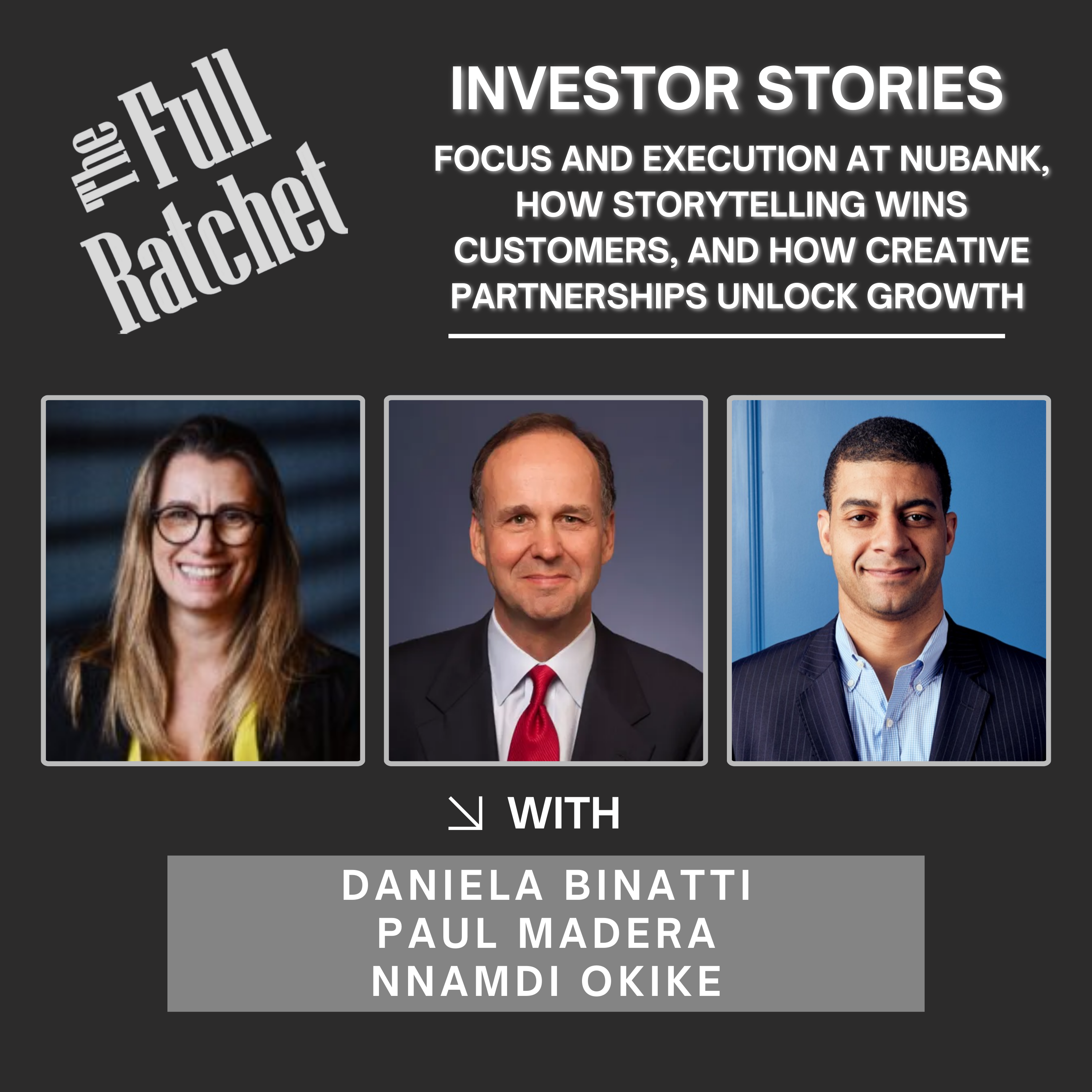
As ad costs rise and organic reach declines, B2B businesses should evolve their sales teams. Instead of focusing solely on cold outreach, empower them with the bandwidth and capability to build and manage a systemized network of referral partners. This creates a predictable and more profitable growth engine.
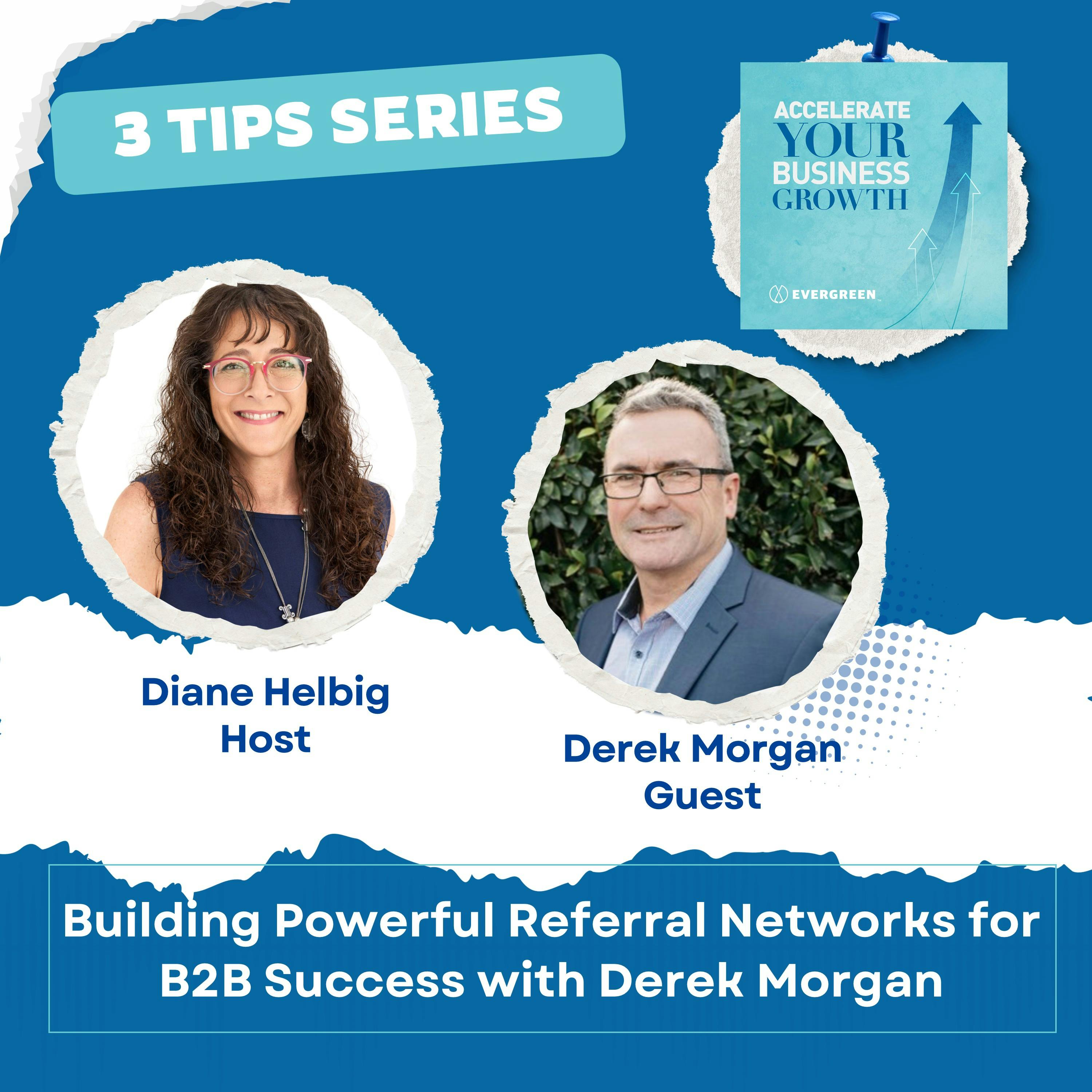
Directly approaching large organizations is often ineffective. Instead, emulate Slack's growth model by getting individual employees to use and love the product. This creates internal champions who advocate for wider organizational adoption, pulling the product in rather than pushing it from the outside.
Sell to startups at their inception when they have no switching costs and few stakeholders. As these customers scale into major companies, your business scales with them, turning early adopters into significant, long-term revenue streams.

While conventional wisdom suggests moving upmarket for growth, Sensei chose the opposite path to scale from $40M to $100M ARR. They partnered with Pax8 to target a vast number of smaller customers downstream, leveraging the channel's reach for a "10x proposition" without the heavy investment required for enterprise sales readiness.

Instead of marketing directly to a fragmented customer base (e.g., fitness coaches), sell your platform to the agencies and mentors who already serve them. This leverages their distribution, resulting in a stickier, more profitable customer base with a lower acquisition cost.

1Password's growth illustrates the 'land and expand' model. Start with a B2C product individuals love, which they bring into their workplace. This creates organic internal demand, allowing you to then approach the company with an enterprise solution offering management and compliance.
