Get your free personalized podcast brief
We scan new podcasts and send you the top 5 insights daily.
To pivot into an AI PM role without direct experience, create a case study by analyzing a past project you shipped. Articulate how AI could have enabled different features, improved outcomes, or changed the approach. This demonstrates applied thinking and initiative to recruiters.

Related Insights
For product managers not yet working on AI, the best way to gain experience is to build simple AI tools for personal use cases, like a parenting advisor or a board game timer. Using no-code prototyping tools, they can learn the entire development lifecycle—from ideation to prompting and user feedback—without needing an official AI project at work.
The most compelling way to demonstrate AI skills to an employer is to build something. Creating custom GPTs for personal productivity or simple apps proves practical problem-solving ability far more effectively than a list of certifications on a resume.

A technical AI background isn't required to be a PM in the AI space. The critical need is for leaders who can translate powerful AI models into tangible, human-centric value for end users. Your expertise in customer behavior and problem-solving is often more valuable than model-building skills.
For PMs struggling to get AI experience at their current job, building a ChatGPT app serves as a powerful portfolio project. The end-to-end process—from prompting an idea to running evals—simulates the full AI product development lifecycle, demonstrating valuable, hands-on skills to potential employers.

To assess a product manager's AI skills, integrate AI into your standard hiring process rather than just asking theoretical questions. Expect candidates to use AI tools in take-home case studies and analytical interviews to test for practical application and raise the quality bar.
To upskill a product team in AI, avoid creating a separate, intimidating new skill category. Instead, frame AI as a tool to augment existing competencies like execution (writing user stories), customer insight (synthesizing research), and strategy (brainstorming).

To build an AI-native team, shift the hiring process from reviewing resumes to evaluating portfolios of work. Ask candidates to demonstrate what they've built with AI, their favorite prompt techniques, and apps they wish they could create. This reveals practical skill over credentialism.

A structured path to a top AI PM role moves from building prototypes to getting production experience. The final, critical step is to build a public brand by running evaluations on major open-source models (from Google, Meta, etc.) and publishing your findings and improvements.

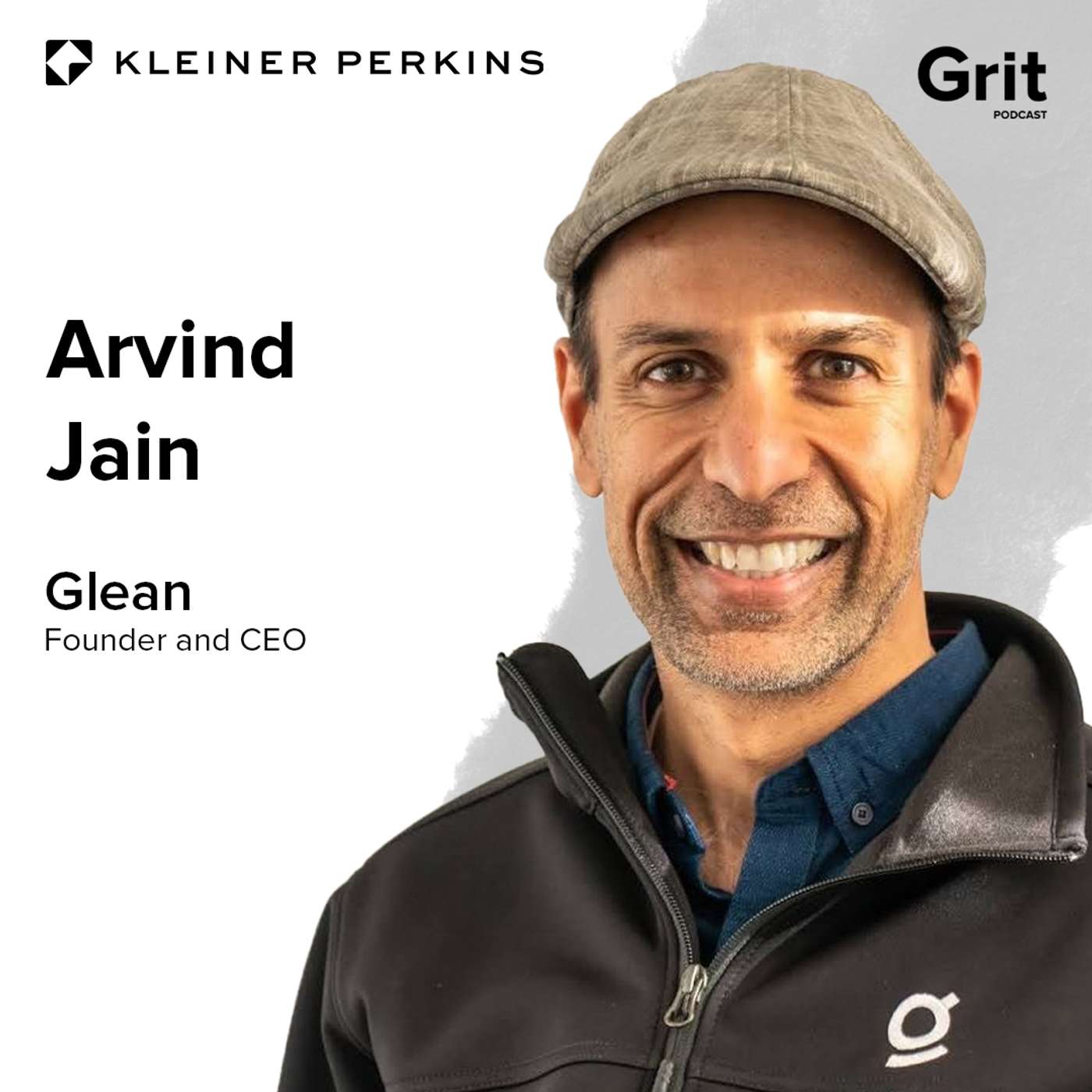
Glean has updated its interview process to screen for "AI fluency" across all departments. They don't expect expertise. Instead, they test for curiosity and initiative by asking candidates how they've personally used AI, looking for a mindset that embraces new ways of working.
Future-proofing your career against AI is not a vague goal but a concrete 12-month project. By following a tactical roadmap—auditing your role, taking a course, automating a task, leading a validation project, and finally presenting ROI—you can proactively become an internal AI leader rather than waiting for instructions or redundancy.
