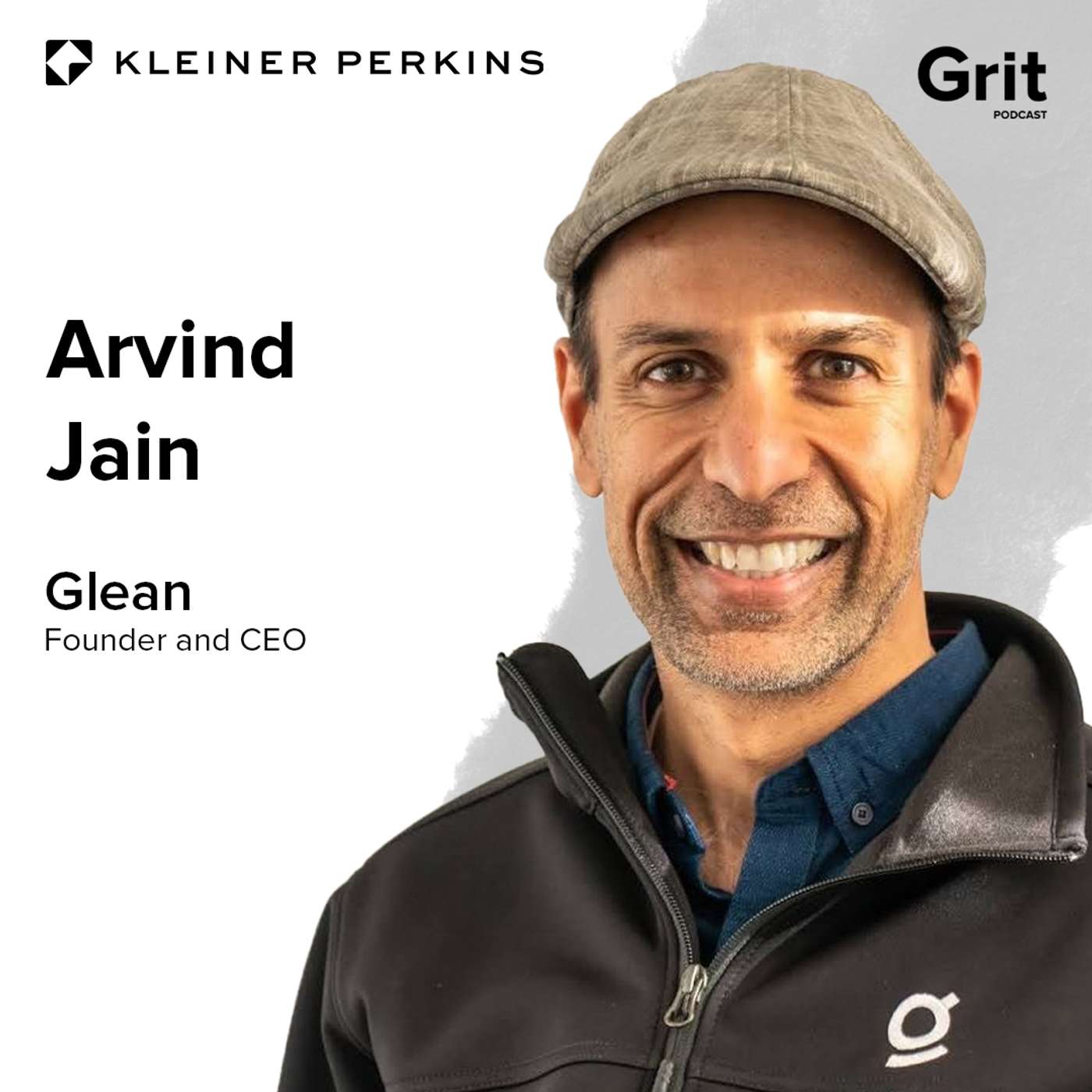
To maintain agility in the fast-paced AI landscape, Arvind Jain actively encourages his R&D team to throw out old code. He believes rewarding code deletion at the same level as building new features is essential to prevent the company from slowly becoming a legacy software stack.
AI allows every company to expand its product surface area, creating messy overlaps with partners and competitors. Arvind Jain views this as a temporary phase. Ultimately, companies will realize they can't do everything and will have to refocus on their core strengths to compete effectively.
Glean has updated its interview process to screen for "AI fluency" across all departments. They don't expect expertise. Instead, they test for curiosity and initiative by asking candidates how they've personally used AI, looking for a mindset that embraces new ways of working.
With AI models evolving rapidly, last year's tech is likely obsolete. CEO Arvind Jain argues a fixed "moat" prevents adaptation. The real moats are organizational agility—the speed at which you can replace old code—and deep customer partnerships where you co-create value.
The startup grind is relentless and doesn't magically disappear after a milestone. Arvind Jain advises his team that the feeling of being on a treadmill will persist. Therefore, the key to survival is to find enjoyment in the daily work itself, not in a hypothetical future success.
Arvind Jain clarifies that while he doesn't personally enjoy creating processes, he gets more annoyed by the lack of it. He sees process as a critical tool to avoid repeating work and answering the same questions, enabling the company to scale efficiently.
Arvind Jain insists on receiving written thoughts before discussions. It's partly for his own processing style (he absorbs information better by reading). More importantly, he believes the act of writing is the most effective way for anyone to structure their thoughts coherently and make better strategic decisions.
Obsessing over the next AI model is a distraction. Arvind Jain argues that even if model innovation stopped today, there are five years of massive growth ahead just from better applying existing capabilities. The real work is building valuable products on top of today's technology.
Reaching the 1,000-employee milestone wasn't a celebration for CEO Arvind Jain. Instead, it sparked panic about becoming a bloated, slow "big company" and highlighted the immense challenge of maintaining alignment and prioritization at scale.
While junior engineers quickly become AI power users, Glean sees that many productive senior engineers haven't adopted code-gen tools as heavily. Their core value lies in complex tasks like debugging, design, and troubleshooting—areas where current AI provides less leverage than in writing new code.