Get your free personalized podcast brief
We scan new podcasts and send you the top 5 insights daily.
After appearing on the Joe Rogan podcast, Palmer Luckey's messaging tools became unusable for 48 hours. The influx of over a thousand messages from everyone he's ever known created a 'denial-of-service' attack on his inbox, burying critical communications. This is an unintended consequence of mainstream media attention for founders.

Related Insights
A new problem emerged for OutboundSync with success: competitors systematically scraping the founder's LinkedIn posts and messaging every commenter. While frustrating, this is a clear market signal that the company has moved beyond obscurity and built a valuable brand with an audience worth targeting.

While going viral boosts vanity metrics like views and followers, it often attracts an audience far outside your ideal customer profile. This can result in a flood of unqualified leads, time-wasting inquiries, and negative comments, creating more operational overhead than actual business value.

Brian Halligan notes that the founder's experience is a constant state of '996' work hours and dealing with problems. He claims 90% of the inputs (emails, Slacks) are bad news, a ratio that surprisingly doesn't improve even when the company grows from a startup to having 10,000 employees.

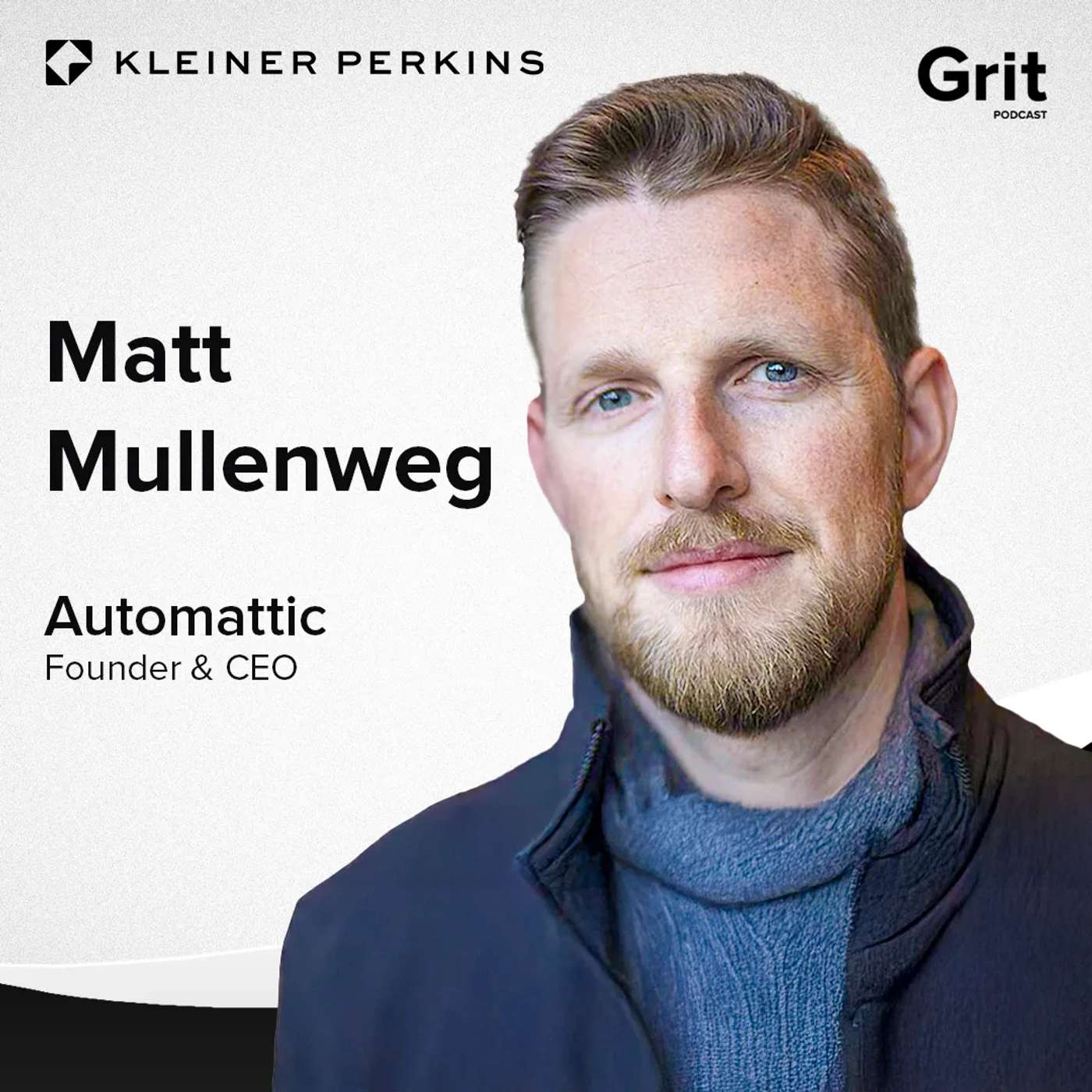
Matt Mullenweg notes that entrepreneurs inevitably cycle between being celebrated and vilified. Surviving this requires ignoring the noise and focusing on core principles and customers, recognizing even today's tech giants faced similar periods of extreme negative sentiment.
Instead of hiding during controversy, Sam Altman's strategy of continuous podcast appearances creates a constant stream of new content. This "post through the pain" approach ensures that any negative clips are quickly buried by the next news cycle, demonstrating a modern, aggressive communications tactic.

After his first event, negative social media feedback nearly caused the founder to quit Twitter. Advice from experienced CEOs reframed the trolling as a sign of visibility, teaching him that if you're reaching people, you can't only be visible to positive voices.

Contrary to the belief that success is measured by rapid email responses, the most important people for a founder to be responsive to are their own team. Prioritizing internal communication channels like Slack over an external email inbox ensures the team has the support it needs to execute effectively.

For well-funded founders, the downsides of PR can outweigh the benefits. Constant negative media attention is distracting for the team. Staying in deep stealth mode minimizes copycat competitors and keeps employees focused on innovation instead of public perception and damage control.

The most exceptional founders are so intensely focused on building their business that they deprioritize non-critical communication, even with investors. Their slow response time is a counter-intuitive signal of extreme dedication and focus, not disrespect.

Gaining initial sales from publicity is common but dangerous. It creates dependency on an uncontrollable source. Founders must recognize this as temporary and immediately build a sustainable, controllable marketing engine, like organic social media, before the press-driven sales dry up.
