Get your free personalized podcast brief
We scan new podcasts and send you the top 5 insights daily.
Instead of hiding during controversy, Sam Altman's strategy of continuous podcast appearances creates a constant stream of new content. This "post through the pain" approach ensures that any negative clips are quickly buried by the next news cycle, demonstrating a modern, aggressive communications tactic.

Related Insights
OpenAI's leaked "Code Red" memo is a lesson in leadership communication. Negative framing invites media scrutiny and hurts morale. A better approach is to use positive, action-oriented language like "lock in" or "we're taking that hill" to rally the team without signaling panic externally.

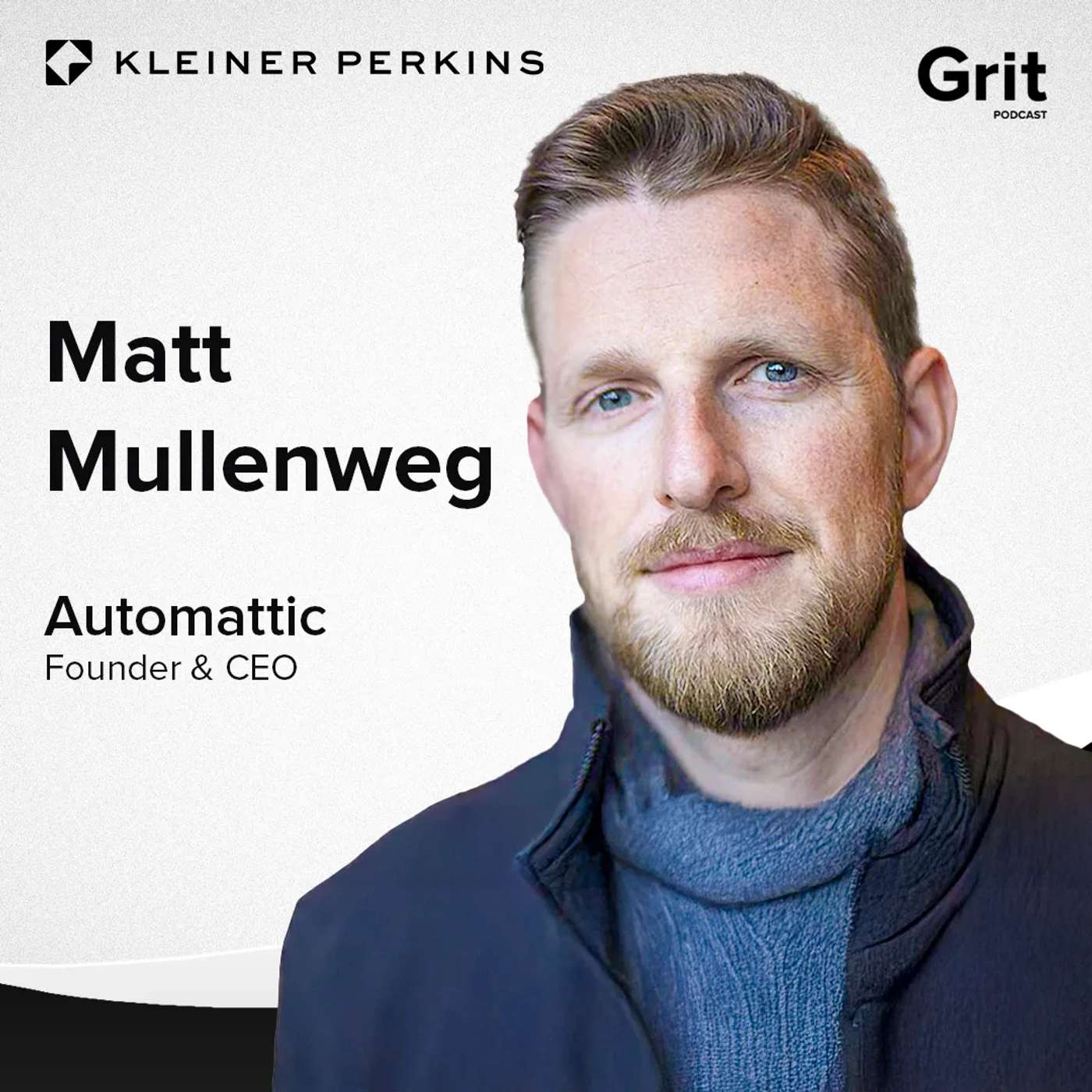
Matt Mullenweg notes that entrepreneurs inevitably cycle between being celebrated and vilified. Surviving this requires ignoring the noise and focusing on core principles and customers, recognizing even today's tech giants faced similar periods of extreme negative sentiment.
After backlash to his CFO's "backstop" comments, CEO Sam Altman rejected company-specific guarantees. Instead, he proposed the government should build and own its own AI infrastructure as a "strategic national reserve," skillfully reframing the debate from corporate subsidy to a matter of national security.
The AI industry operates in a "press release economy" where mindshare is critical. Competitors strategically time major news, like Anthropic's massive valuation, to coincide with a rival's launch (Google's Gemini 3) to dilute media impact and ensure they remain part of the conversation.

The era of tailoring messages to specific audiences (investors, public, employees) is over. In today's media landscape, a CEO's comment about job displacement on one podcast will be seen by the same people who hear them discuss utopia on another, creating a trust-eroding messaging paradox.
David Sacks hired defamation law firm Clare Locke to challenge a New York Times story he called a "hoax factory." This proactive legal strategy represents a shift where tech leaders are no longer just responding to articles but actively litigating and shaping the narrative before and during publication.
After facing backlash for over-promising on past releases, OpenAI has adopted a "low ball" communication strategy. The company intentionally underplayed the GPT-5.1 update to avoid being "crushed" by criticism when perceived improvements don't match the hype, letting positive user discoveries drive the narrative instead.

A podcast isn't just content; it's a tool for building parasocial relationships. This creates a "tuning fork" effect, attracting high-caliber listeners and guests who feel they already know you, leading to valuable real-world connections and opportunities.

CEOs don't just appear on challenging podcasts for external publicity. A key, often overlooked, motivation is to demonstrate strength and competence to their own internal teams. Successfully navigating a tough interview proves to employees that their leader can handle pressure, something that can't be authentically conveyed in a controlled corporate setting.

Sam Altman holding no shares in OpenAI is unprecedented for a CEO of his stature. This seemingly disadvantageous position paradoxically grants him more power by making him immune to accusations of purely financial motives, separating his leadership from personal capitalist gain.