Get your free personalized podcast brief
We scan new podcasts and send you the top 5 insights daily.
When David Choe started collecting Pokémon cards, he got a rare, high-value card in his first pack. He identifies this immediate, significant reward as the worst thing that could have happened, as it instantly validated the gamble and provided the dopamine hit needed to fuel a new, intense addiction.

Related Insights
Modern society turns normal behaviors like eating or gaming into potent drugs by manipulating four factors: making them infinitely available (quantity/access), more intense (potency), and constantly new (novelty). This framework explains how behavioral addictions are engineered, hijacking the brain’s reward pathways just like chemical substances.
Every addiction, from substance abuse to overeating, is a gamble. The addict is constantly betting against disastrous consequences, whether it's health problems, relationship ruin, or death. This reframes addiction not just as a dependency but as a high-stakes game against oneself.
True recovery requires identifying and removing precursor behaviors that, while not the addiction itself, reliably trigger overwhelming cravings. For a sports gambling addict, this meant cutting out all sports media—not just betting apps—to redesign his environment for success.

Addiction isn't defined by the pursuit of pleasure. It's the point at which a behavior, which may have started for rational reasons, hijacks the brain’s reward pathway and becomes compulsive. The defining characteristic is the inability to stop even when the behavior no longer provides pleasure and begins causing negative consequences.
Instead of focusing on the immediate gratification of an addictive behavior, use logic to forecast its ultimate conclusion. By "playing the tape out," you force yourself to confront the inevitable negative outcome—be it personal ruin, health failure, or relationship destruction—making the initial impulse less appealing.
Psychiatrist Anna Lemke details her own obsession with romance novels, which began innocently but escalated to needing more graphic content, hiding her reading, and losing interest in family and work. Her story shows how any highly reinforcing behavior, not just illicit drugs, can become a true addiction.
Winning provides a powerful but temporary high. However, for some gambling addicts, the intense emotional state of losing—and the accompanying shame and destruction—becomes the true addiction. This self-sabotage recreates familiar patterns of childhood trauma, making the pain of the bottom a sought-after feeling.
Constantly bombarding our reward pathways causes the brain to permanently weigh down the 'pain' side of its pleasure-pain balance. This alters our baseline mood, or 'hedonic set point,' meaning we eventually need our substance or behavior not to get high, but simply to escape a state of withdrawal and feel normal.
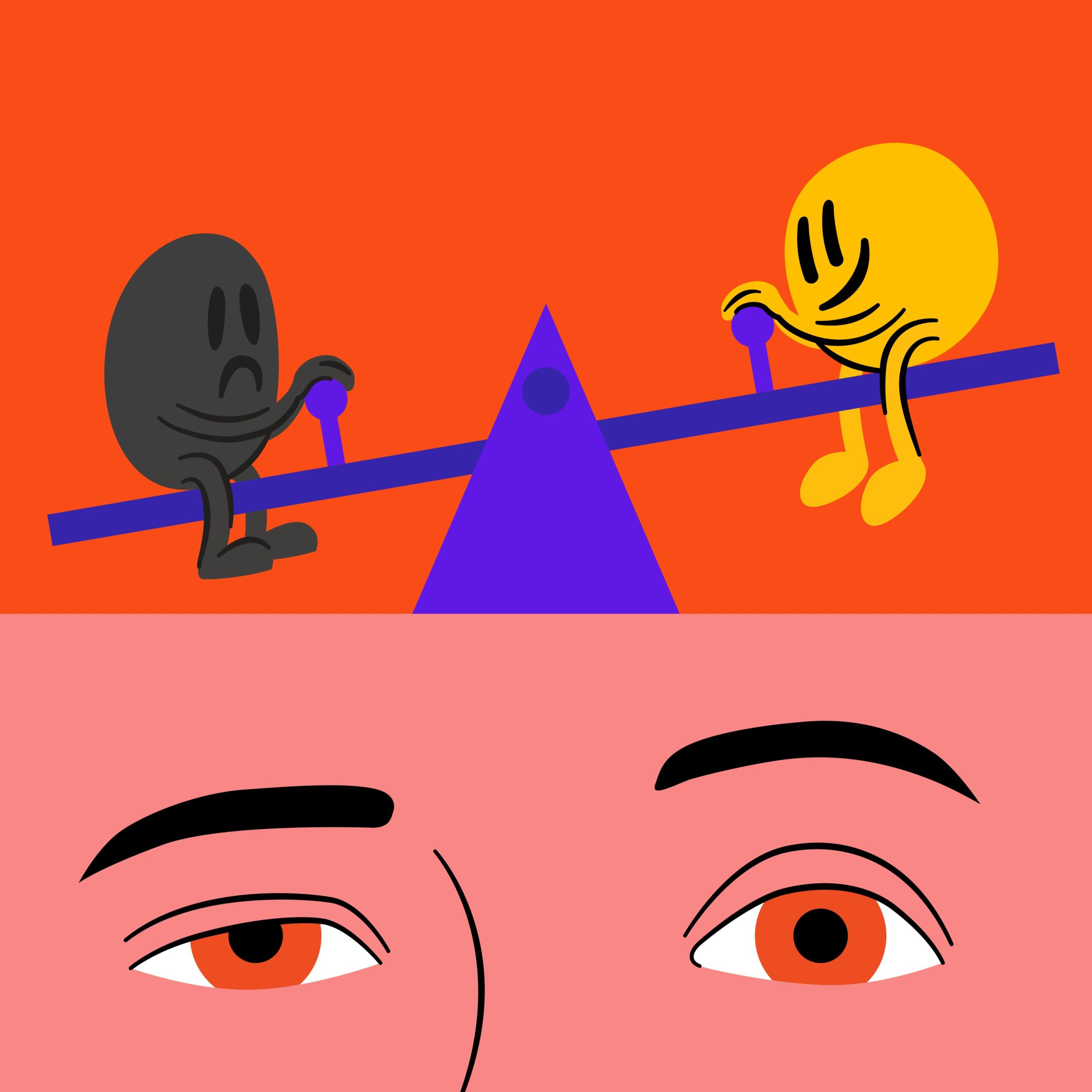
The brain maintains a pain-pleasure balance. Constantly triggering pleasure (dopamine) causes the brain to overcompensate by activating pain pathways, leading to a chronic dopamine-deficient state that manifests as anxiety, irritability, and depression.
Resolutions often fail because a specific brain network, the "value system," calculates choices based on immediate, vivid rewards rather than distant, abstract benefits. This system heavily discounts the future, meaning the present pleasure of a milkshake will almost always outweigh the vague, far-off goal of better health, creating a constant internal conflict.