Get your free personalized podcast brief
We scan new podcasts and send you the top 5 insights daily.
The high concentration of successful serial acquirers in the Nordics is attributed to a culture of transparency and non-hierarchical management. This flat structure makes it easier to acquire and empower founder-led businesses, fostering autonomy over rigid, top-down corporate control.

Related Insights
Amphenol runs as a federation of autonomous business units. This structure is key to its M&A success, as acquired companies retain their brand, culture, and customer intimacy. Sellers prefer Amphenol because they know their business won't be suffocated by a monolithic corporate hierarchy.
![Amphenol: The Nervous System for Electronics - [Business Breakdowns, EP.231] thumbnail](https://megaphone.imgix.net/podcasts/12224090-a969-11f0-8376-17eec14dbeda/image/0a04e3a7a1043d5d8dc383bcb4a6cdc1.jpg?ixlib=rails-4.3.1&max-w=3000&max-h=3000&fit=crop&auto=format,compress)
Successful large-scale acquirers remain nimble, flexing their own processes to suit the acquired company rather than force-fitting it into a rigid corporate structure. This preserves the culture and talent that made the company valuable, preventing value destruction and keeping the new team engaged.

Contrary to standard practice, Palo Alto Networks' CEO Nikesh Arora has his teams report to the founders of companies he acquires. His rationale: the startup "kicked your ass" with fewer resources, proving their superior approach. This structure empowers the innovators and forces the acquirer to learn from them.

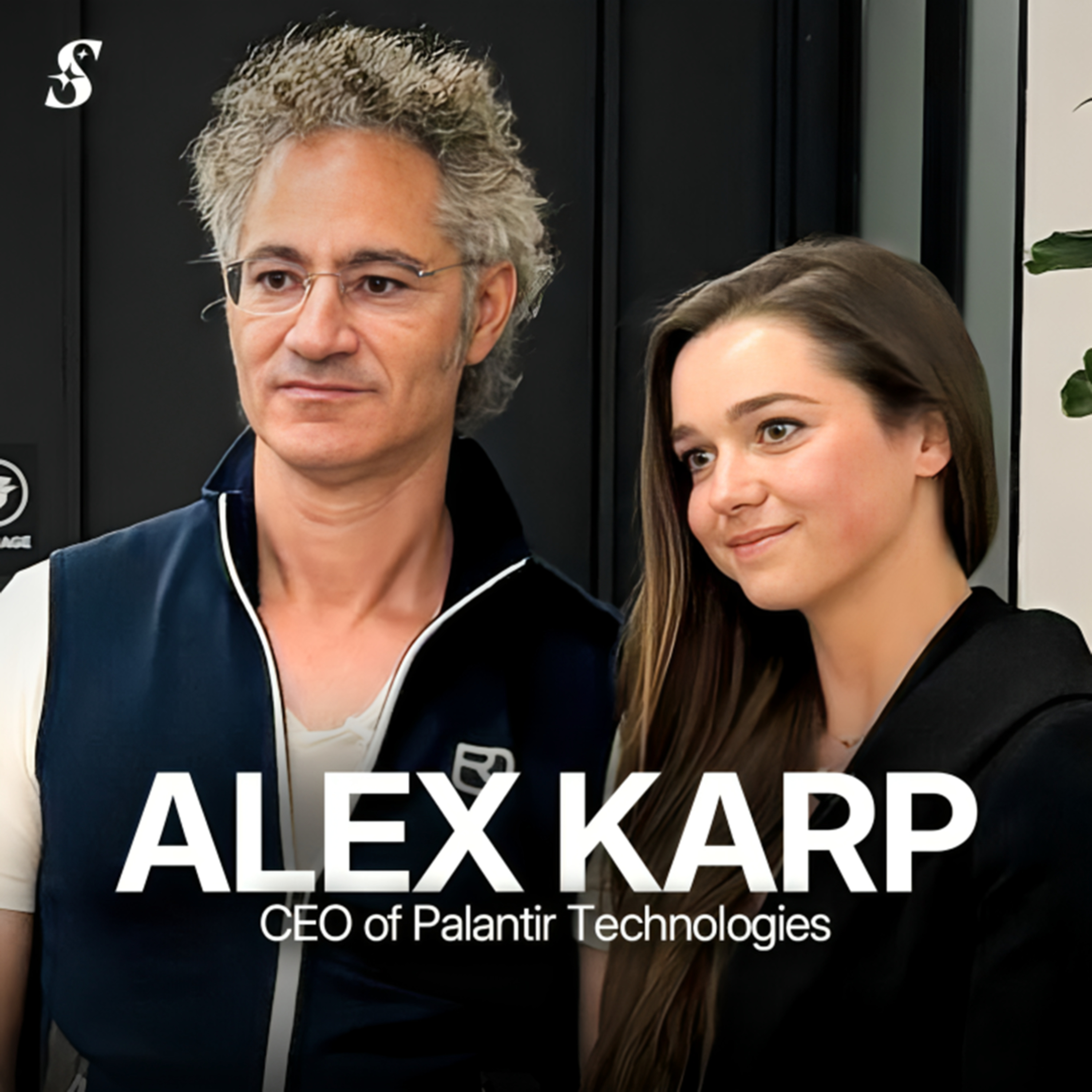
Palantir's success stems from its "anti-playbook" culture. It maintains a flat, meritocratic structure that feels like a startup despite its size. This environment fosters original thinking and rewards those who excel outside of rigid, conventional frameworks, turning traditionally undervalued traits into strengths.
Sweden's success in producing serial acquirers stems from a high-trust national culture. This environment allows for the radical decentralization necessary for these complex holding companies to scale, a feat harder to replicate in lower-trust societies where centralized control is more common.

A company's rate of aging is directly correlated with its layers of hierarchy. By maintaining a very flat structure, 20-year-old Palantir "anti-ages," retaining the fresh, agile vibe and rapid decision-making of a young startup while possessing the scale and knowledge of a mature company.
Contrary to typical M&A playbooks, the Nordic compounder model intentionally avoids pursuing cost synergies. The core belief is that the motivation and empowerment derived from granting acquired companies full autonomy generate far more long-term value than any short-term gains from centralization.
To achieve massive output with a small team (~127 people), Kalshi relies on a few core principles. The founders set a relentless work pace, maintain a flat organization with many direct reports, and dynamically assign talent to the company's biggest problems rather than adhering to a rigid org chart.

To prevent stagnation as the company scales, Notion intentionally acquires small, founder-led startups. These 50+ acquired founders act as internal disruptors, injecting entrepreneurial energy, breaking down bureaucracy, and constantly regenerating the company's innovative spirit.

A key to M&A success is creating a founder-friendly environment. Avoid killing entrepreneurial spirit by forcing founders into a rigid matrix organization. Instead, maintain the structures that made them successful and accelerate them by providing resources from the parent company.