Get your free personalized podcast brief
We scan new podcasts and send you the top 5 insights daily.
A key to M&A success is creating a founder-friendly environment. Avoid killing entrepreneurial spirit by forcing founders into a rigid matrix organization. Instead, maintain the structures that made them successful and accelerate them by providing resources from the parent company.

Related Insights
When a large company acquires a startup, the natural tendency is to impose its standardized processes. Successful integration requires a balance: knowing which systems to standardize for leverage while allowing the acquired team to maintain its freewheeling, startup-style execution.
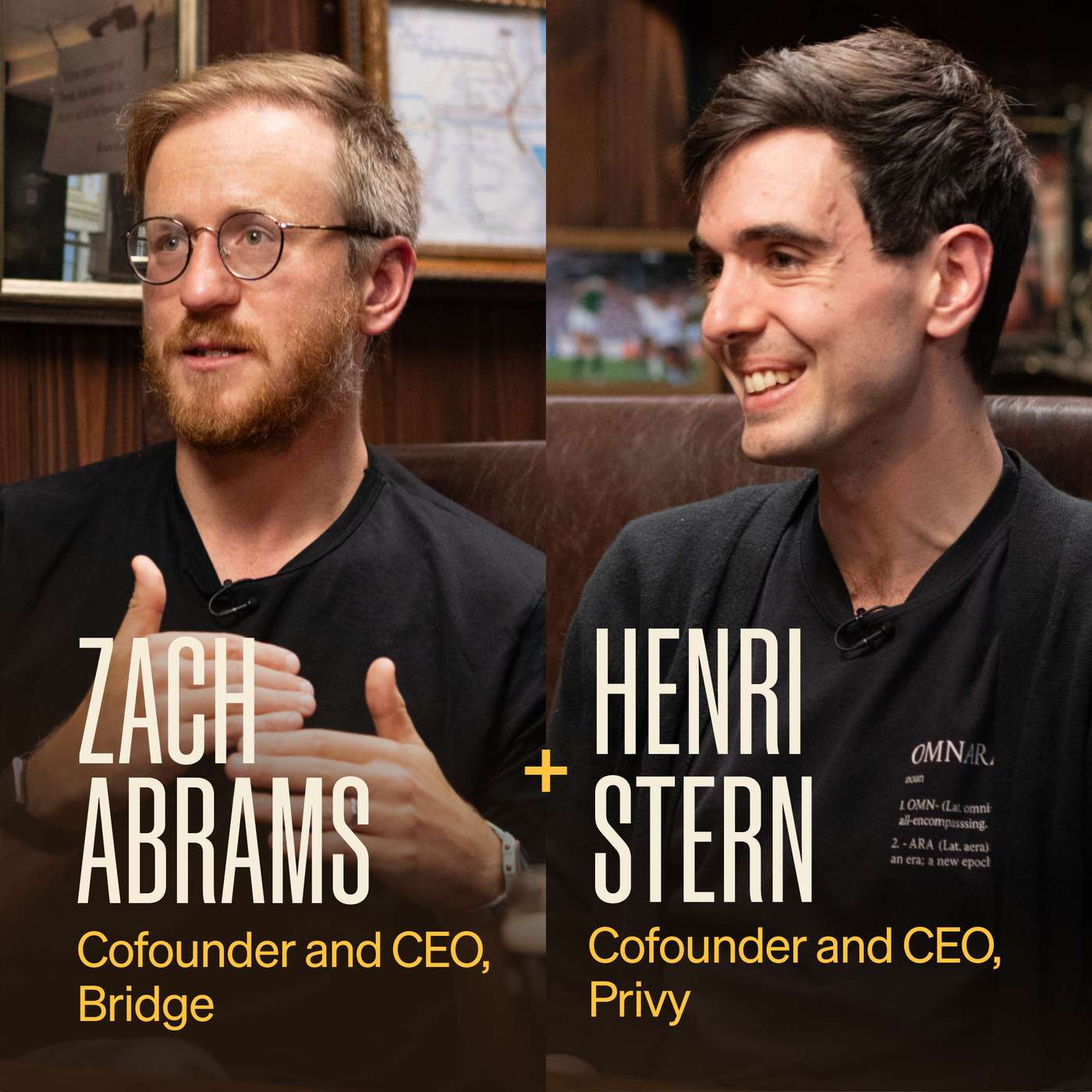
To ensure Day 1 alignment and retain key talent, treat integration planning as a collaborative process. Share the developing integration plan with the target's leadership during due diligence. This allows them to validate assumptions, provide critical feedback, and feel like partners in building the future company, rather than having a plan imposed on them.

Alex Bouaziz's core M&A principle, learned from his father, is to optimize for long-term satisfaction over short-term leverage. Even when holding the upper hand in negotiations, he structures deals to be fair for both sides. The goal is for both the acquirer and the acquired founder to look back in five years and feel the deal was a great outcome, ensuring better integration and alignment.

When integrating acquired biotechs, Merck prioritizes retaining key talent and preserving ongoing science. The strategy involves immediate face-to-face engagement to reduce anxiety, followed by a pragmatic assessment of which processes must be standardized versus which can remain to avoid disrupting critical trials, a practice they call avoiding 'mercification'.

Palo Alto Networks' M&A playbook defies convention. Instead of integrating an acquisition under existing managers, they often replace their own internal team with the acquired leaders. The logic is that the acquired team won in the market with fewer resources, making them better equipped to lead that strategy forward.

During a merger, prioritize people over process. Technical integration is secondary to building trust between teams. Use simple, cultural activities like joint happy hours and "show-and-tells" about the tech stack to humanize the engineering effort and foster empathetic collaboration early on.

A one-size-fits-all integration can destroy the culture that made an acquisition valuable. When State Street acquired software firm CRD, it intentionally broke from its standard process, allowing CRD to keep its brand identity, facilities, and even email domain to preserve its creative culture and retain key talent.
Beyond financials or deal terms, the single most cited frustration for founders post-acquisition is the loss of control over the company culture they built. This emotional attachment often outweighs other challenges, highlighting what founders truly value.

Viewing acquisitions as "consolidations" rather than "roll-ups" shifts focus from simply aggregating EBITDA to strategically integrating culture and operations. This builds a cohesive company that drives incremental organic growth—the true source of value—rather than just relying on multiple arbitrage from increased scale.
To retain founders who've already cashed out, use a dual incentive. Offer rollover equity in the new parent company for long-term alignment ('a second bite at the apple'), and a cash earn-out tied to short-term growth targets. This financial structure is crucial when managing wealthy, independent operators who don't need the job.