Get your free personalized podcast brief
We scan new podcasts and send you the top 5 insights daily.
In an era of extended private markets, secondaries are a critical talent retention strategy. Offering recurring liquidity programs for employees prevents top performers, who are often fully vested and over-concentrated in one stock, from leaving to diversify their wealth by joining other companies.
Related Insights
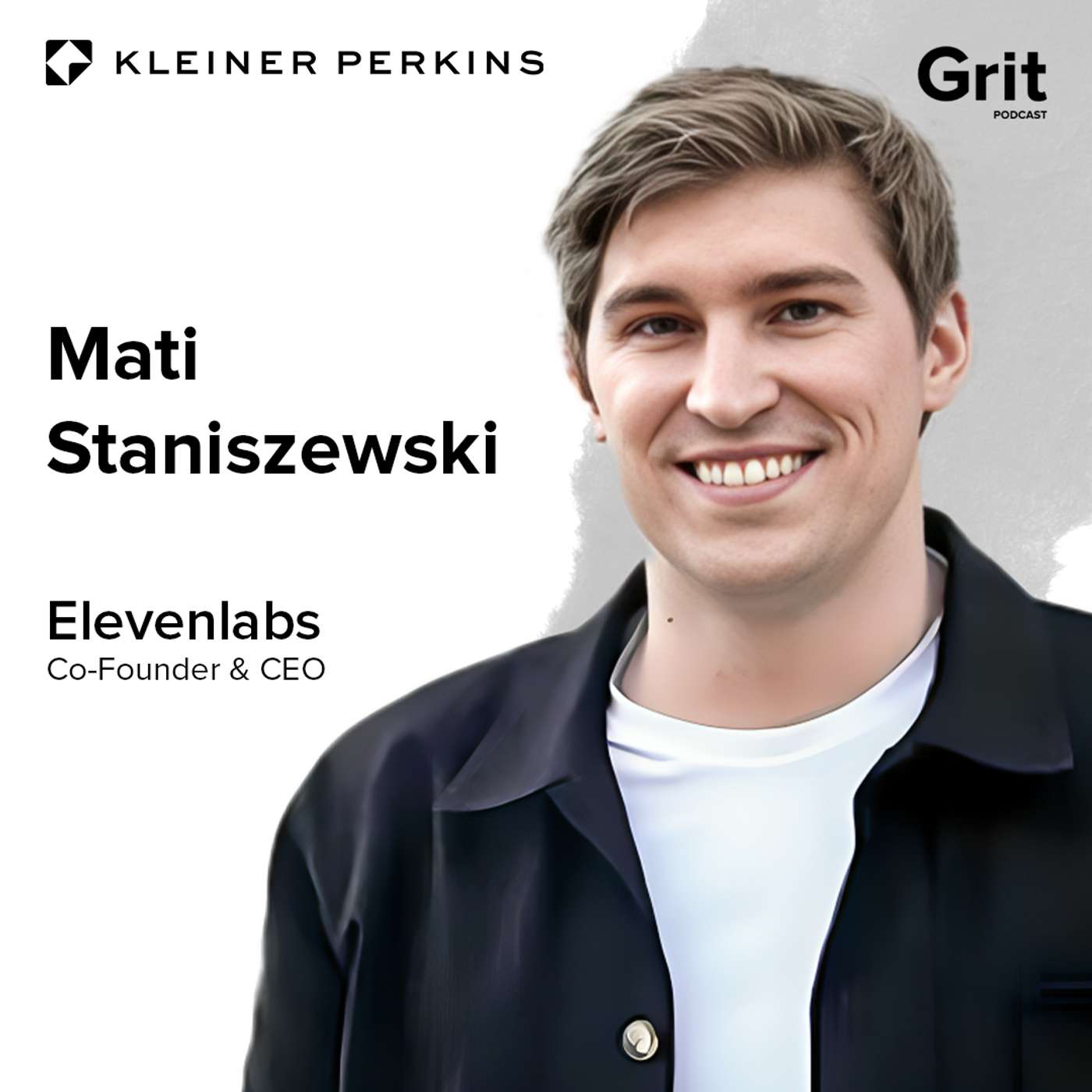
ElevenLabs raised a $100M round entirely for employee secondaries. The CEO's rationale is that by allowing early team members to de-risk and realize financial gains, it solidifies their commitment to the company's multi-year mission rather than creating pressure for a quick exit.
Instead of relying on venture-led secondary sales, Column uses 25% of its annual earnings to conduct its own tender offers. This provides regular liquidity to employees, enhances retention, and aligns the team long-term without the dilution from new funding rounds.
![William Hockey - Building the Operating System for the Dollar and Silicon Valley Heresy - [Invest Like the Best, EP.463] thumbnail](https://megaphone.imgix.net/podcasts/fafd11c6-2198-11f1-9f4c-331b7fdffb5f/image/c8ee4ccf34b48dd3ef4ded6a34c1f70c.jpg?ixlib=rails-4.3.1&max-w=3000&max-h=3000&fit=crop&auto=format,compress)
Private companies like SpaceX neutralize the talent-attraction power of public company RSUs by running regular, predictable tender offers. This provides employees with consistent liquidity, making private stock nearly as compelling as its public counterpart, but without the market volatility.

Top companies like Stripe or SpaceX can stay private forever by using robust secondary markets to provide liquidity to employees and investors. This allows them to focus on long-term growth without the burdens of public company reporting and quarterly profit pressures.

Vested works directly with employees because startups find small, one-off secondary transactions burdensome due to legal fees and cap table complexity. However, this dynamic inverts at scale. Once Vested facilitates millions in transactions for a single company's stock, the startup has a strong incentive to partner on a formal liquidity program.

Vested neutralizes non-delivery risk, a major concern in private markets. By funding exercises, they ensure the employee retains a majority of their stock, aligning incentives. Small deal sizes ($50k-$100k) make it economically irrational for an employee to default and ruin their reputation, leading to a 100% delivery rate.
Top private companies like SpaceX run regular tender offers, allowing employees to sell vested stock. This provides predictable liquidity, effectively competing with the quarterly RSU payouts offered by public tech giants without the market volatility.

Andrej Karpathy asserts that the liquidity of employee stock options is the "dominant first order term" driving talent behavior at frontier AI labs. Poor liquidity, as allegedly seen at Anthropic, reduces employee churn as it makes it harder for talent to leave and fund new ventures.

The number of founders taking secondary liquidity after their seed round is twice as high as the 2021 peak. While this de-risks the journey for founders, there is almost no parallel liquidity offered to early employees, creating a growing divide in early-stage risk and reward.

A service company's primary asset is its people. To prevent your best talent from leaving and becoming competitors, you must give them significant equity. This transforms their mindset from employee to owner, aligning their interests with the firm's long-term success and growth.