Get your free personalized podcast brief
We scan new podcasts and send you the top 5 insights daily.
The number of founders taking secondary liquidity after their seed round is twice as high as the 2021 peak. While this de-risks the journey for founders, there is almost no parallel liquidity offered to early employees, creating a growing divide in early-stage risk and reward.

Related Insights
A massive valuation for a "seed" round can be misleading. Often, insiders have participated in several unannounced, cheaper tranches. The headline number is just the final, most expensive tier, used to create FOMO and set a high watermark for new investors.

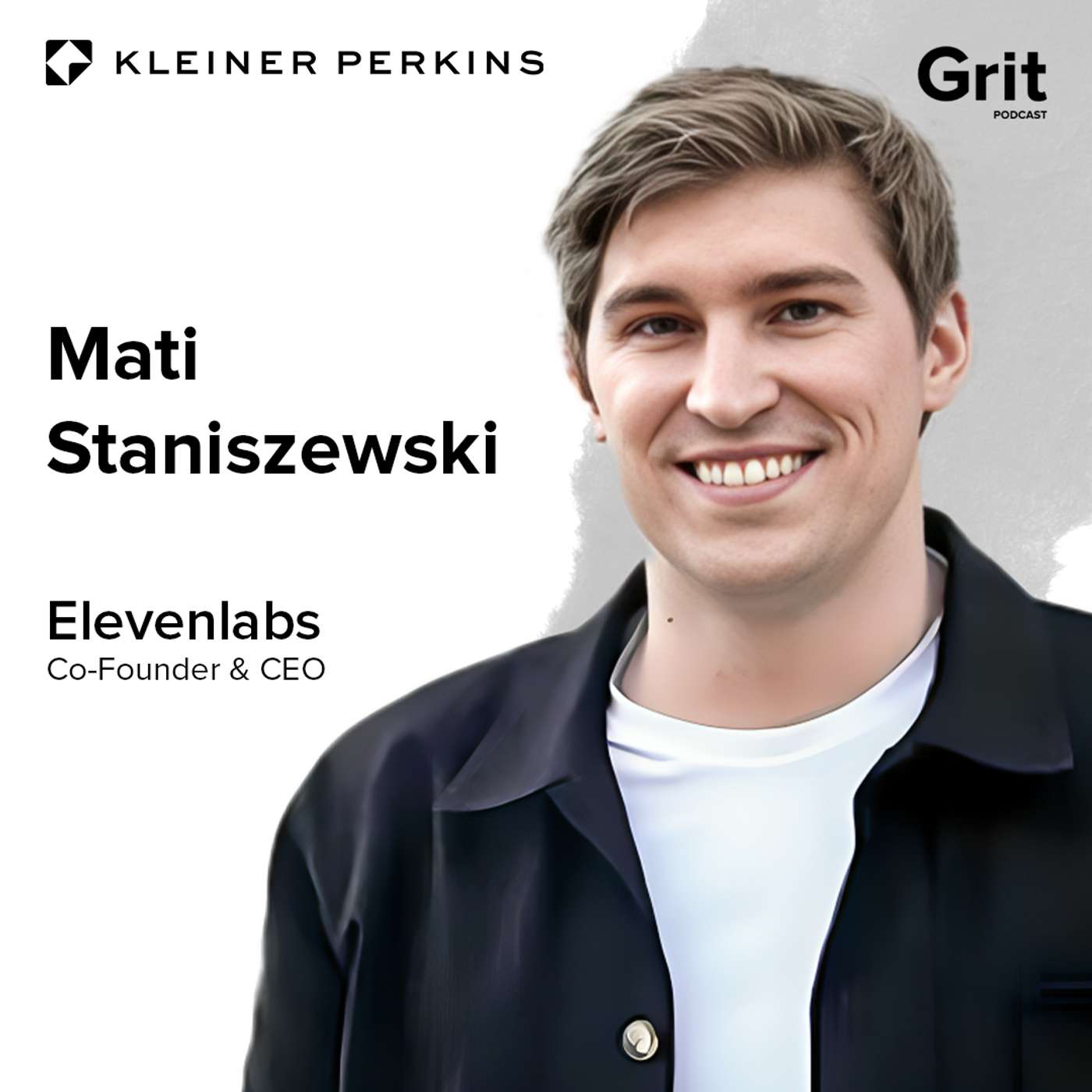
ElevenLabs raised a $100M round entirely for employee secondaries. The CEO's rationale is that by allowing early team members to de-risk and realize financial gains, it solidifies their commitment to the company's multi-year mission rather than creating pressure for a quick exit.
The traditional IPO exit is being replaced by a perpetual secondary market for elite private companies. This new paradigm provides liquidity for investors and employees without the high costs and regulatory burdens of going public. This shift fundamentally alters the venture capital lifecycle, enabling longer private holding periods.

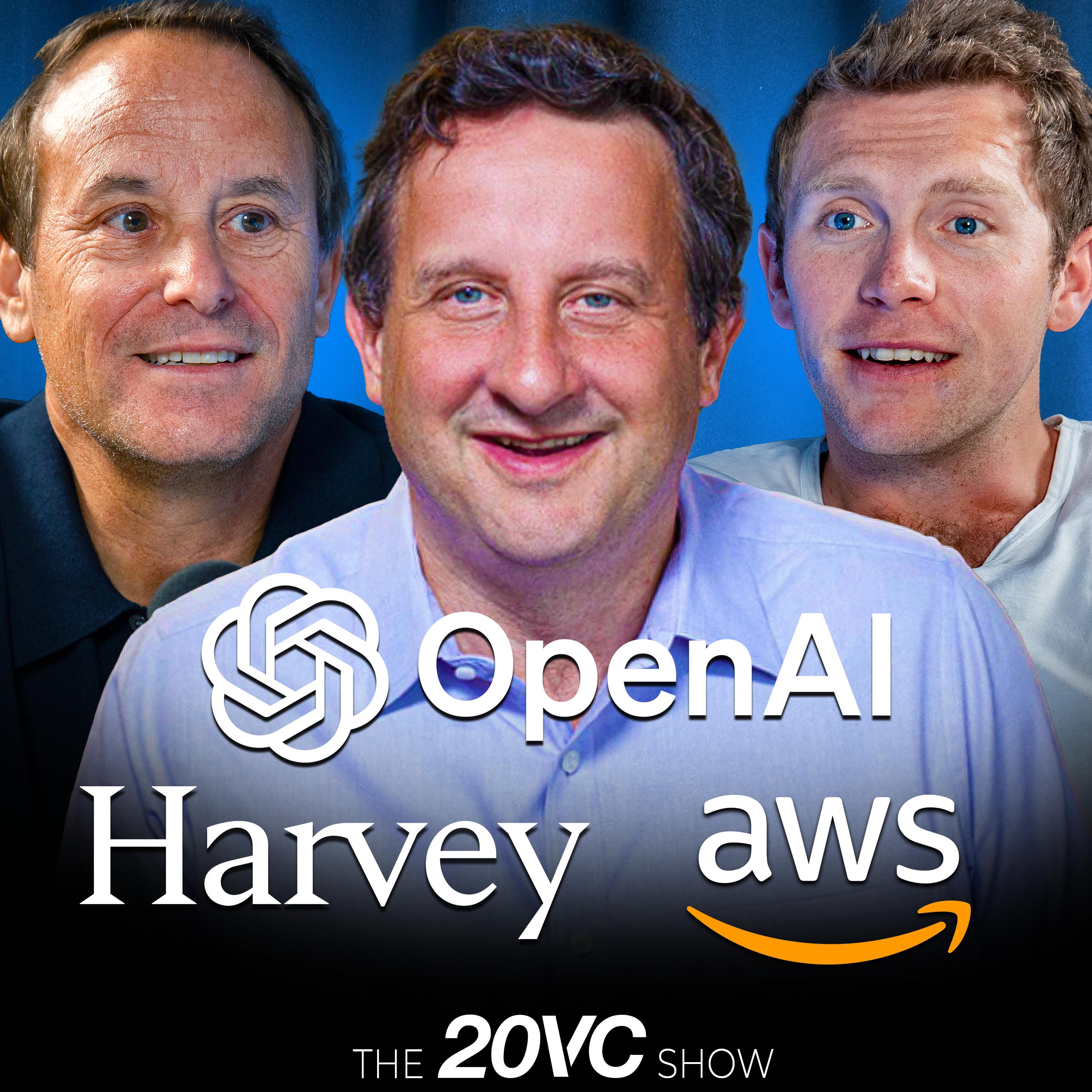
The trend of allowing employees to sell shares in secondary transactions before investors get liquidity is a problem. Lior Susan argues this creates a fundamental misalignment, as historically, employees and investors realized returns at the same time. The system needs rethinking for long-duration private companies.
Y Combinator's model pushes companies to raise at high valuations, often bypassing traditional seed rounds. Simultaneously, mega-funds cherry-pick the most proven founders at prices seed funds cannot compete with. This leaves traditional seed funds fighting for a narrowing and less attractive middle ground.
Seed-focused funds have a powerful, non-obvious advantage over multi-stage giants: incentive alignment. A seed fund's goal is to maximize the next round's valuation for the founder. A multi-stage firm, hoping to lead the next round themselves, is implicitly motivated to keep that valuation lower, creating a conflict of interest.

Vested works directly with employees because startups find small, one-off secondary transactions burdensome due to legal fees and cap table complexity. However, this dynamic inverts at scale. Once Vested facilitates millions in transactions for a single company's stock, the startup has a strong incentive to partner on a formal liquidity program.

The rise of founder-optimized fundraising—raising smaller, more frequent rounds to minimize dilution—is systematically eroding traditional VC ownership models. What is a savvy capital strategy for a founder directly translates into a VC failing to meet their ownership targets, creating a fundamental conflict in the ecosystem.
A business transitions from a founder-dependent "practice" to a scalable "enterprise" only when the founder shares wealth and recognition. Failing to provide equity and public credit prevents attracting and retaining the talent needed for growth, as top performers will leave to become owners themselves.

Vested neutralizes non-delivery risk, a major concern in private markets. By funding exercises, they ensure the employee retains a majority of their stock, aligning incentives. Small deal sizes ($50k-$100k) make it economically irrational for an employee to default and ruin their reputation, leading to a 100% delivery rate.