Get your free personalized podcast brief
We scan new podcasts and send you the top 5 insights daily.
To bypass exploitative middlemen, La Colombe had to do more than just show up. In places like Haiti, they had to prove their commitment by returning "time and time and time again." This consistency built the trust necessary for farmers to risk working with them directly.

Related Insights
To land their first account, the founders walked into the kitchen of the nation's #1 restaurant, uninvited, and prepared their coffee directly for the demanding chef. The product's quality spoke for itself, securing the deal on the spot and creating immediate industry buzz.
The brand avoids direct sales pitches in its content. Instead, it provides value by publishing hundreds of free recipes. This "give first" strategy builds trust and a long-term relationship, leading to organic purchases when consumers are ready to buy at the supermarket.
To buy out a misaligned private equity firm, La Colombe's founders specifically sought a "craft-based" investor. They pitched Hamdi Ulukaya of Chobani not with a slide deck, but with an innovative product prototype. This shared appreciation for craft forged a strong, successful partnership.
Instead of mass-market appeal, La Colombe focused on becoming the coffee supplier for the world's best restaurants. They believed that if they could win over the most discerning palates, their reputation for quality would cascade down to the general public, creating an unassailable brand.
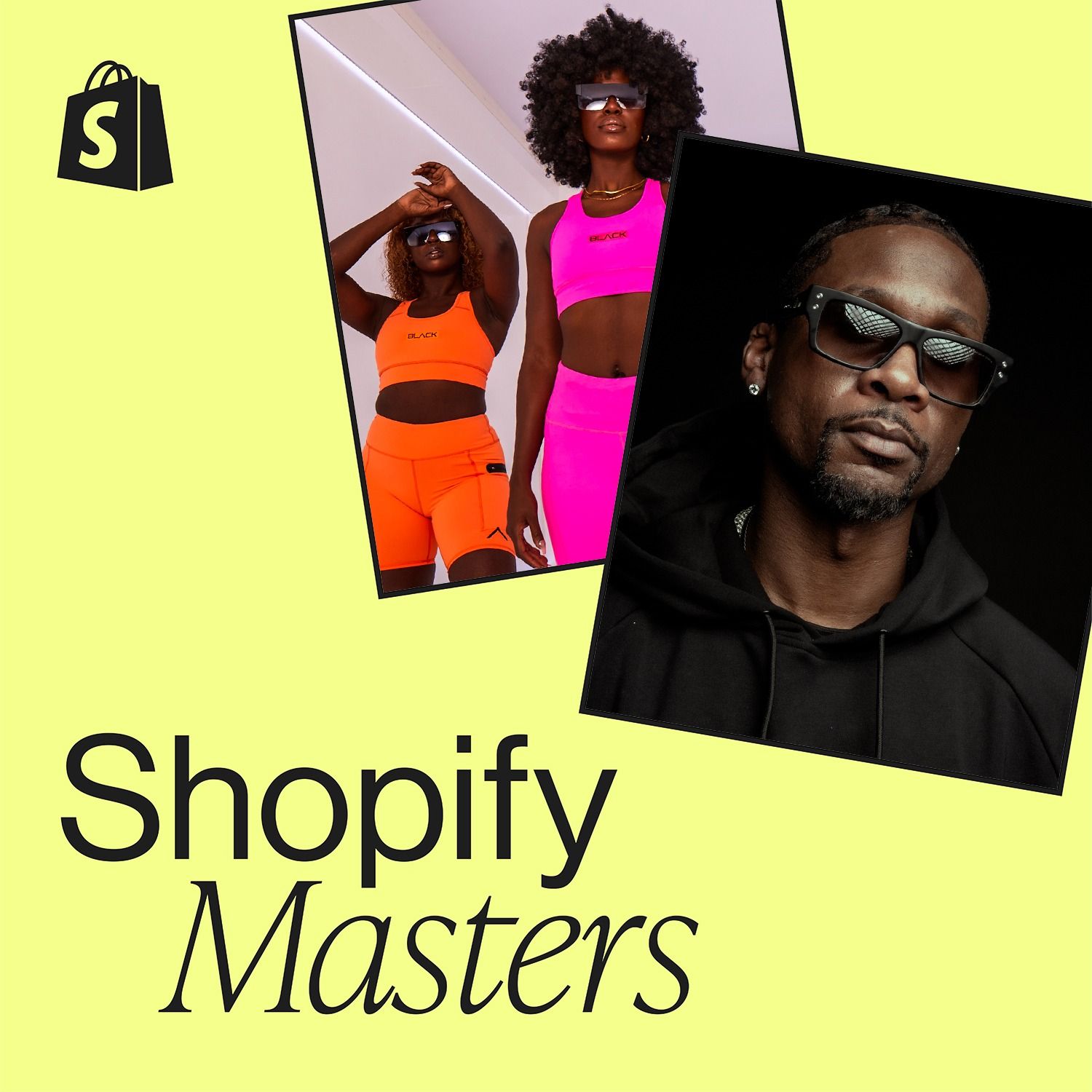
Instead of just reshoring manufacturing, Actively Black partnered with Black-owned cotton farms, transforming a logistical decision into a powerful brand narrative of "reclamation." This turned a product collection into one of their best-sellers, proving that supply chain choices can be a potent marketing tool.
During post-COVID supply chain disruptions, Simple Mills viewed the chaos as an opportunity. While competitors struggled with an 80% fill rate for retailer orders, Simple Mills invested to maintain 96%. This reliability built immense retailer trust and ensured their product was always on the shelf, allowing them to capture competitor market share.

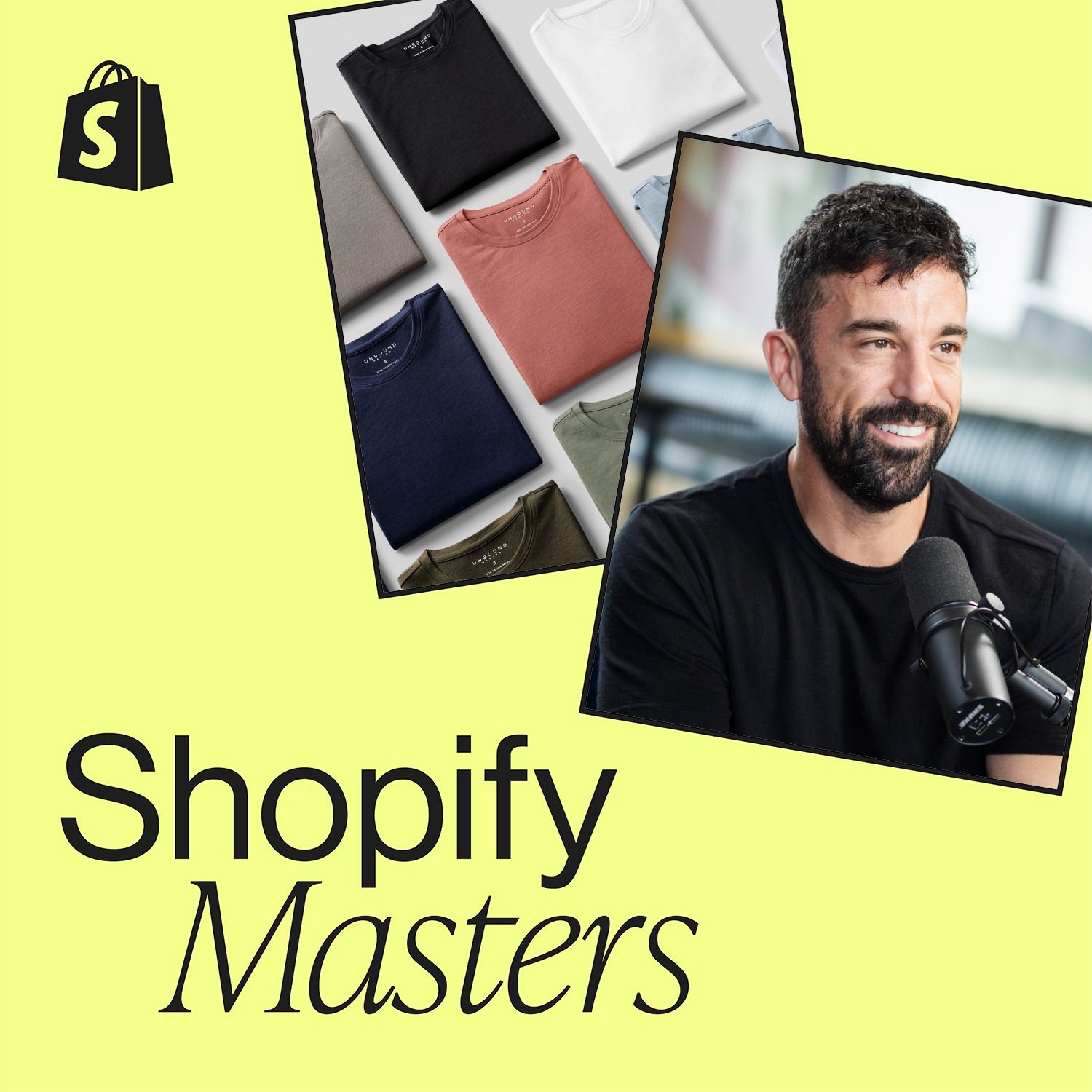
Paranoid about quality control with their first Alibaba supplier, Unbound Merino's founders flew to the factory for the initial production run. This seemingly inefficient act of being physically present built a strong personal relationship that became their primary safeguard for quality.
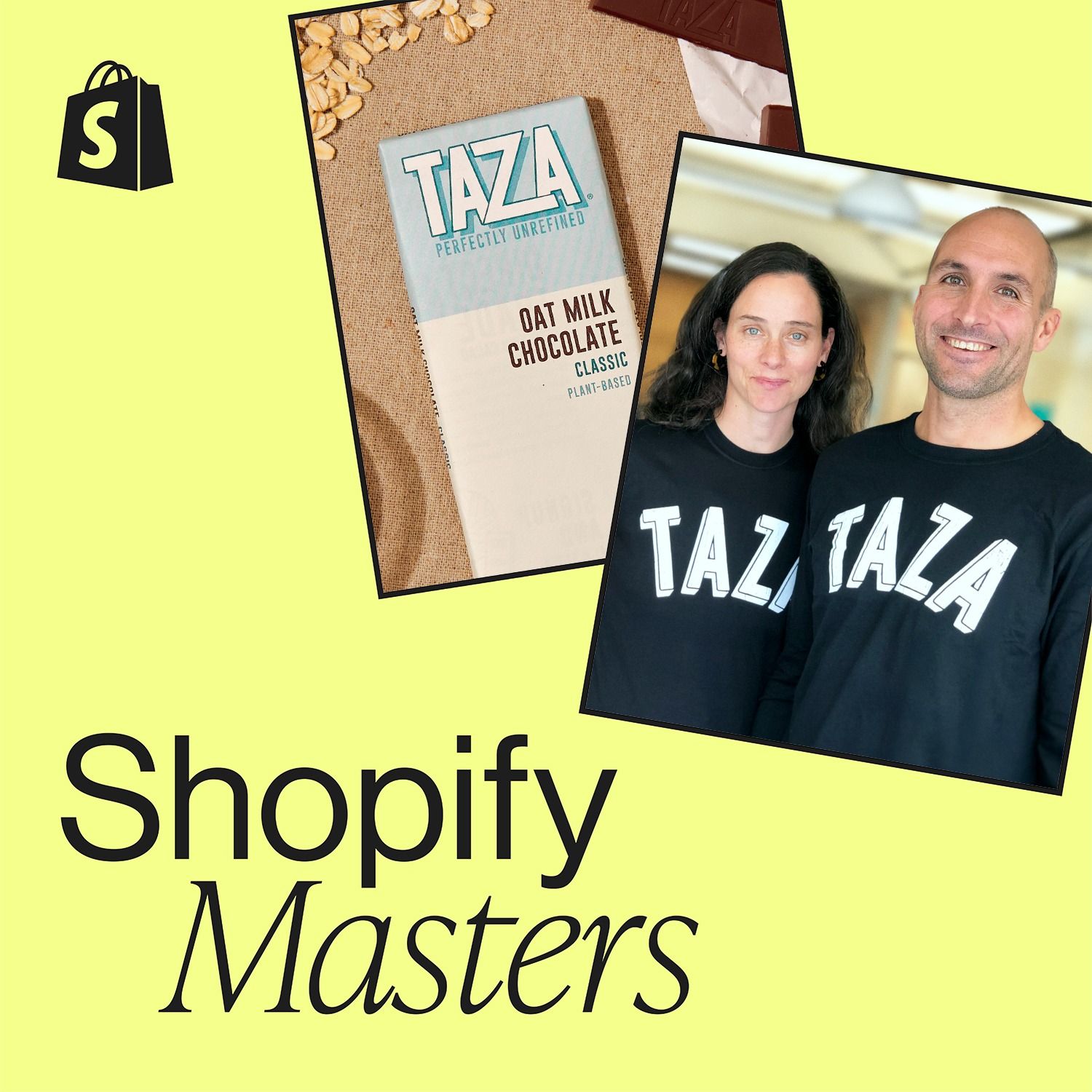
Taza pioneered "Direct Trade Cacao" but instead of guarding it as a trade secret, they openly shared the model. This encouraged competitors to adopt similar ethical sourcing practices, which helped build consumer trust and grow the entire premium chocolate market, benefiting Taza as a market leader.
Actively Black created a powerful brand narrative by building a 'Black owned supply chain,' using cotton from Black farmers for a 'Made in America' collection. This story of economic reclamation resonated so strongly with customers that it became a top-selling product line, proving a meaningful supply chain can be a brand's most compelling feature.

While Seattle was the coffee capital, La Colombe's founders intentionally chose Philadelphia, a city at an economic low point. They saw an opportunity to get in on the "ground floor" of a major city with no specialty coffee scene, allowing them to define the market instead of competing in a saturated one.