Get your free personalized podcast brief
We scan new podcasts and send you the top 5 insights daily.
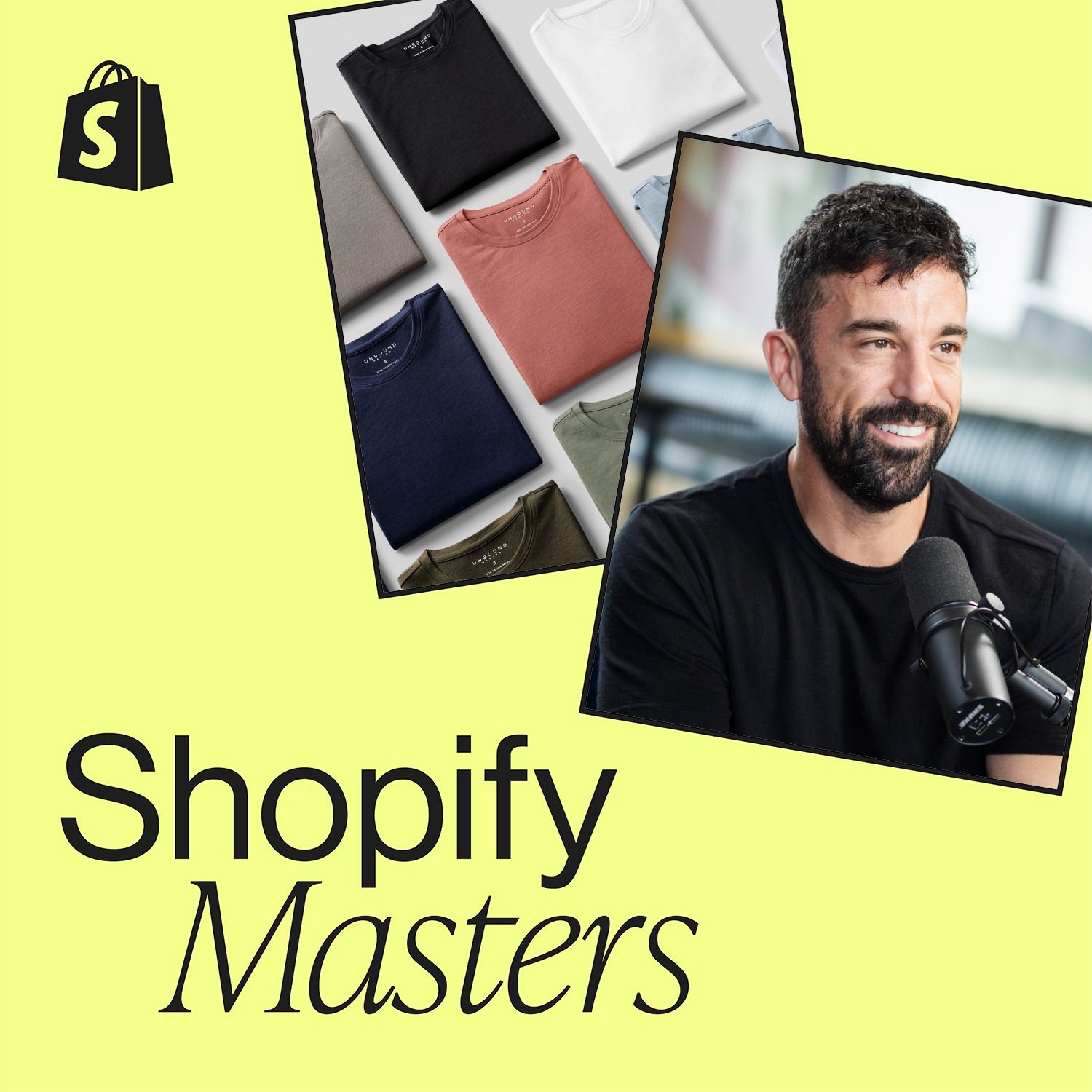
Paranoid about quality control with their first Alibaba supplier, Unbound Merino's founders flew to the factory for the initial production run. This seemingly inefficient act of being physically present built a strong personal relationship that became their primary safeguard for quality.
Related Insights
Contrary to popular belief, successful entrepreneurs are not reckless risk-takers. They are experts at systematically eliminating risk. They validate demand before building, structure deals to minimize capital outlay (e.g., leasing planes), and enter markets with weak competition. Their goal is to win with the least possible exposure.

Unbound Merino's founders reject the common wisdom that business and friendship don't mix. They argue it's an advantage because you start with baked-in trust and value alignment, making it easier and more enjoyable to navigate the inevitable challenges of building a company.
The conventional wisdom that you must sacrifice one of quality, price, or speed is flawed. High-performance teams reject this trade-off, understanding that improving quality is the primary lever. Higher quality reduces rework and defects, which naturally leads to lower long-term costs and faster delivery, creating a virtuous cycle.

Unbound Merino used its Indiegogo campaign as a definitive test for market demand, not just a funding tool. This framed the effort as a win-win: either a successful business would be born, or the founder would get a box of the custom t-shirts he personally wanted.
When factories in China refused to produce his insulated bottle, Travis didn't give up. He rented time on their assembly line and physically built the necessary machine modifications himself, buying screws and metal plates to adapt their equipment. This is an extreme form of taking ownership of the supply chain.

The idea for Unbound Merino came from the founder's own frustrating search for stylish, high-performance travel clothing. When he couldn't find what he wanted, he created it, correctly betting that many others shared his specific problem.
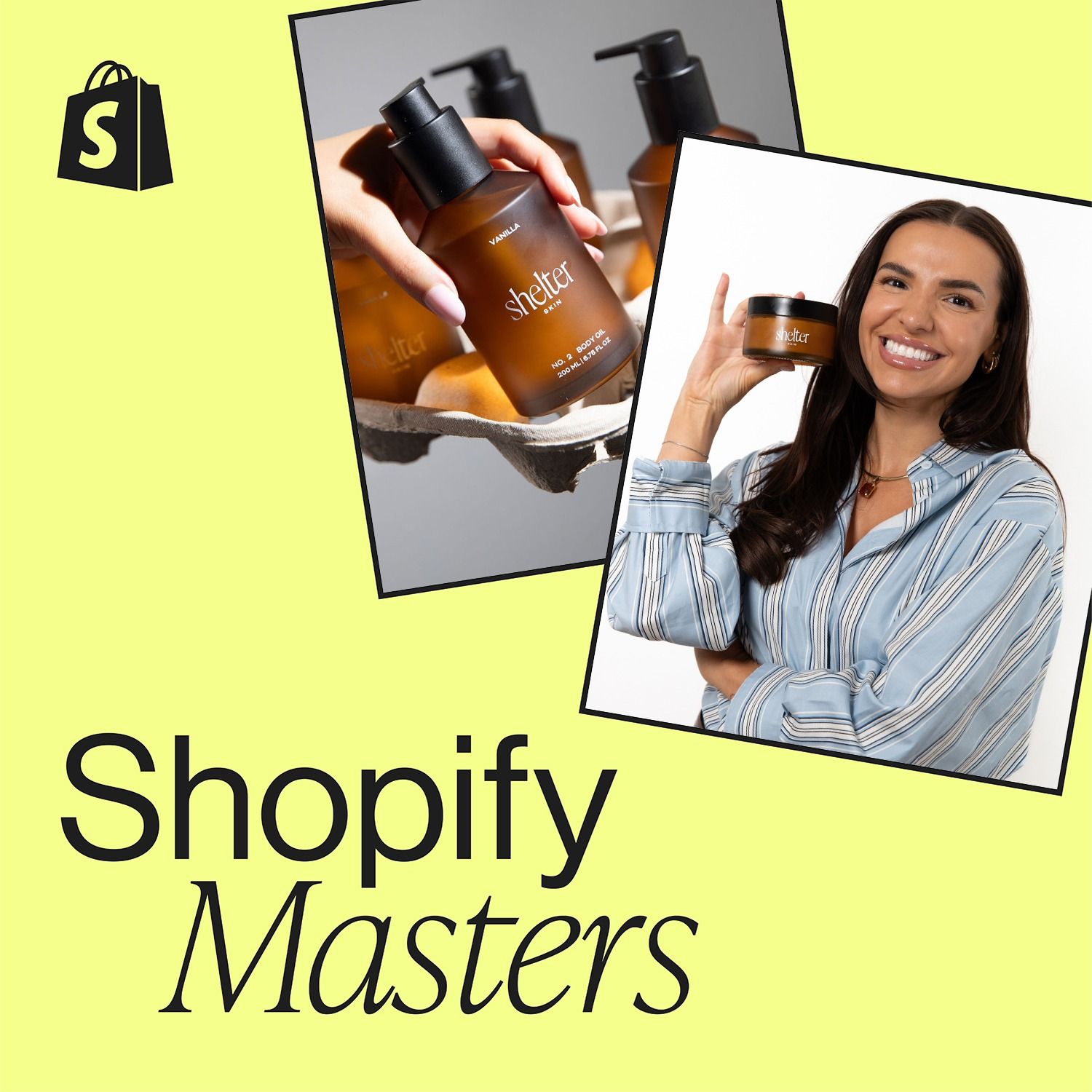
Founder Catherine Lockhart couldn't find a lab willing to work with her core ingredient (tallow) or meet her budget. She opted for the harder path of in-house manufacturing, which gave her full control over formulas and the ability to pivot quickly after launch issues.
Hamdi Ulukaya attributes Chobani's success in scaling without sacrificing product quality to his extreme operational commitment. For years, he rarely left the factory floor, ensuring standards were met firsthand. This underscores the value of deep, physical immersion for leaders in manufacturing and operations.
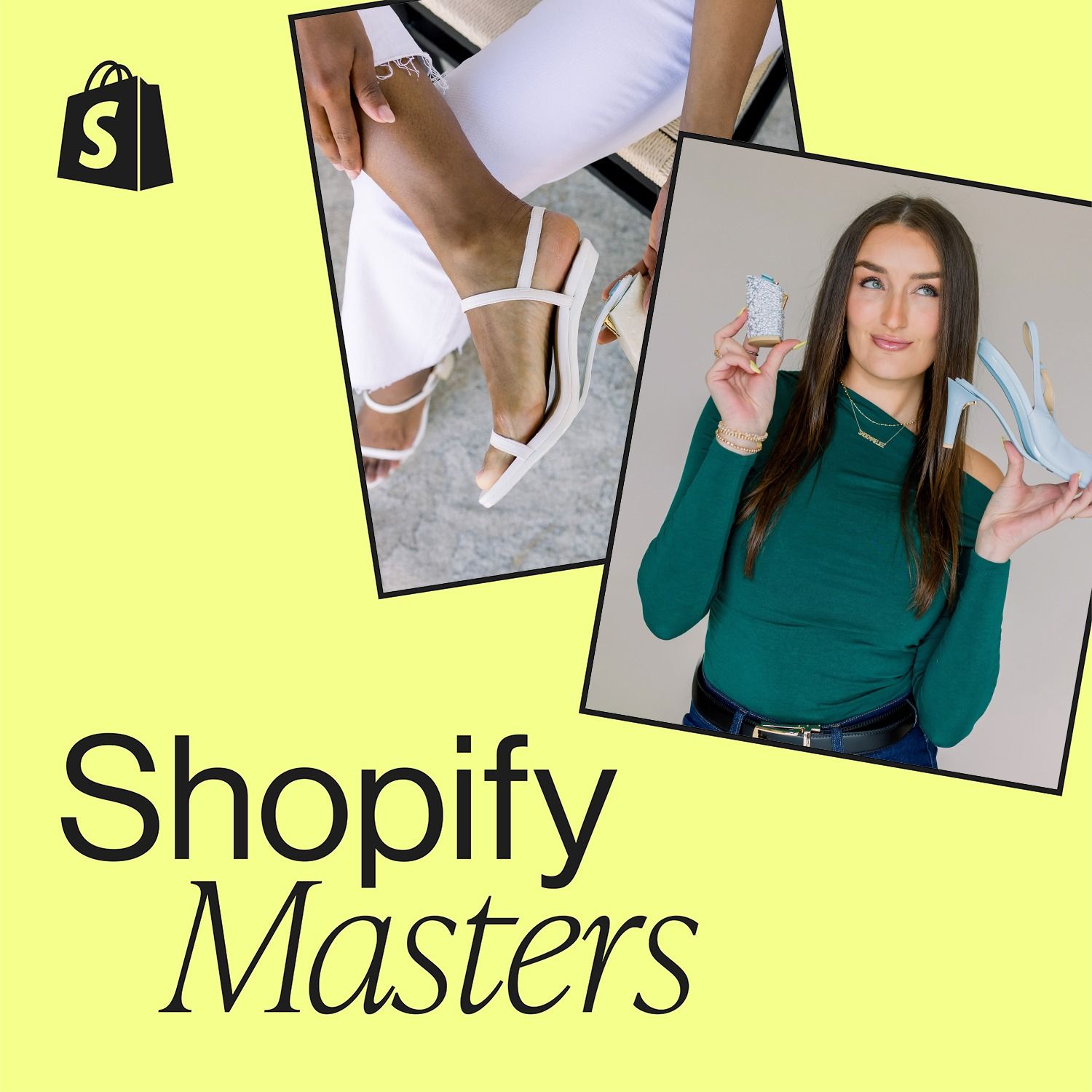
Unable to find footwear experts online, founder Haley Pavoni drove to a premier biomechanical testing firm. She walked in, pitched her idea to the CEO, and immediately got a shortlist of the exact development partners she needed, bypassing months of searching.
When Shelter Skin's first shipment melted in transit, their vertically integrated model was a lifesaver. They could immediately change product seals and packaging. Had they outsourced to a lab, they would have been stuck with 10,000 faulty units and a potential $150,000 loss.