Get your free personalized podcast brief
We scan new podcasts and send you the top 5 insights daily.
Believing the construction industry wouldn't adopt new software alone, EquipmentShare built a vertically integrated equipment rental business on top of their own tech platform. This allowed them to control the entire stack, demonstrate value, and drive change in a resistant market.

Related Insights
Gokul argues that single-function tools in a vertical have a limited ceiling. To achieve a decacorn valuation, vertical SaaS companies must aim to own the entire software stack for their niche, like ServiceTitan with its 30+ products for field services.

The belief that manufacturers are slow to move is a misconception stemming from their resistance to large, risky "rip and replace" projects. They are quick to scale solutions that demonstrate clear, immediate value in a small-scale pilot, making a land-and-expand sales motion highly effective.

Instead of selling software to traditional industries, a more defensible approach is to build vertically integrated companies. This involves acquiring or starting a business in a non-sexy industry (e.g., a law firm, hospital) and rebuilding its entire operational stack with AI at its core, something a pure software vendor cannot do.

Startups often fail to displace incumbents because they become successful 'point solutions' and get acquired. The harder path to a much larger outcome is to build the entire integrated stack from the start, but initially serve a simpler, down-market customer segment before moving up.

To overcome the construction industry's conservatism, Monumental operates as a subcontractor. This model is easier to sell than a large capital expenditure like a robot, as it fits existing project budgets and workflows, de-risking adoption for general contractors.

A powerful, non-obvious moat for software is deep integration with hardware. DJ software Serato partnered with hardware makers like Pioneer, becoming the industry standard. This makes switching extremely costly for users who have invested thousands in hardware, creating a durable competitive advantage.

Northwood cut ground station deployment time from 3 years to 3 months. They achieved this by vertically integrating the entire value chain—antenna R&D, land procurement, construction, and software APIs. This holistic approach aligns incentives and enables system-level optimization impossible with siloed vendors.

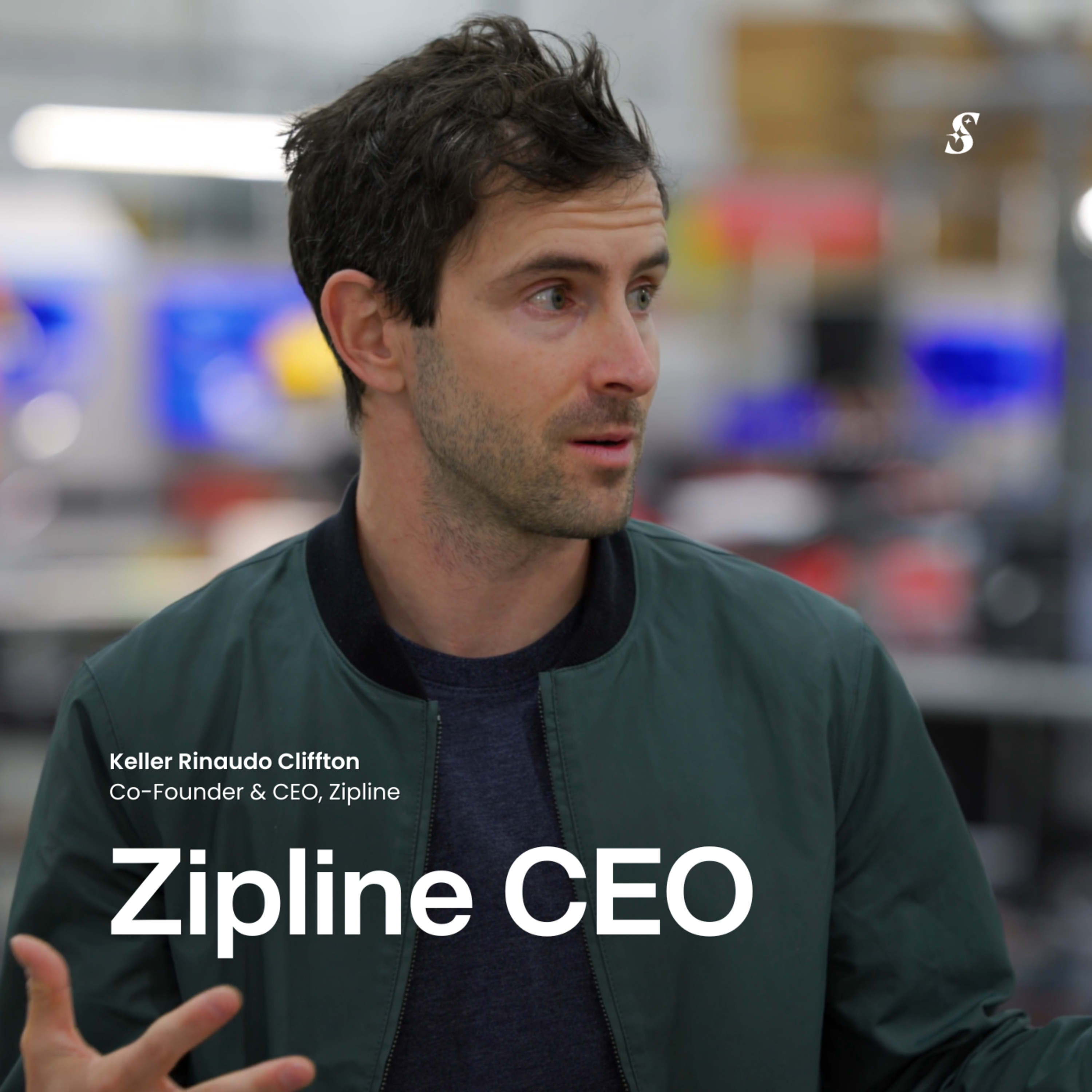
Zipline had to build its own components because the market only offered two extremes: cheap, unreliable consumer drone parts or prohibitively expensive military-grade systems. This "automotive grade" gap for reliable, cost-effective components forced them to vertically integrate to achieve their performance and cost goals.
John Morgan built the legal tech platform Litify for his own firm's needs. He then leveraged his massive case referral network by requiring partner firms to adopt Litify. This created a captive market for his software and streamlined his core business operations, establishing a powerful, self-reinforcing flywheel.
When selling software to an industry with ineffective or slow-moving customers, it's a strong signal to pivot. Instead of serving them, it may be more lucrative to build a vertically integrated solution and compete with them directly.