Get your free personalized podcast brief
We scan new podcasts and send you the top 5 insights daily.
Instead of telling someone they're wrong, which causes defensiveness, the Gestalt method uses an "optimistic stance." This involves highlighting a positive, well-developed aspect of their behavior, even within a dysfunctional system. This encourages self-reflection, allowing them to identify their own shortcomings without direct criticism.

Related Insights
To persuade someone, follow a specific sequence: 1) Validate the good in their current model. 2) Admit the weaknesses in your proposal. 3) Discuss the flaws in their approach. 4) Present your model's benefits. This non-intuitive order reduces defensiveness and makes them more open to influence.

Instead of assuming negative intent behind someone's poor behavior, actively formulate the 'Most Generous Interpretation' (MGI). This mental shift helps you see them as a collaborator, not an adversary, leading to more constructive and effective solutions.

True coaching doesn't provide answers. It creates a space where individuals must confront their own problems and do the work of finding their own path forward. This shift from passive recipient to active participant is often surprising but leads to more profound results.
The way you initiate a difficult conversation predetermines its trajectory. Avoid direct, challenging statements that trigger defensiveness. Instead, use a vulnerable frame—admitting difficulty and seeking help—to make your counterpart curious and willing to engage as a problem-solving partner.

When feeling attacked, zoom out. Affirming core values, considering the issue from a future perspective, or imagining a wise role model's response creates psychological distance. This detaches your self-worth from the specific criticism, allowing you to engage with it more openly.

When performance is challenged, the instinct is to get defensive. A better approach is to adopt the persona of a "dispassionate analyst." You can't be defensive if you're not talking, so listen more and use genuine curiosity to understand the other person's perspective before responding.

People are more receptive to feedback when they feel seen. By first acknowledging their perspective and reality ('connecting'), you build a bridge that makes them willing to cooperate and change their behavior, rather than becoming defensive.
People are more willing to accept and incorporate feedback about traits they see as secondary, like being "well-spoken" or "witty." Tying feedback to core identity traits, such as kindness or integrity, is more likely to be perceived as a threat and trigger a defensive response.
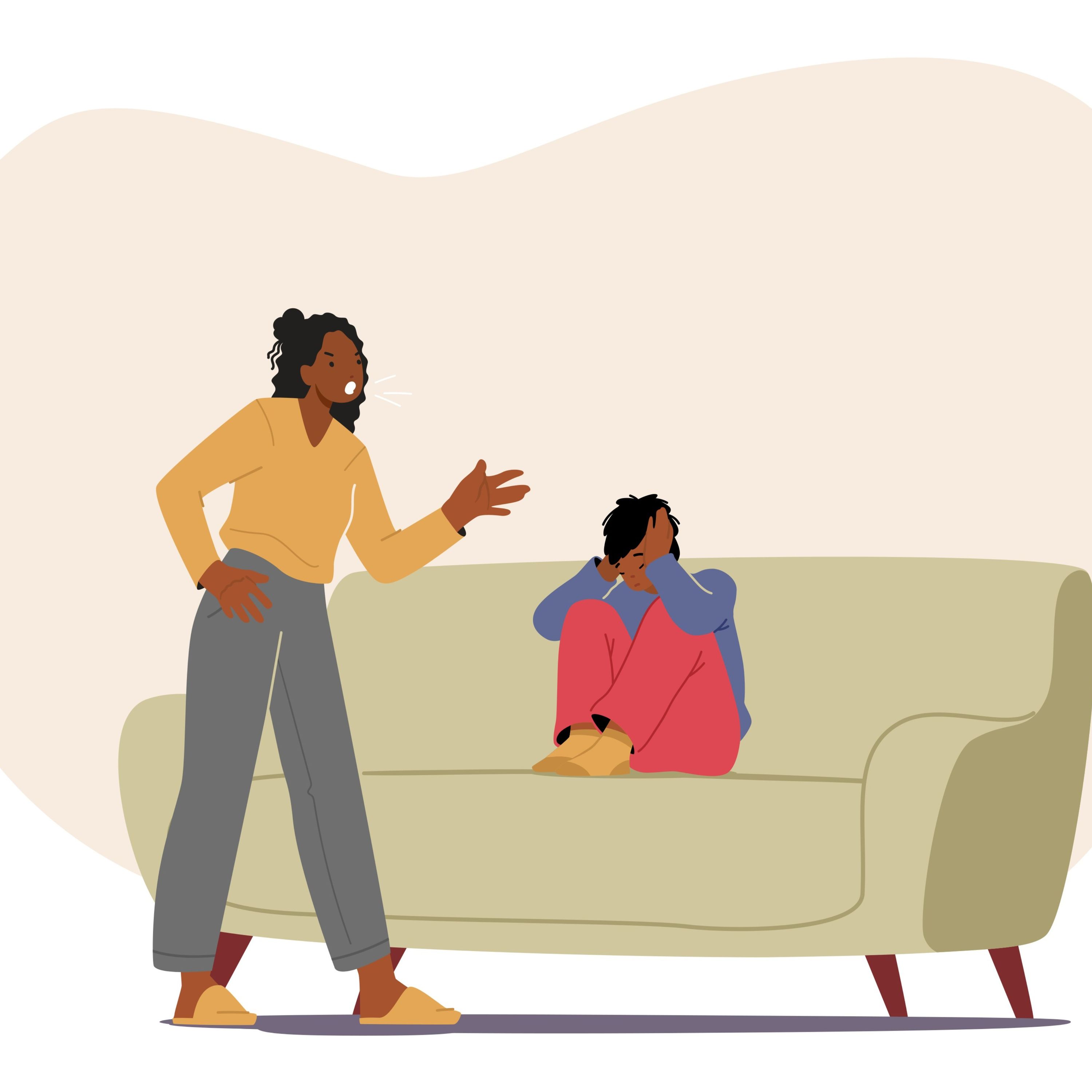
Frame difficult conversations by separating the problematic behavior (e.g., being late) from the person's identity (e.g., being lazy). This 'good person who is struggling with X' approach prevents defensiveness and allows for a productive discussion about the issue.
The brain processes stories and direct facts differently. Stories activate regions associated with empathy and understanding other people's minds, allowing listeners to absorb a critical message or lesson without feeling personally attacked and becoming defensive.