Get your free personalized podcast brief
We scan new podcasts and send you the top 5 insights daily.
A founder's intrapersonal strength, or "agency," can be broken down into three components: resilience (ability to wake up and go), obsession (passion for the problem), and capacity (the requisite knowledge to solve it). A deficit in any one of these is a major red flag for investors.

Related Insights
Brian Halligan, Sequoia's in-house CEO coach, uses a five-part framework called 'LOCKS' to assess founders: Lovable (can inspire a team), Obsessed (deep founder-market fit), Chip on the shoulder (driven by something to prove), Knowledgeable (domain expert), and Student (a constant learner).

A founder's deep, intrinsic passion for their company's mission is critical for long-term success. Even with a sound business model, a lack of genuine care leads to burnout and failure when challenges arise. Leaders cannot sustain success in areas they consider a distraction from their "real" passion, like AGI research versus product monetization.

Reflecting on his career, Jerry Murdock found that the founders he personally "liked" most often lacked the necessary drive to succeed. The biggest wins came from "sharp-edged," obsessive, and even socially challenging individuals, suggesting that investor discomfort can be a positive signal for founder potential.

Many founders start companies simply because they want the title, not because they are obsessed with a mission. This is a critical mistake, as only a deep, personal passion for a problem can sustain a founder through the inevitable hardships of building a startup.
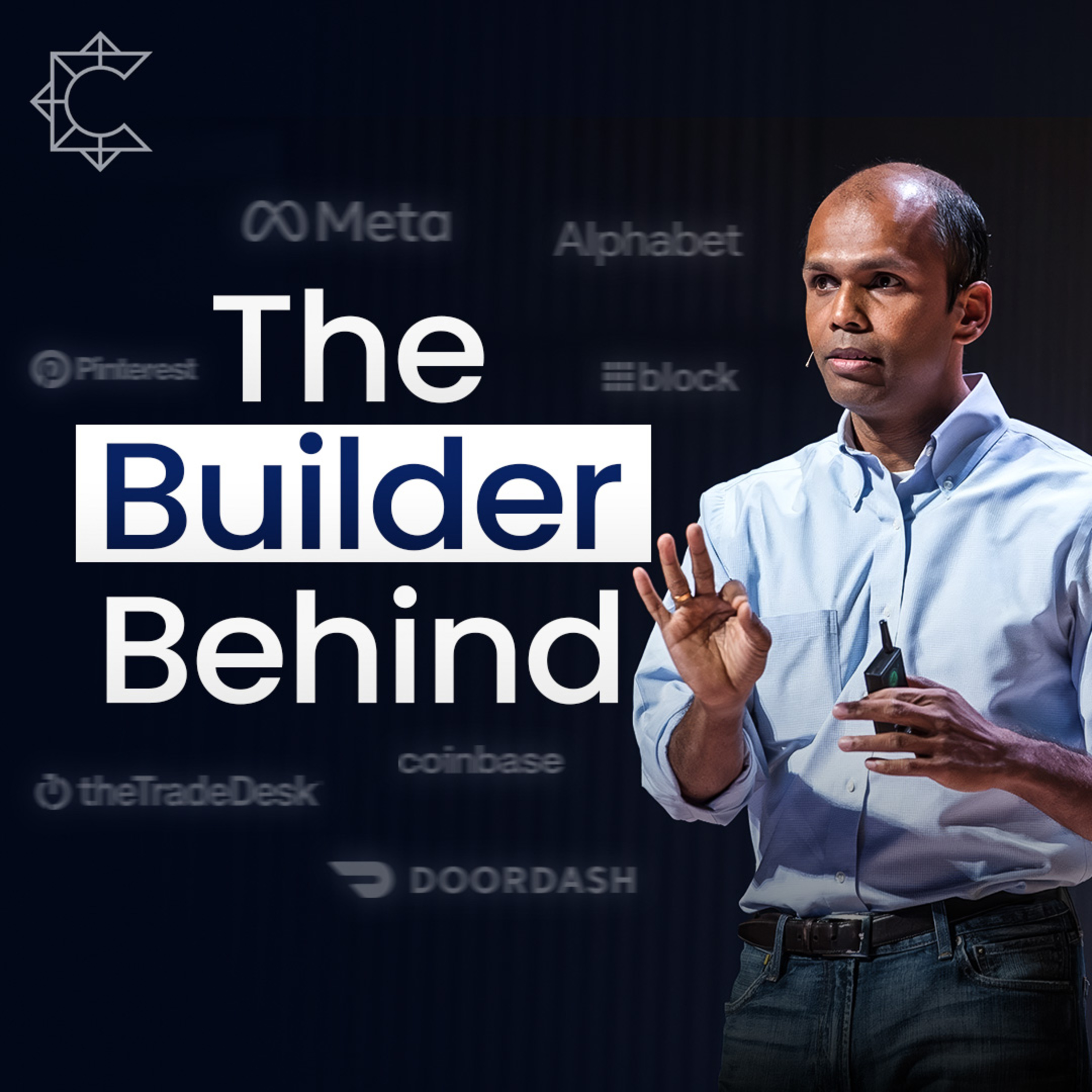
Investor Mark Rampolla argues that a brand's potential is capped by its leader's personal development. His firm seeks self-aware founders committed to "inner work," believing this psychological resilience is a key predictor of building a billion-dollar company.

Beyond table stakes like hunger and vision, the most successful founders exhibit deep empathy ("people gene"), curiosity, and high emotional intelligence. They are secure, know their weaknesses, and often have a background in team sports, understanding that company building is a team effort.

Investor Jason Calacanis outlines his key evaluation criteria for founders. The most lethal combination includes the ability to ship product quickly, an eye for elite design, and a deep, personal obsession with their mission. He notes that skills like marketing can be learned, but these core traits are essential.
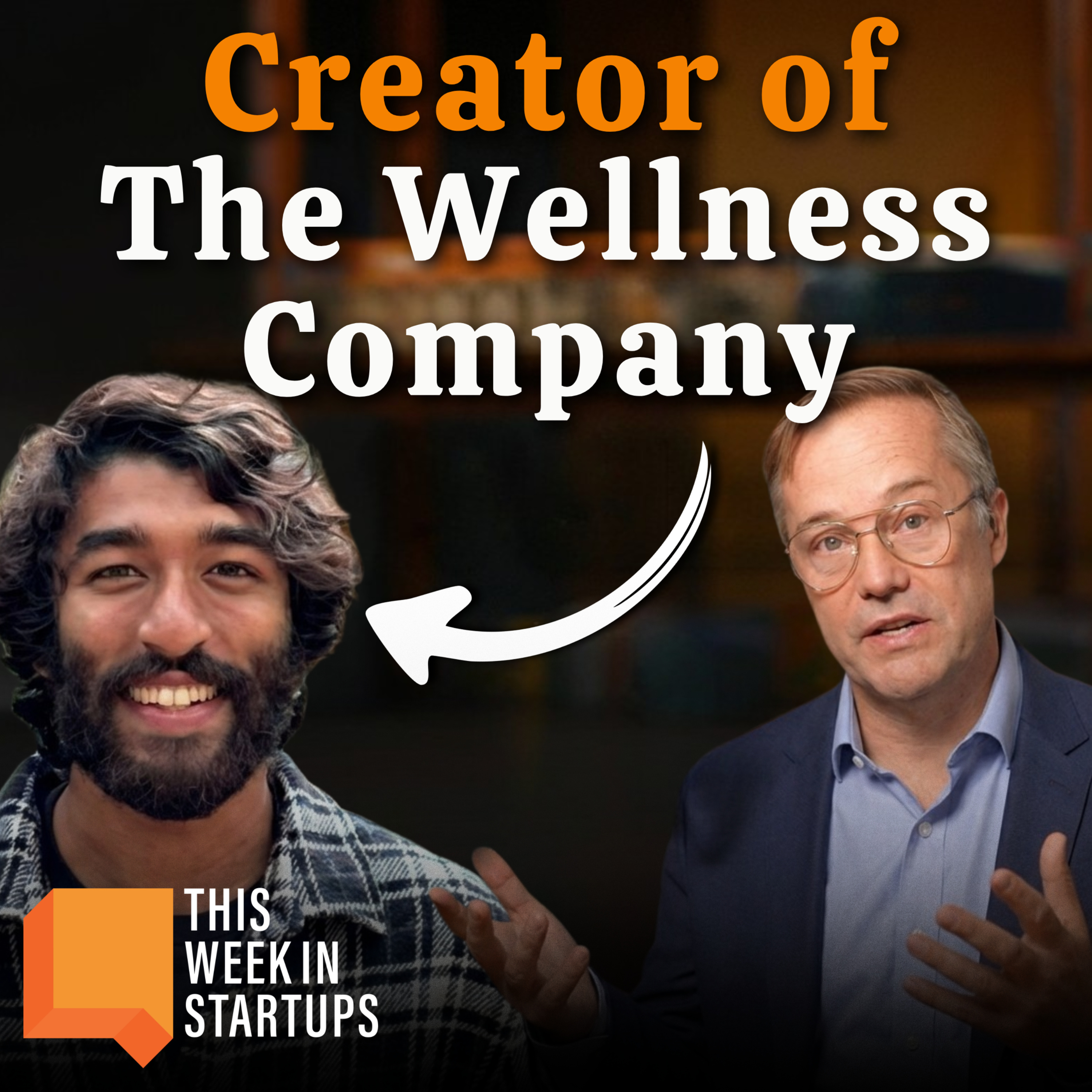
HubSpot founder and Sequoia partner Brian Halligan uses his 'FLOC' framework to assess founders. He looks for First-principled thinking, being Lovable enough to attract A-players, deep Obsession with the problem, and having a Chip on their shoulder, which he finds more compelling than a privileged background.

When investing in other startups, James Watt weighs the founder's mentality as 80% of the decision. He looks for resilience and how they perform when their back is against the wall, believing this tenacity is the ultimate determinant of a business's success or failure.

The most driven entrepreneurs are often fueled by foundational traumas. Understanding a founder's past struggles—losing family wealth or social slights—provides deep insight into their intensity, work ethic, and resilience. It's a powerful, empathetic tool for diligence beyond the balance sheet.
![Martín Escobari - Inside General Atlantic - [Invest Like the Best, EP.449] thumbnail](https://megaphone.imgix.net/podcasts/90e6e3e6-c984-11f0-ae5f-27bb851bdc56/image/608fac468f77cb3014e96336896d96de.jpg?ixlib=rails-4.3.1&max-w=3000&max-h=3000&fit=crop&auto=format,compress)