Get your free personalized podcast brief
We scan new podcasts and send you the top 5 insights daily.
HubSpot founder and Sequoia partner Brian Halligan uses his 'FLOC' framework to assess founders. He looks for First-principled thinking, being Lovable enough to attract A-players, deep Obsession with the problem, and having a Chip on their shoulder, which he finds more compelling than a privileged background.

Related Insights
HubSpot co-founder Brian Halligan observes a new archetype of tech leader: the "five-tool CEO." Like a rare multi-talented baseball player, they possess elite skills in five key areas: vision, coding, design, recruiting, and sales. Founders like Rippling's Parker Conrad exemplify this new, formidable breed of entrepreneur.

At HubSpot, Elias Torres built an exceptional team, hiring future founders of companies like Klaviyo. His strategy was to ignore credentials and instead screen for hunger, grit, and intelligence through conversation. He believes giving people with non-traditional backgrounds a shot is key to finding outliers.

Many founders start companies simply because they want the title, not because they are obsessed with a mission. This is a critical mistake, as only a deep, personal passion for a problem can sustain a founder through the inevitable hardships of building a startup.
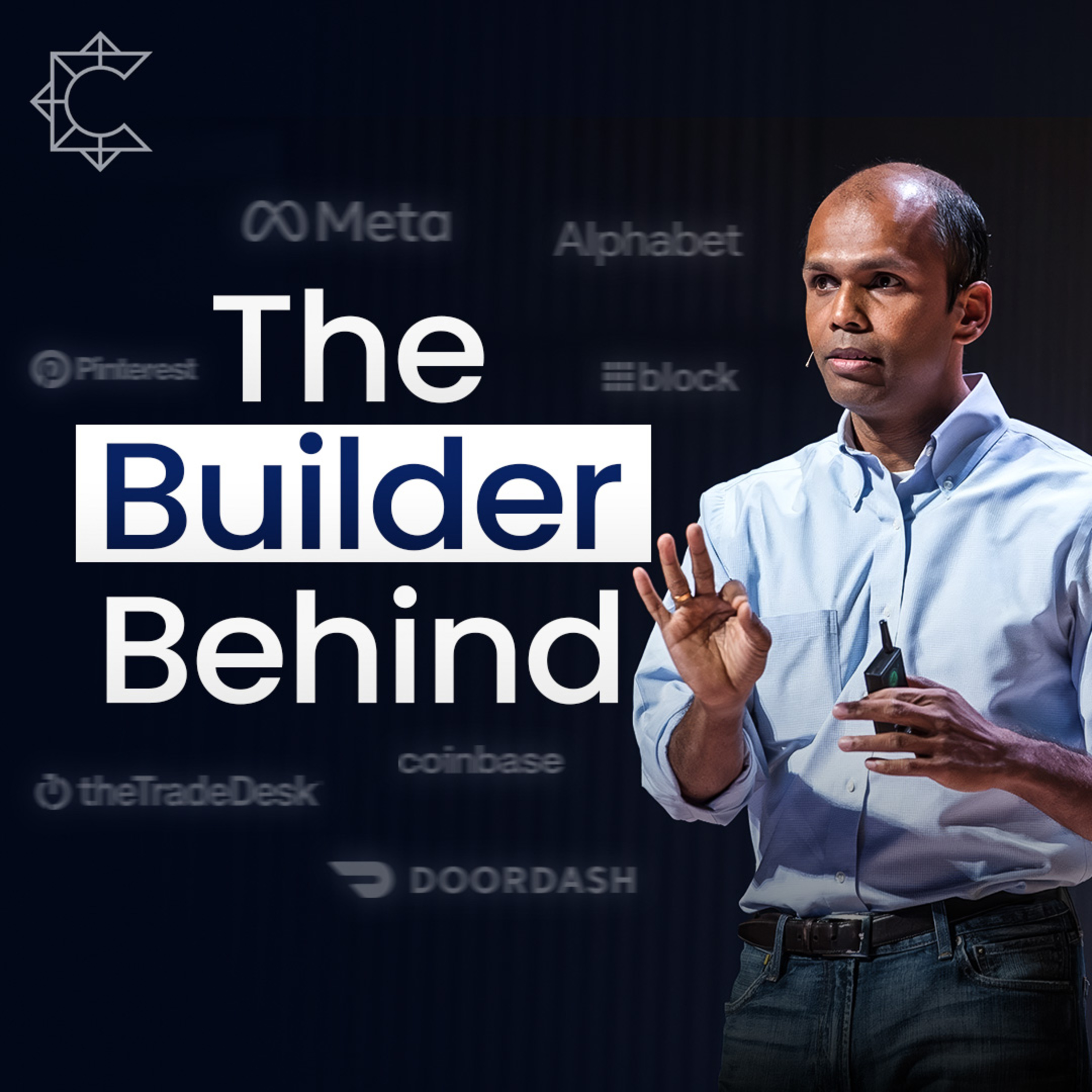
Instead of optimizing for a quick win, founders should be "greedy" and select a problem so compelling they can envision working on it for 10-20 years. This long-term alignment is critical for avoiding the burnout and cynicism that comes from building a business you're not passionate about. The problem itself must be the primary source of motivation.

VCs with operational backgrounds value execution over credentials. They screen for founders who show an instinct to act and build immediately, such as launching a splash page to test demand, before raising capital. This "dirt under the fingernails" is a stronger signal than pedigree.

To gauge a founder's drive and potential for greatness, ask if they have ever been in the top 1% of any field, even an esoteric one. This unconventional question serves as a powerful proxy for ambition and the willingness to push through challenges, regardless of their professional background.
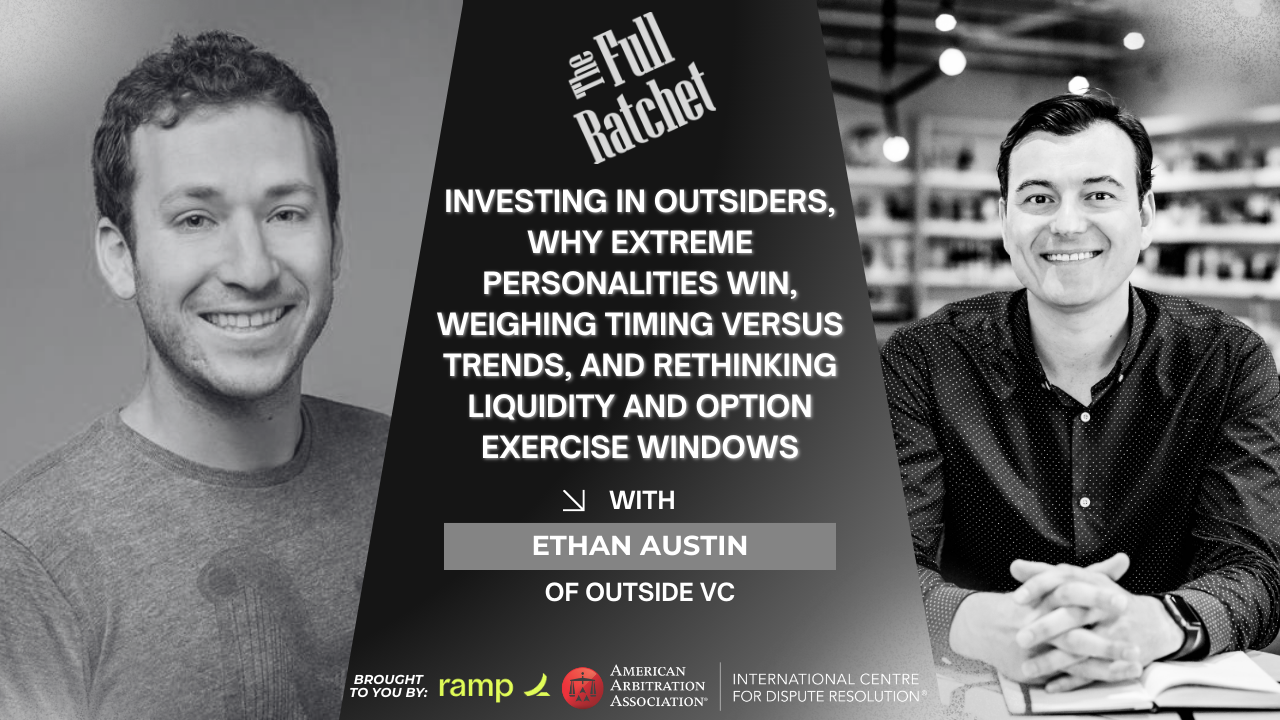
Rather than imposing processes after investing, VCs can use frameworks like the "sales sprint" as a pre-investment litmus test. Sharing the approach and observing the founder's reaction reveals their mindset. A founder who is eager to adopt a disciplined, customer-centric process is a stronger bet than one who must be forced into it.

Brian Halligan, HubSpot co-founder, reveals that he, his co-founder, and most other elite entrepreneurs he knows share a common trait: a persistent imposter syndrome and negative inner monologue. This paranoia, rather than overt confidence, is a powerful motivator for success at the highest levels.
The most driven entrepreneurs are often fueled by foundational traumas. Understanding a founder's past struggles—losing family wealth or social slights—provides deep insight into their intensity, work ethic, and resilience. It's a powerful, empathetic tool for diligence beyond the balance sheet.
![Martín Escobari - Inside General Atlantic - [Invest Like the Best, EP.449] thumbnail](https://megaphone.imgix.net/podcasts/90e6e3e6-c984-11f0-ae5f-27bb851bdc56/image/608fac468f77cb3014e96336896d96de.jpg?ixlib=rails-4.3.1&max-w=3000&max-h=3000&fit=crop&auto=format,compress)
Founder-market fit isn't about resume alignment; it's about a relentless obsession. The litmus test: could you talk about your company's mission for an hour at Thanksgiving without getting tired? This deep passion is a prerequisite for building in public, recruiting top talent, and winning in a crowded market.
