Get your free personalized podcast brief
We scan new podcasts and send you the top 5 insights daily.
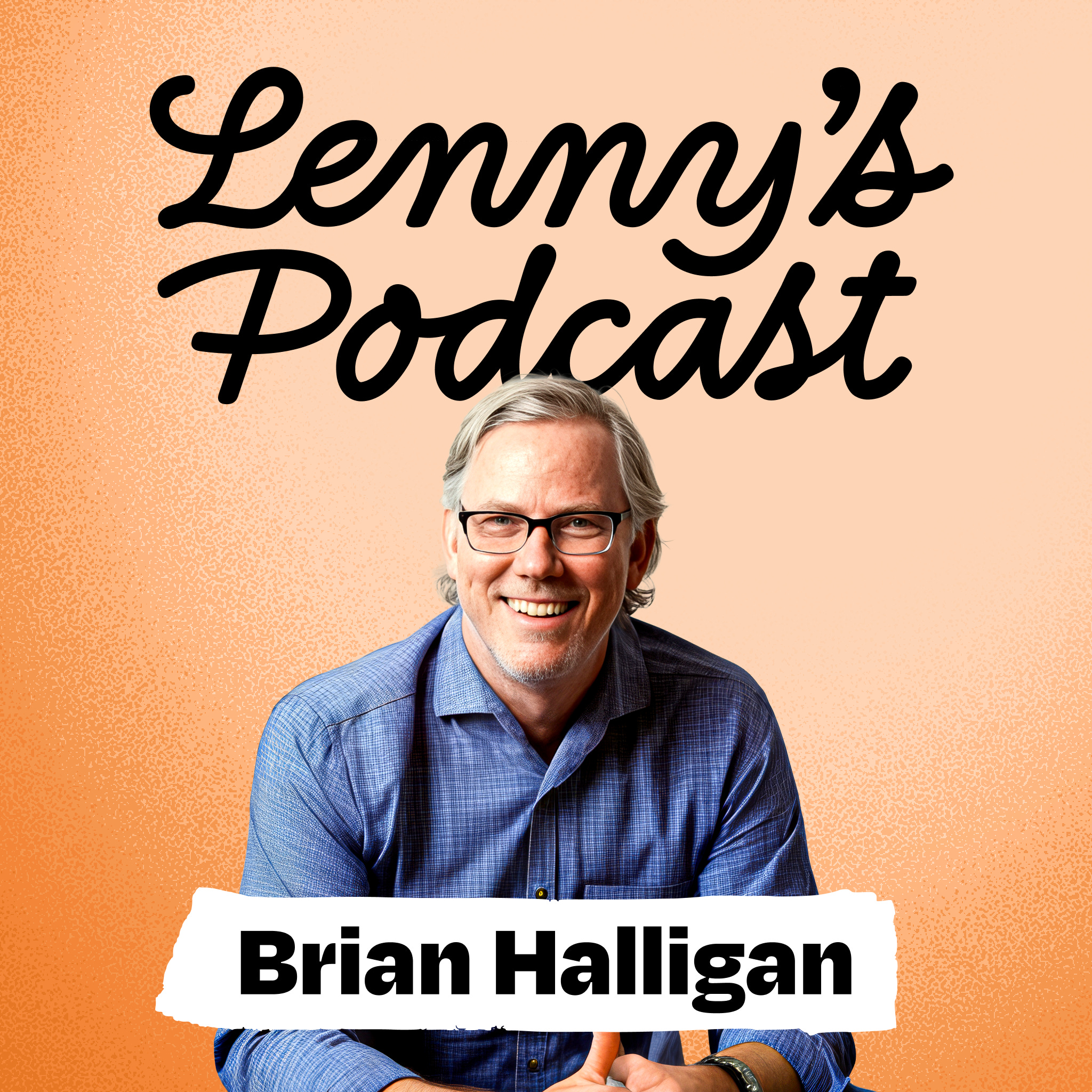
Brian Halligan, Sequoia's in-house CEO coach, uses a five-part framework called 'LOCKS' to assess founders: Lovable (can inspire a team), Obsessed (deep founder-market fit), Chip on the shoulder (driven by something to prove), Knowledgeable (domain expert), and Student (a constant learner).
Related Insights
HubSpot co-founder Brian Halligan observes a new archetype of tech leader: the "five-tool CEO." Like a rare multi-talented baseball player, they possess elite skills in five key areas: vision, coding, design, recruiting, and sales. Founders like Rippling's Parker Conrad exemplify this new, formidable breed of entrepreneur.

Investors should view a founder's desire to learn skills like etiquette not as a weakness, but as a strong positive signal. It demonstrates humility, introspection, and a drive for self-improvement—key traits for a coachable and successful leader. The capacity for growth can be more valuable than pre-existing polish, identifying them as better long-term partners.

Investor Mark Rampolla argues that a brand's potential is capped by its leader's personal development. His firm seeks self-aware founders committed to "inner work," believing this psychological resilience is a key predictor of building a billion-dollar company.

While legendary founders have vastly different personalities, they consistently share two qualities: they are true original thinkers who don't simply 'read the room,' and they have enough personal charisma or are compelling enough to make people want to follow them.
To gauge a founder's drive and potential for greatness, ask if they have ever been in the top 1% of any field, even an esoteric one. This unconventional question serves as a powerful proxy for ambition and the willingness to push through challenges, regardless of their professional background.
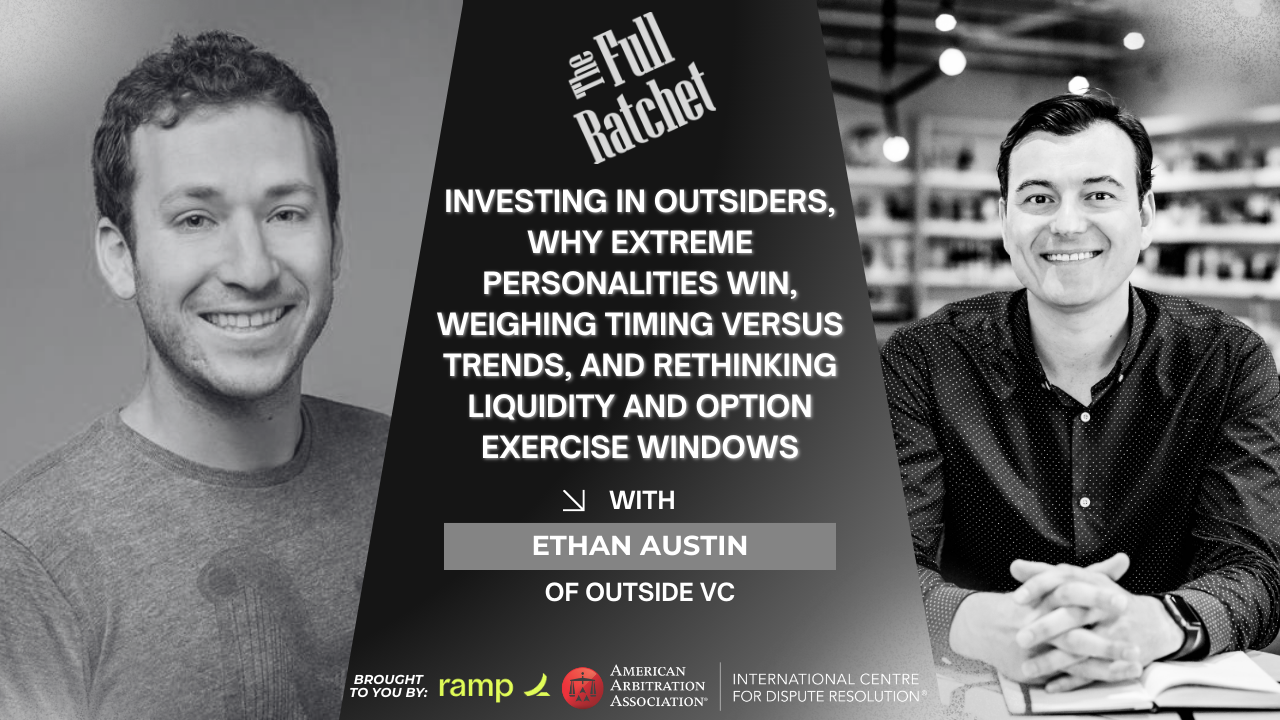
Beyond table stakes like hunger and vision, the most successful founders exhibit deep empathy ("people gene"), curiosity, and high emotional intelligence. They are secure, know their weaknesses, and often have a background in team sports, understanding that company building is a team effort.

Brian Halligan identifies a new founder profile he calls the 'five-tool CEO.' This individual single-handedly masters coding, product taste, sales, fundraising, and recruiting. This 'superhero' archetype contrasts with the classic model of a technical founder paired with a separate business-focused co-founder.

Investor Jason Calacanis outlines his key evaluation criteria for founders. The most lethal combination includes the ability to ship product quickly, an eye for elite design, and a deep, personal obsession with their mission. He notes that skills like marketing can be learned, but these core traits are essential.
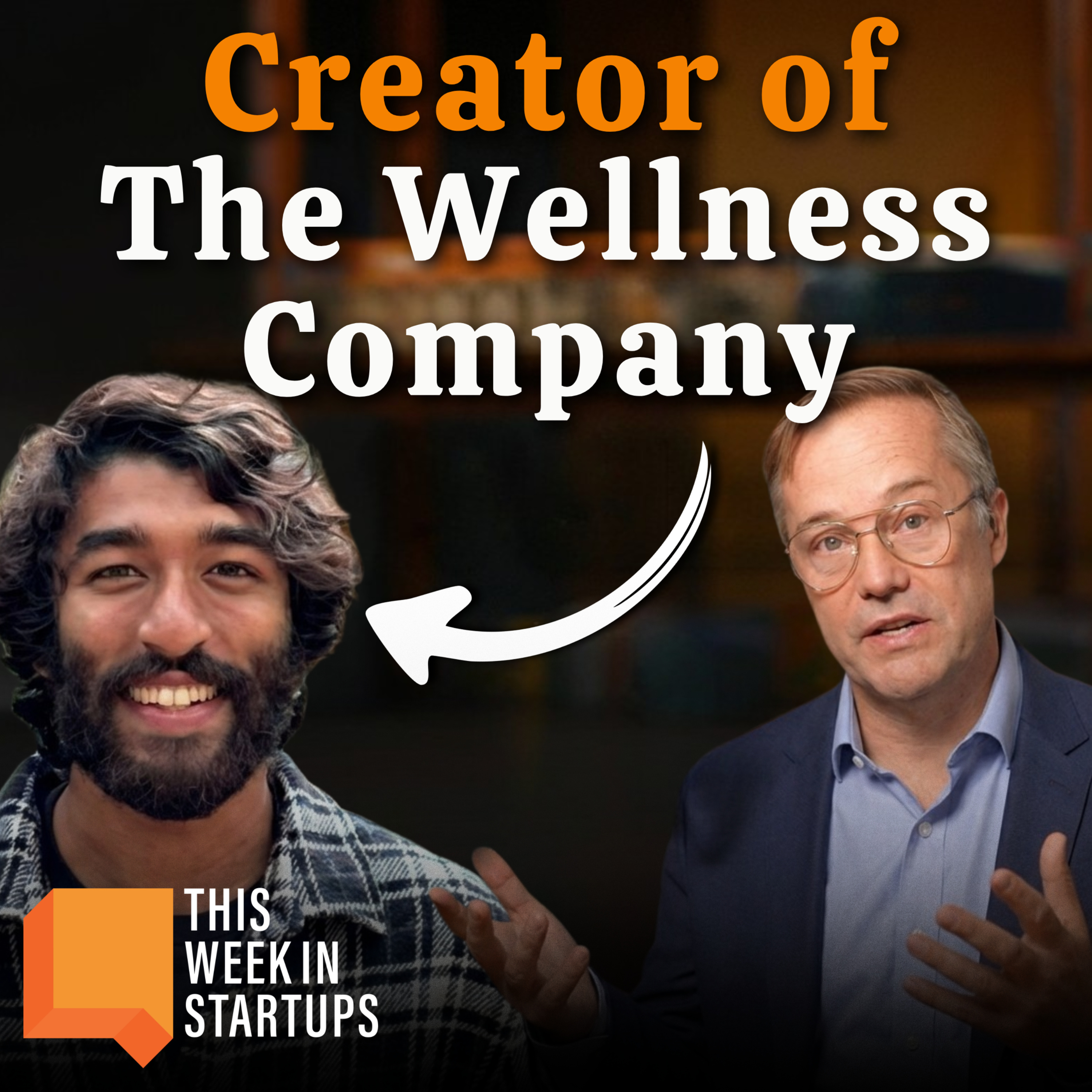
HubSpot founder and Sequoia partner Brian Halligan uses his 'FLOC' framework to assess founders. He looks for First-principled thinking, being Lovable enough to attract A-players, deep Obsession with the problem, and having a Chip on their shoulder, which he finds more compelling than a privileged background.
The most driven entrepreneurs are often fueled by foundational traumas. Understanding a founder's past struggles—losing family wealth or social slights—provides deep insight into their intensity, work ethic, and resilience. It's a powerful, empathetic tool for diligence beyond the balance sheet.
![Martín Escobari - Inside General Atlantic - [Invest Like the Best, EP.449] thumbnail](https://megaphone.imgix.net/podcasts/90e6e3e6-c984-11f0-ae5f-27bb851bdc56/image/608fac468f77cb3014e96336896d96de.jpg?ixlib=rails-4.3.1&max-w=3000&max-h=3000&fit=crop&auto=format,compress)