Get your free personalized podcast brief
We scan new podcasts and send you the top 5 insights daily.
When designing and pricing its early running shoes, On Running drew product inspiration from Dyson vacuum cleaners rather than rival footwear brands. By studying how sleek, visibly engineered appliances convince consumers to pay five times standard market rates, the brand applied those same industrial aesthetic cues to shoes, establishing consumer willingness to pay luxury price points for athletic footwear.

Related Insights
Instead of competing on price, heritage brand Levi's drove an 8% sales jump by introducing its most expensive jeans ever—a premium Japanese denim line priced over $300. This successful premiumization strategy shows that even mass-market brands can fuel growth by targeting affluent consumers willing to pay more for perceived quality and exclusivity.
Avoid the middle ground. On Running learned that designing for a "hybrid" persona who moves from the gym to a cafe leads to compromises. It's better to create a best-in-class performance product that people choose to wear for style, rather than a watered-down product that serves neither purpose well.

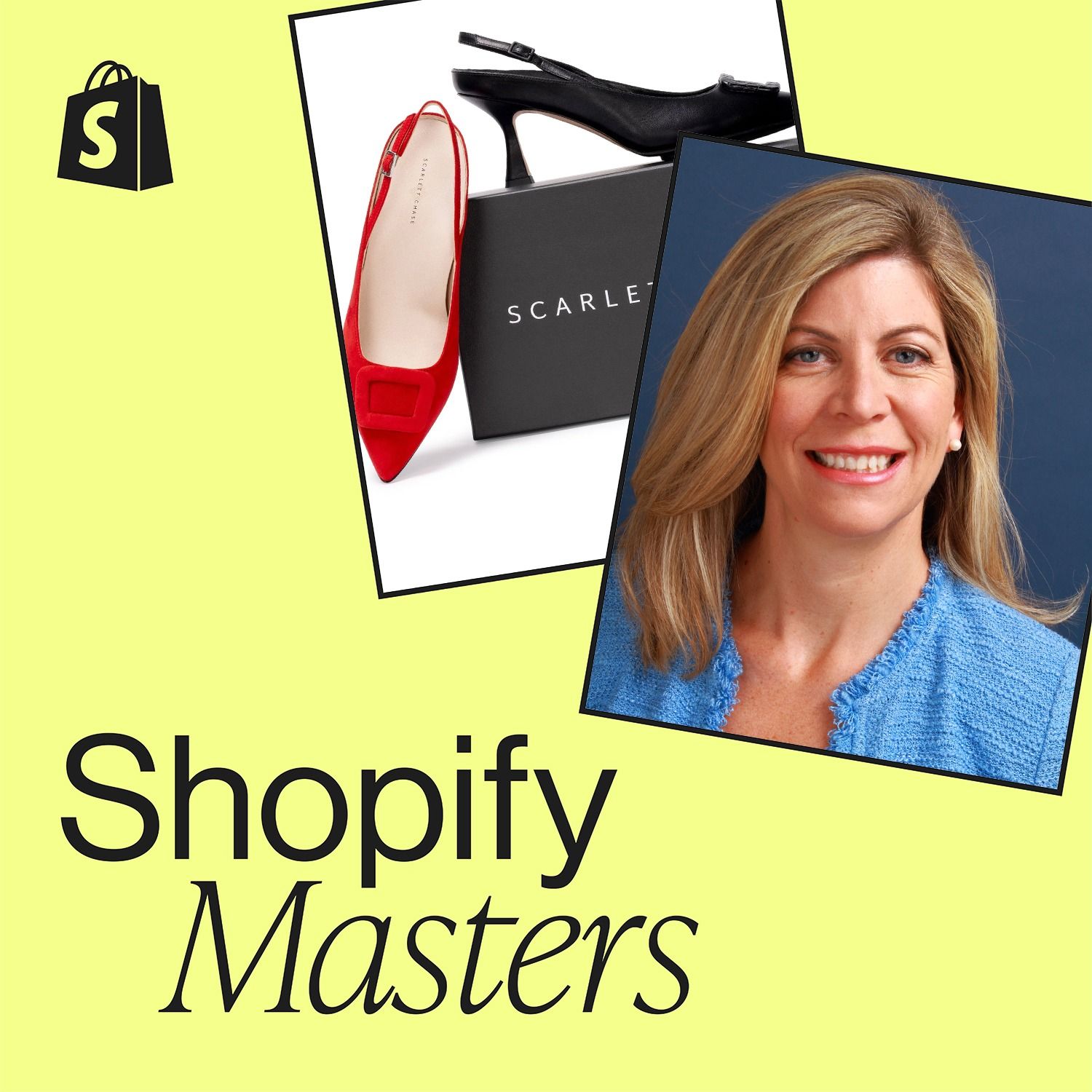
The founder reconciles the high price of her luxury shoes by positioning them as a solution that removes a major distraction for successful women. By eliminating foot pain, the shoes allow these high-impact individuals to focus their energy on more important work, making the product an investment in their overall effectiveness.
Consumers determine a fair price relatively, not absolutely, by comparing a product to others in its category. By launching in a tall, thin 250ml can instead of a standard 330ml can, Red Bull prevented a direct price comparison with cheaper sodas like Coke. This change in the 'mental comparison set' allowed it to establish a new, premium price point.

On strategically positions itself as a premium brand by investing heavily in innovation to justify its price, aiming to give everyone a better experience. This is contrasted with luxury brands that create value through exclusivity and limiting access.

Associating a brand with extreme frontiers like space (Prada/NASA) or the arctic (Canada Goose) creates a powerful halo effect. Consumers perceive products proven in harsh conditions as inherently high-quality and worth a premium price, even for everyday use, effectively justifying a higher price point.
Product inspiration can come from unexpected places. On Running's CPO points to the perfume industry's ability to sell an intangible feeling through packaging and branding as a key lesson in creating an emotional connection with consumers, even for highly functional products like running shoes.
The polo shirt has become a commodity. By selling a new line only through room service at a trendy hotel, Lacoste associates its product with luxury and indulgence. This reframes the item, retraining customers to accept a premium price point.
Consumers determine value by comparing a product to similar items. Red Bull used a tall, thin, smaller can to differentiate itself from standard, cheaper sodas. By changing the "comparison set," they broke the expected price anchor and successfully commanded a much higher price point.

A brand can make a generic product unique, commanding higher prices and loyalty. Products may come off the same manufacturing line as a generic store brand, but the brand itself allows for a price premium, higher conversion, and increased stickiness, effectively creating a moat where one didn't exist.
