Get your free personalized podcast brief
We scan new podcasts and send you the top 5 insights daily.
Avoid the middle ground. On Running learned that designing for a "hybrid" persona who moves from the gym to a cafe leads to compromises. It's better to create a best-in-class performance product that people choose to wear for style, rather than a watered-down product that serves neither purpose well.

Related Insights
Companies develop generic, ineffective messaging when trying to appeal to everyone, including hypothetical future personas. Real differentiation is a strategic choice to narrow your focus and clearly define who your product is *not* for.

Numi's undershirts are used by nurses, flight attendants, and menopausal women, but their marketing focuses narrowly on the "professional woman." This avoids diluting the message. Trying to speak to everyone results in speaking to no one; a narrow focus creates a stronger brand identity and more effective campaigns.
Control the product, not the message. On Running's CPO suggests brands can learn from high fashion's runway model: release a product and let the "jury" of critics and consumers create the narrative. This unfiltered approach builds more authenticity than a carefully crafted press release, even if the feedback isn't always positive.
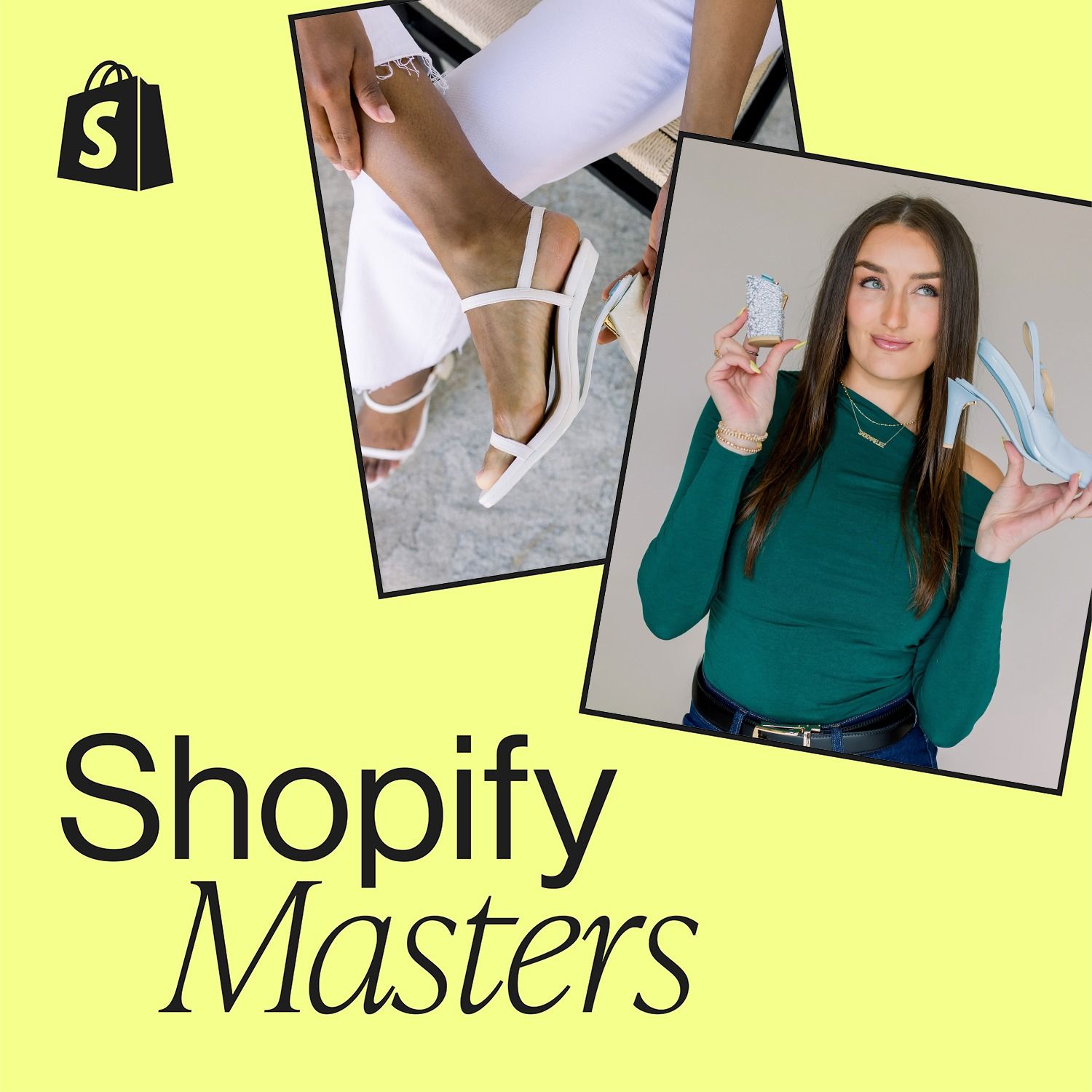
The founder understood that women wear heels for the look, despite the pain. Any comfort-focused innovation that compromised on aesthetics would fail. The product had to be a "perfect dupe" for a traditional heel to solve the actual problem, not just create a "weird looking shoe."
Gymshark's CMO explains their strategy is to be hyper-focused on their core gym audience, even if it alienates others. Quoting an article, he says the world needs more brands "willing to have enemies." This mindset prevents brand dilution and strengthens their identity by not trying to be everything to everyone.

Product inspiration can come from unexpected places. On Running's CPO points to the perfume industry's ability to sell an intangible feeling through packaging and branding as a key lesson in creating an emotional connection with consumers, even for highly functional products like running shoes.
A "perfect" product can be a sterile one. On Running reflects that a collaboration might have been more successful if it was less complete, suggesting that leaving something for the consumer to finish—like adding a second pair of laces—creates ownership. This small act of co-creation fosters a stronger emotional bond.
Contrary to popular belief, simple isn't always better. On Running's CPO argues that overly simple products give consumers fewer opportunities to explore, learn, and feel like an expert. A degree of complexity allows users to "give it its own life," which can be a more powerful driver of adoption than a streamlined experience.
Gymshark's key product differentiator wasn't just performance, but aesthetics. They obsessed over creating 'physique accentuating' fits that made customers look and feel better. This tapped into the core emotional motivation of their gym-going audience, creating a stronger brand connection than purely functional apparel.

Instead of just creating an 'athleisure' line because it's popular, Hanes identified specific problems—like chafing—that consumers experience during movement. They then designed products with features like anti-chafe panels, directly linking innovation to their core brand promise of comfort.
